


The best Deseret Bookshelf alternatives are Audible, Libby, Kindle, and Everand because they cover the main needs most readers have: audiobooks, ebooks, syncing, offline access, and fair pricing. Deseret Bookshelf is still a strong fit for Latter-day Saint books, talks, and study material, and its app description clearly centers on ebooks and audiobooks from Deseret Book [source: Google Play]. But if you want a wider catalog, better library access, or more flexible subscriptions, these four apps are the safest places to start.
TLDR: Choose Audible if audiobooks are your main habit, Libby if you want free library borrowing, Kindle if you read more than you listen, and Everand if you want a broad subscription. For example, a reader who finishes two books a month could use Libby for $0 when the library owns both titles, then keep Audible for new releases with long hold times. If 70% of your reading is spiritual or LDS-focused, keep Deseret Bookshelf and add one of these apps rather than replacing it fully.
1. Audible: Best for serious audiobook listeners
Audible is the strongest choice if you care most about audiobooks. Its catalog is huge, the playback tools are polished, and downloads are easy. Speed controls, sleep timers, bookmarks, and car support all work as expected. That sounds basic, but some reading apps still make simple listening feel oddly clumsy.
Best for: commuters, walkers, road trippers, and anyone who listens daily.
- Strength: Very large audiobook catalog, including many new releases.
- Helpful feature: You can keep purchased titles even if you stop the membership.
- Weak spot: It is not built for ebook reading in the same way Kindle is.
The catch is that Audible can get expensive if you burn through books quickly. It works best when you want specific audiobooks and do not want to wait. If you listen to one or two premium titles per month, it feels fair. If you want five or six, the cost starts to sting.
2. Libby: Best free option through your public library
Libby, from OverDrive, is the best low-cost alternative to Deseret Bookshelf for general reading and listening. You connect a library card, borrow ebooks or audiobooks, and read or listen inside the app. Many users can also send eligible ebooks to Kindle, which is a nice bonus.
Best for: budget readers, families, students, and casual audiobook fans.
- Strength: Free access through participating libraries.
- Helpful feature: Holds, loans, tags, and wish lists are simple to manage.
- Weak spot: Popular books may have long wait lists.
Honestly, it feels like the best app until you hit a six-week hold on the exact book you wanted for a trip tomorrow. That is the tradeoff. Libby is great for patient readers, not ideal for urgent reading plans.
3. Kindle: Best for digital reading with audiobook support
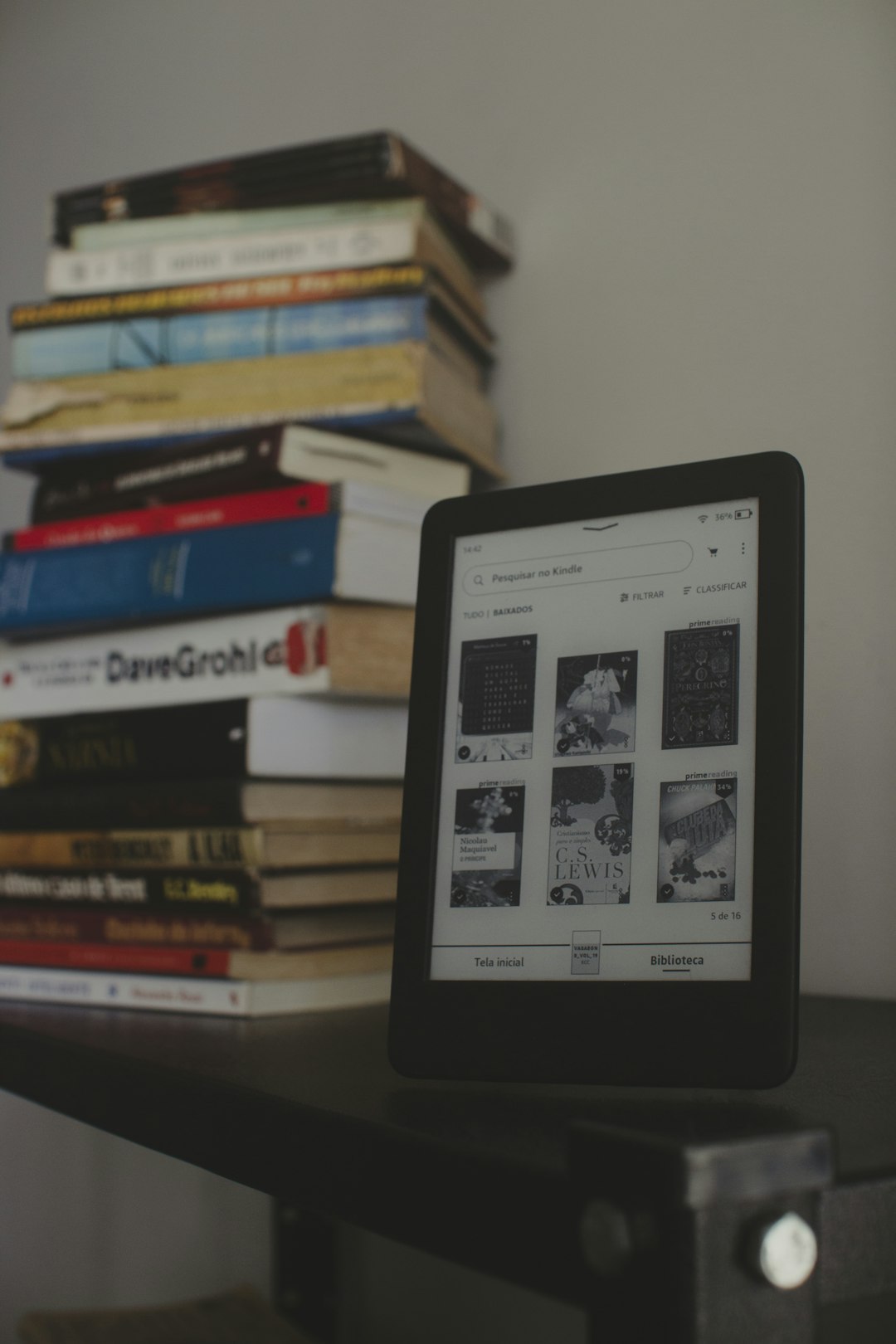
Kindle is the best pick if you mostly read ebooks and only sometimes switch to audio. The app is clean, stable, and available on phones, tablets, web browsers, and Kindle devices. Highlighting, notes, dictionary lookup, and syncing all feel mature.
Best for: ebook-first readers who want a serious digital library.
- Strength: Excellent reading tools and cross-device syncing.
- Helpful feature: Many titles support switching between Kindle ebooks and Audible narration.
- Weak spot: Audiobook access depends on the title and purchase options.
Kindle is not a direct copy of Deseret Bookshelf. It does not focus on LDS publishers or church-related study. Still, for novels, business books, biographies, study guides, and personal growth titles, it is hard to beat. It is also better for people who highlight heavily or return to notes later.
4. Everand: Best all-in-one subscription for variety
Everand is a strong fit if you want ebooks, audiobooks, magazines, and documents under one subscription. It feels more open-ended than Audible and more immediate than Libby. You do not buy one title at a time. You browse, save, and consume what is available in the plan.
Best for: curious readers who jump between genres.
- Strength: Broad mix of ebooks and audiobooks in one place.
- Helpful feature: Good for sampling many books without buying each one.
- Weak spot: Availability can change, and some titles may be limited.
It drives me crazy that subscription catalogs can feel open one day and restricted the next. Still, Everand makes sense for readers who do not need to own every book. It is especially useful for nonfiction, self-improvement, essays, and lighter listening.
How to choose the right app
Start with your main habit. Do not pick the app with the longest feature list. Pick the one that matches how you actually read.
- Pick Audible if you want the best audiobook experience and new releases matter.
- Pick Libby if cost matters most and you own a library card.
- Pick Kindle if reading text is your main use and notes matter.
- Pick Everand if you want variety without buying each title.
If you enjoy Deseret Bookshelf for faith-centered content, keep it. None of these apps fully replaces that niche. A sensible setup is simple: use Deseret Bookshelf for LDS titles, Libby for free loans, and Audible or Kindle for books you want to own. That mix gives you better coverage without forcing one app to do everything.