



An e-market works best when buying feels easy, safe, and a little bit fun. That is the main idea. An e-market is any online place where people find, compare, buy, sell, review, or trade products and services. It can be a giant shopping site, a tiny online store, a food app, a ticket portal, or a digital course platform.
What Is an E-Market?
An e-market is a digital space for trade. Simple as that. People want something. Sellers offer it. The platform helps both sides meet.
Think of it like a mall, but your sofa is the parking lot. You can browse shoes, book a plumber, order lunch, buy software, or download music. All from a screen.
The core parts are easy to spot:
- Products or services: The thing being sold.
- Buyers: People or businesses with a need.
- Sellers: Brands, creators, shops, or service providers.
- Platform: The website, app, or marketplace that hosts the deal.
- Payment system: The tool that moves money safely.
- Trust signals: Reviews, ratings, refunds, badges, and support.
Trust is the secret sauce. No trust, no sale. People need to feel safe before they hand over money. A clear return policy often helps more than a fancy slogan.

The Main Digital Commerce Models
Digital commerce is not one single thing. It has several models. Each model has its own rules, habits, and weird little problems.
1. B2C: Business to Consumer
This is the classic online store model. A business sells to regular shoppers. Clothes, gadgets, books, pet food, and skincare all fit here.
The buyer wants speed. They also want nice photos. They want proof. They want delivery that does not feel like a mystery quest.
2. B2B: Business to Business
Here, one business sells to another. This can include office software, factory parts, bulk coffee, or cloud storage.
B2B buyers take longer. They compare prices. They may need approval from a manager. They may ask for a demo. Expect more emails. Sorry.
3. C2C: Consumer to Consumer
This happens when people sell to other people. Think used furniture, old game consoles, handmade items, or secondhand clothes.
The platform must protect both sides. Scams are annoying. Bad listings are worse. A blurry photo of “chair, good condition” is not a business plan.
4. C2B: Consumer to Business
This model flips the usual flow. A person sells value to a company. Freelancers, influencers, photographers, and reviewers can fit here.
For example, a travel creator may sell photos to a hotel. A designer may sell a logo concept to a shop.
5. Subscription Commerce
This model charges on a schedule. Monthly coffee. Streaming. Meal kits. Software. Fitness apps.
It is great for repeat income. But people cancel fast if value drops. Honestly, it feels like some apps hide the cancel button in a basement guarded by a dragon. That does not build loyalty.
6. Marketplace Model
A marketplace hosts many sellers in one place. The platform may not own the goods. It earns fees, ads, or commissions.
This model grows fast when trust is strong. Reviews matter. Seller rules matter. Search quality matters a lot.
The Online Customer Journey
The customer journey is the path from “I might need this” to “I bought it” and, if you are lucky, “I told my friends.”
Most journeys follow five simple stages.
- Awareness: The customer sees a need or discovers a product.
- Interest: They click, search, watch, or read.
- Consideration: They compare options and reviews.
- Purchase: They choose, pay, and wait.
- Loyalty: They return, review, or refer others.
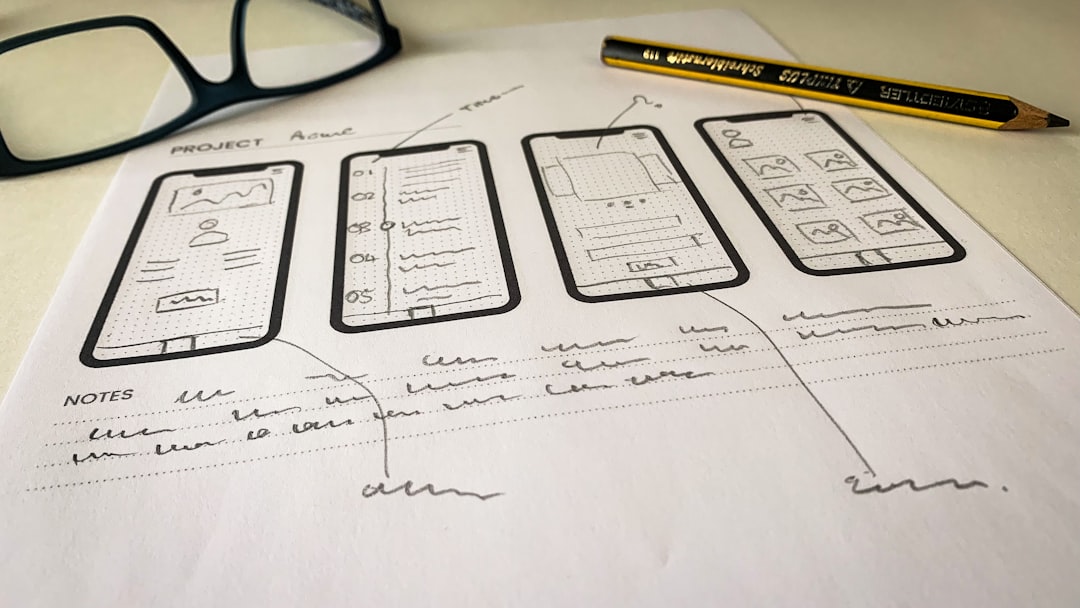
Each step has friction. Friction is anything that slows people down. Slow pages. Confusing menus. Surprise shipping fees. Tiny buttons. Account creation before checkout. Ugh.
It drives me crazy when a payment form asks for the same address twice. That tiny mess can add 12 seconds and lose a buyer. People are not always patient. Their dog may be barking. Their lunch may be burning. Their browser may already have 47 tabs open.
What Customers Want Online
Online customers are not mysterious aliens. They want basic things done well.
- Clear prices: No sneaky fees at the end.
- Fast pages: Waiting feels broken.
- Good photos: Show size, color, and use.
- Real reviews: Not five stars from “User123.”
- Easy checkout: Fewer fields. More payment options.
- Helpful support: Chat, email, or clear FAQs.
- Simple returns: People buy faster when returns feel fair.
A strong e-market reduces doubt. It answers questions before buyers ask them. It also uses plain words. Nobody wants to decode a product page like an ancient scroll.
Modern Marketing Strategies That Work
Marketing in an e-market is not just shouting “Buy now!” into the void. It is about timing, value, and relevance.
Search Marketing
People search when they want answers. That makes search traffic powerful. Use clear product names. Write useful descriptions. Add FAQs. Match the words customers use.
If someone searches “waterproof hiking backpack,” do not call your item “adventure vessel pro.” Cute names are fine. Clear names sell better.
Content Marketing
Content builds trust before the sale. Guides, videos, comparisons, recipes, tutorials, and checklists can all help.
A kitchen store can post “How to choose a pan.” A pet brand can share “First week puppy checklist.” A software company can show a real workflow.
Email Marketing
Email still works. It is old, but not dead. Send welcome emails, cart reminders, tips, and offers.
Keep it useful. A inbox stuffed with daily “last chance” deals feels like a raccoon banging trash cans at 2 a.m.
Social Commerce
People discover products on social apps. Short videos show products in action. Live shopping can answer questions fast. Comments can become sales clues.
Social proof helps. So does humor. A real person using the item often beats a perfect studio shot.
Personalization
Personalization means showing people relevant stuff. Not creepy stuff. There is a line.
Good: “You bought running socks. Here are trail shoes.” Bad: “We noticed you paused on blue mugs at 11:43 p.m.” Please chill.
Retargeting
Retargeting reminds visitors about items they viewed. It can recover lost sales. But too much feels stalky.
Set limits. Rotate messages. Offer help, not pressure.
Key Metrics to Watch
You do not need a math degree. You need a few useful numbers.
- Traffic: How many people visit.
- Conversion rate: The percentage who buy.
- Average order value: How much each order is worth.
- Cart abandonment: How many people leave before paying.
- Customer acquisition cost: How much it costs to win one buyer.
- Lifetime value: How much a customer may spend over time.
Here is a simple example. A store gets 10,000 visits a month. Its conversion rate is 2%. That means 200 orders. If the average order is $50, revenue is $10,000. If checkout fixes lift conversion to 2.5%, orders rise to 250. That is $2,500 more from the same traffic.
Common Mistakes in E-Markets
Many online stores lose money in boring ways. The product may be fine. The experience is not.
- Using weak product photos.
- Hiding delivery costs until the last step.
- Making mobile checkout painful.
- Ignoring reviews and support tickets.
- Sending too many generic promos.
- Tracking numbers but not acting on them.
The fix is often simple. Test the site like a tired customer. Use a phone. Try buying one item. Count the clicks. Notice where you sigh. That sigh is data.
The Big Idea
An e-market is not just technology. It is a trust machine. It helps people find the right thing, understand it, buy it, and feel good after.
The best digital commerce model depends on who sells, who buys, and how often they return. The best customer journey removes stress. The best marketing feels helpful, not pushy.
Make things clear. Make checkout short. Show proof. Respect attention. Do that, and your e-market has a much better shot at happy buyers and repeat sales.