



Choose HD for most modern viewing, but keep SD when bandwidth, storage, or older hardware matters more than sharpness. Standard Definition is lighter and easier to move around. High Definition looks cleaner, sharper, and more professional on phones, TVs, laptops, and projectors.
TLDR: SD usually means 480p quality or similar, while HD starts at 720p and often means 1080p. HD can use 3 to 5 times more data than SD, but it also shows more detail, better text, and cleaner motion. For example, a one-hour SD stream may use about 0.7 GB, while a one-hour 1080p HD stream may use around 3 GB. If you are uploading a quick training clip for field staff with weak mobile data, SD may be smarter; for YouTube, product demos, courses, and ads, HD is usually worth it.
What SD and HD Actually Mean
SD stands for Standard Definition. It is the older video format used by DVDs, early digital TV, older security cameras, and many low-bandwidth streams. Common SD resolutions include 640 × 480, 720 × 480, and 720 × 576, depending on the region and format.
HD stands for High Definition. It has more pixels, which means more visible detail. The two most common HD formats are 1280 × 720, often called 720p, and 1920 × 1080, often called Full HD or 1080p.

The simple version is this: SD is smaller and softer. HD is larger and sharper. That difference affects everything from image quality to upload time, streaming cost, editing speed, and storage needs.
Resolution Comparison: Pixels Make the Difference
Resolution is the number of pixels in a video frame. More pixels mean more detail, as long as the original footage is clean. A blurry camera shot will not magically become crisp just because it is exported in HD. That still drives people mad when they upscale old footage and expect miracles.
| Format | Common Resolution | Pixel Count | Typical Use |
|---|---|---|---|
| SD 480p | 640 × 480 or 720 × 480 | About 300,000 to 345,000 pixels | DVDs, low-bandwidth video, older screens |
| HD 720p | 1280 × 720 | About 921,600 pixels | Streaming, webinars, mobile video |
| Full HD 1080p | 1920 × 1080 | About 2 million pixels | YouTube, online courses, business video, TV |
Compared with SD, 720p HD has roughly three times more pixels. Full HD has about six times more pixels. That is why text, faces, fabric, product labels, and screen recordings look much clearer in HD.
Video Quality: Sharpness, Motion, and Viewing Distance
Quality is not only about resolution. It also depends on bitrate, compression, lighting, camera quality, frame rate, and the screen used for playback. Still, resolution plays a huge role.
- SD video looks acceptable on small screens, older TVs, or when viewed from far away.
- HD video looks cleaner on modern phones, laptops, tablets, and large TVs.
- 1080p Full HD is better for text-heavy content, product shots, tutorials, and presentations.
- SD can hide some flaws, but it also loses fine detail fast.
The catch is that poor HD can still look bad. If the bitrate is too low, HD video may show blocking, banding, and smudgy motion. A well-compressed SD file can sometimes look better than a badly compressed HD file. Resolution matters, but compression settings matter too.
File Size: Why HD Takes More Space
HD files are larger because they contain more visual information. A 1080p frame has far more pixels than an SD frame, so the encoder has more data to process and store.
Here is a rough file size comparison for a 10-minute H.264 MP4 video:
- SD 480p: about 100 MB to 250 MB
- HD 720p: about 250 MB to 500 MB
- Full HD 1080p: about 500 MB to 1 GB
These numbers change based on bitrate, frame rate, audio quality, and how much motion is in the video. A talking-head interview compresses well. A football match, concert, or gaming clip needs more data because the image changes constantly.
Expect to waste time on uploads if your connection is slow. A 900 MB HD video can take 12 to 20 minutes to upload on a modest home connection. The same video in SD might upload in under 5 minutes. That difference matters when a team publishes dozens of clips each week.
Bandwidth and Streaming Performance
Streaming is where SD still earns its place. Not every viewer has fast internet. Not every viewer wants to burn mobile data. For audiences in rural areas, on shared Wi-Fi, or using prepaid mobile plans, SD can make the experience smoother.
Typical streaming data use looks like this:
- SD: around 0.5 GB to 1 GB per hour
- 720p HD: around 1.5 GB to 2.5 GB per hour
- 1080p HD: around 3 GB to 4.5 GB per hour
That gap is huge. If 1,000 people watch a one-hour video, SD streaming might use about 700 GB total. Full HD could use 3 TB or more. For businesses paying for video hosting or content delivery, those numbers affect monthly costs.
Best Use Cases for SD
SD is not dead. It is just more specific now. It works best when convenience beats presentation quality.
- Internal training videos for staff with limited internet access
- Security camera archives where storage savings matter
- Video calls on weak connections
- Older DVD projects and legacy playback systems
- Large video libraries where every gigabyte counts
SD is also useful for drafts. Editors often create low-resolution proxy files to make editing faster. The final export can still be HD, but the editing process feels lighter and less sluggish.
Best Use Cases for HD
HD is the safer choice for public-facing content. Viewers now expect clean video. A soft, pixelated clip can make a brand, course, or product feel dated.
- YouTube and social media videos
- Online courses and tutorials
- Product demos and ecommerce videos
- Corporate presentations
- Webinars and recorded events
- TV playback and projector use
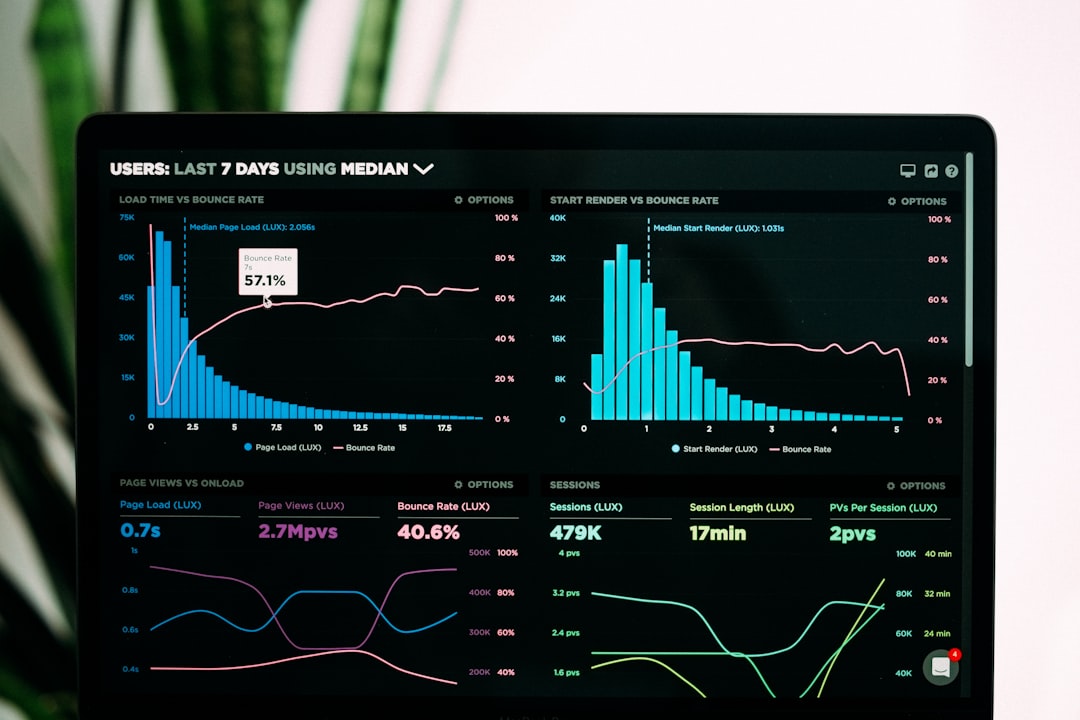
HD is especially useful when viewers need to read small text. Screen recordings, software tutorials, charts, slides, and interface walkthroughs should usually be 1080p. SD makes tiny letters look muddy. Nobody enjoys pausing a tutorial just to guess what a button says.
SD vs HD: Which Should You Choose?
Pick HD if image quality matters, your audience uses modern screens, or your content needs to look professional. Pick SD if you need faster uploads, smaller files, lower data use, or compatibility with older systems.
A practical approach is to keep a high-quality HD master file and create smaller SD versions when needed. This gives you flexibility. You can publish the HD version on public platforms and send the SD version to users with limited bandwidth.
For most creators and businesses, 1080p HD is the best default. It balances quality, file size, and compatibility. SD still has a role, but it is no longer the standard for polished video. Use it when it solves a real problem, not because it is familiar.