


Best overall choice: pick Cin7 if stock control across warehouses, online stores, and wholesale orders is the main problem. Pick Lightspeed if retail point of sale matters most. The reason is simple: inventory mistakes are expensive, and the National Retail Federation reported retail shrink at 1.6% of sales in its 2022 study [source: NRF].
TLDR: Cin7 is the strongest fit for growing sellers with complex stock, multiple channels, and purchasing needs. Lightspeed is better for stores that need polished POS, barcoding, and in-store selling. Zoho Inventory works well for smaller teams that want clean order control without a painful bill; for example, a 3-person team shipping 500 orders a month could track stock, invoices, and carriers in one place. Shopify POS, the fourth system here, is best when most sales already run through Shopify and retail stores are tied to the same catalog.
Quick comparison
- Lightspeed: best for retail shops, apparel stores, bike shops, and specialty stores.
- Cin7: best for multi-channel sellers, wholesalers, and brands with serious purchasing workflows.
- Zoho Inventory: best for small businesses that need affordable order and stock management.
- Shopify POS: best for Shopify merchants selling online and in person.
1. Lightspeed: strong retail control with a real POS focus
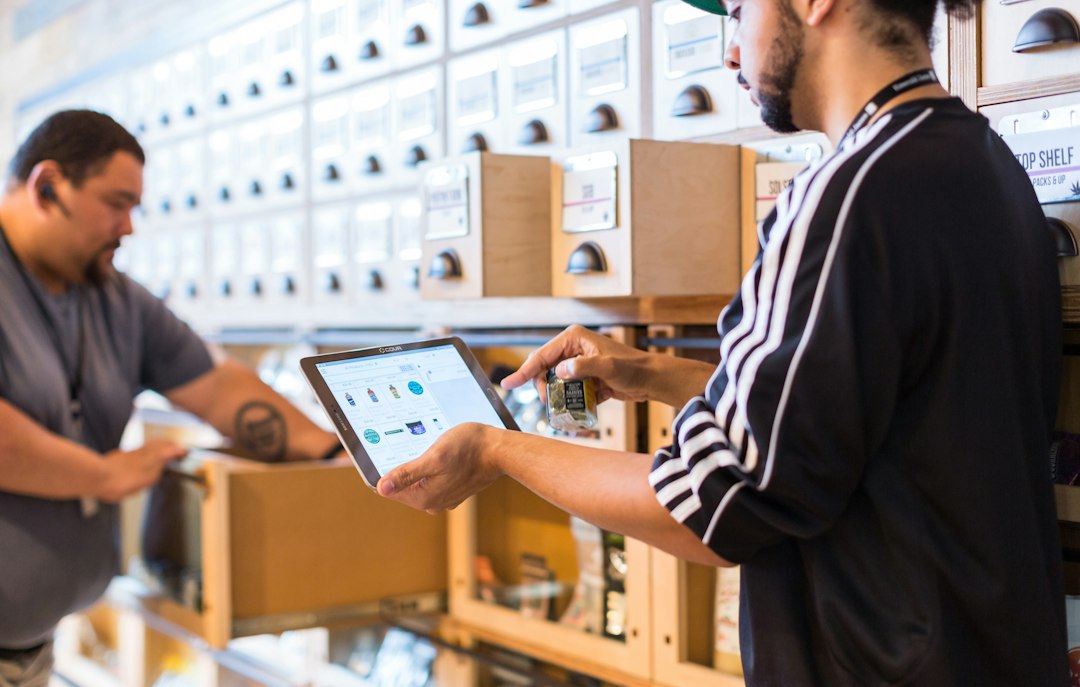
Lightspeed feels built for physical retail first. That is a good thing if your team spends the day scanning items, checking customers out, handling returns, and watching stock on the shop floor.
Its inventory tools cover variants, purchase orders, vendor records, low-stock alerts, and barcode workflows. For retailers with many colors, sizes, or product types, this matters. Staff can see what is in stock without digging through spreadsheets.
The reporting is also solid. You can track sales by product, employee, location, and category. That helps owners cut slow movers faster. It also helps buyers reorder winners before shelves go empty.
Best fit: retail businesses with one or more stores that need tight POS and stock control.
The annoying part: some setup work feels heavier than it should. Product imports, register rules, taxes, and integrations may take time. Honestly, it feels like the software expects you to already know its way of thinking.
2. Cin7: best for serious inventory and order operations
Cin7 is the most operations-focused system in this group. It is built for companies that sell through many channels and need one clean source of stock truth.
It supports inventory management, order routing, purchasing, warehouse control, B2B sales, production workflows, and integrations with major ecommerce and accounting tools. That makes it useful for brands selling through Shopify, Amazon, wholesale reps, and retail stores at once.
Cin7 is also strong for purchasing. You can track supplier costs, lead times, stock on hand, incoming stock, and backorders. That helps prevent the classic mess: selling items online that are still sitting on a supplier invoice.
Best fit: wholesalers, product brands, distributors, and retailers with several channels or warehouses.
The catch is that Cin7 can feel like too much software for a small shop. If you only sell from one store and one website, expect unused menus and a longer onboarding process. It pays off when operations are complex. It feels heavy when they are not.
3. Zoho Inventory: practical and budget-friendly
Zoho Inventory is a sensible choice for smaller businesses. It handles stock levels, sales orders, purchase orders, shipping, invoices, and basic warehouse needs. It also connects well with other Zoho tools, which is useful if you already use Zoho Books or Zoho CRM.
The interface is clean. Most teams can learn the basics quickly. You can create items, set reorder points, process orders, and track shipments without needing a consultant for every small change.
Zoho Inventory is not as deep as Cin7 for advanced supply chain work. It is also not as retail-native as Lightspeed. But it gives small teams a lot of value for the money.
Best fit: ecommerce sellers, small wholesalers, and growing teams that need order discipline without enterprise cost.
Expect to waste time on limits if your business grows fast. Advanced reporting, complex warehouse logic, and deeper retail features may feel thin later. Still, for a lean team, it is hard to ignore.
Image not found in postmeta4. Shopify POS: simple choice for Shopify-first sellers
Shopify POS belongs in this comparison because many retailers already run their online store on Shopify. If that is true for you, keeping POS and ecommerce under one roof can reduce mistakes.
Products, customers, orders, and stock can sync between online and in-store sales. That is useful for buy online, pick up in store workflows. It also helps staff see customer history at checkout.
Shopify POS is not the deepest inventory system here. Purchasing, supplier management, and multi-warehouse control may need apps or higher-tier features. But for Shopify merchants, the clean connection is the main draw.
Best fit: Shopify sellers that also run pop-ups, small stores, or retail counters.
Which system should you choose?
- Choose Lightspeed if checkout speed, store staff tools, and retail reporting matter most.
- Choose Cin7 if you manage many sales channels, suppliers, warehouses, or wholesale orders.
- Choose Zoho Inventory if you want solid order and stock control at a lower cost.
- Choose Shopify POS if Shopify is already the center of your sales setup.
For a single retail store, Lightspeed is usually the safer pick. For a growing brand with online, wholesale, and warehouse needs, Cin7 is stronger. For small teams watching costs, Zoho Inventory is practical. For Shopify sellers, Shopify POS keeps things simple.
The best system is the one that removes daily friction. Count how many channels you sell through. Count your locations. Count monthly orders. Then choose the tool that fits that reality, not the one with the longest feature list.