


In the ever-evolving landscape of digital marketing and content creation, search engine optimization (SEO) remains a crucial element of online success. Creative keyword strategies can dramatically influence how search engines index content and how users discover websites. One quirky yet effective angle is focusing on niche keyword groups—like those that start with “Sam.”
TL;DR: Targeting keywords that start with “Sam” may seem unconventional, but it can be a powerful niche approach for SEO. Words like Sample, Samsung, and Samurai have significant search volumes and commercial intent. This article explores how to leverage such keywords in content strategies to boost visibility and drive traffic. Learn how and why this SEO microtrend is worth paying attention to.
Understanding the Power of Niche Keyword Strategies
SEO is often about the long game, and one way to play it smartly is by focusing on high-intent or low-competition keyword clusters. Keywords starting with “Sam” are one such niche category. Although random at first glance, when examined closely, these words are commonly searched, brand-heavy, and often tied to product queries or informational content.
Consider that users searching for something like “Samsung phone deals” or “Sample meal plans” are already highly motivated. Tapping into this intent with refined content and keyword targeting opens the doors for better click-throughs and higher ranking opportunities.
Popular SEO Keywords That Start With “Sam”
Here are some of the keywords that fall into the “Sam” keyword bucket and show measurable SEO value:
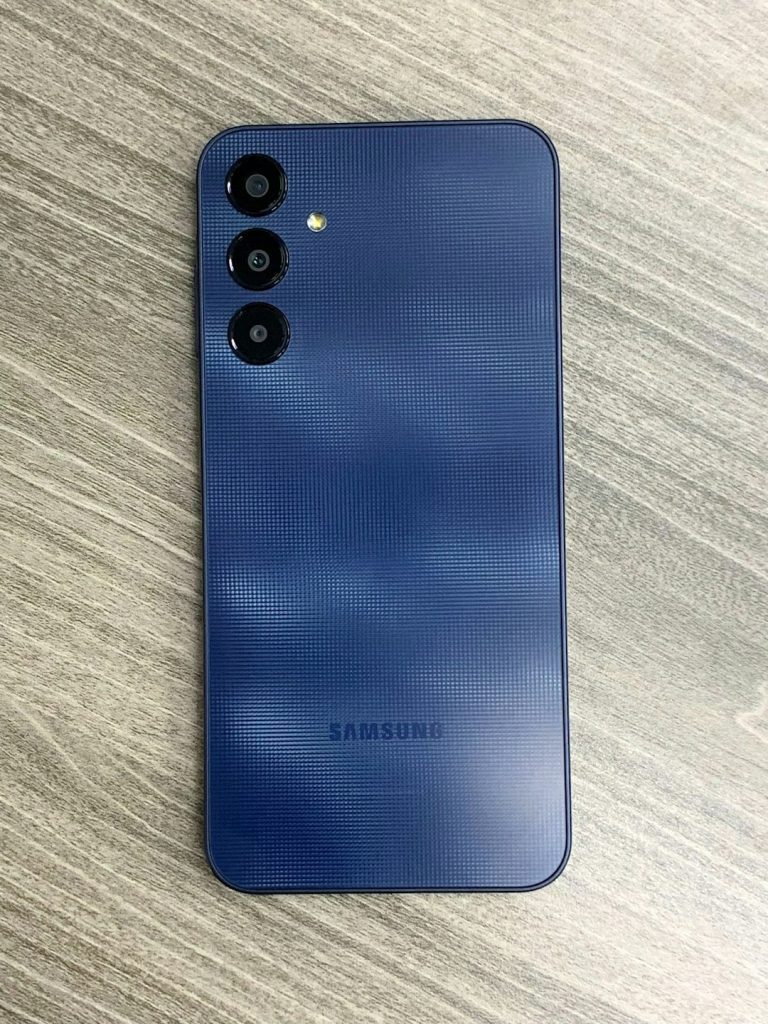
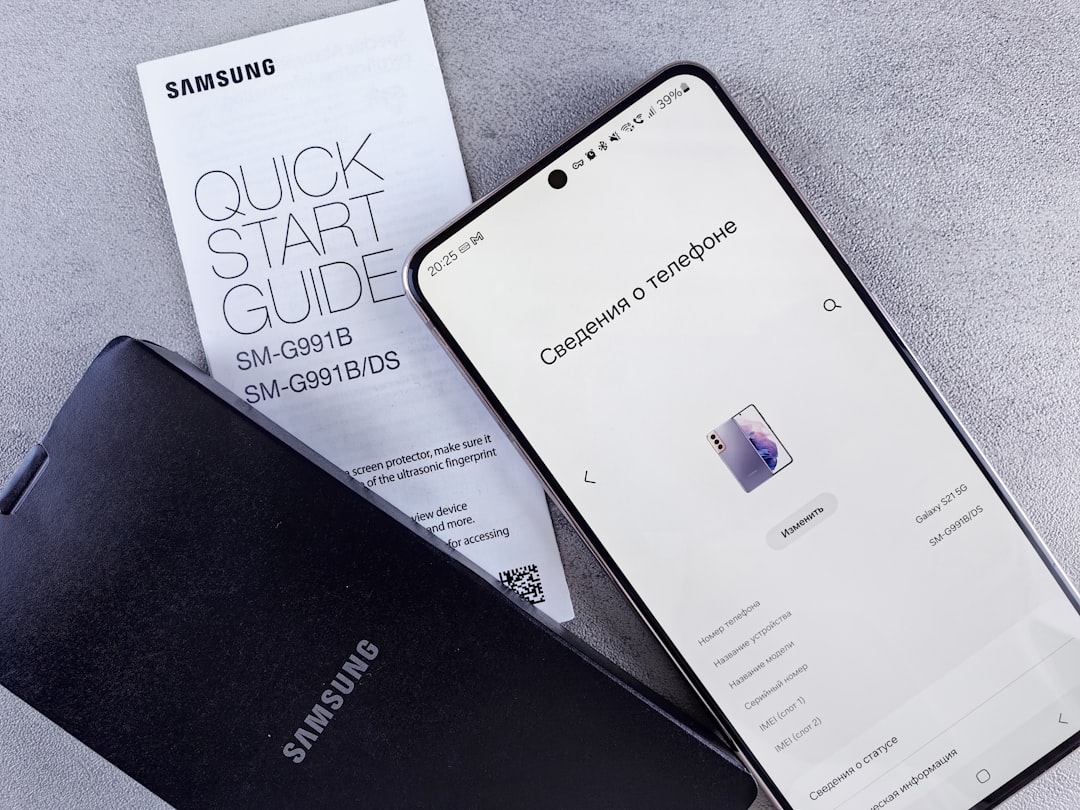
- Samsung: A globally recognized brand associated with electronics, smartphones, appliances, and more.
- Samurai: Common in historical research, entertainment, and Japanese culture-based content.
- Sample: Used in a variety of contexts—product samples, scientific samples, sample resumes, etc.
- Same-day: Frequently attached to delivery services or scheduling (e.g., “same-day shipping”).
- Sam’s Club: A brand in itself and a treasure trove for product listings, reviews, and deals.
These keywords span across informational, transactional, and navigational search intents, which makes them valuable additions to any SEO strategy.
How to Use “Sam” Keywords in Content Strategy
Integrating “Sam” keywords effectively requires a mix of technical SEO know-how and engaging content writing. Here’s how to start:
1. Build Around High-Volume “Sam” Search Terms
Use keyword research tools like Google’s Keyword Planner, Ahrefs, or SEMrush to identify the most popular “Sam” keywords. For instance, “Samsung Galaxy S23 review” has a much higher traffic potential than a general phrase like “phone review.” Tailor your content to address search intent, providing detailed, high-quality insights.
2. Create Resource Hubs
If your site focuses on consumer electronics, consider creating a hub focusing solely on Samsung-related articles—reviews, comparisons, specs, and tips. You can do the same with “Sample” as a theme, organizing different types of samples such as resumes, business proposals, or even code snippets.
3. Optimize Titles and Meta Descriptions
Since “Sam” keywords often coincide with product searches, create compelling titles and meta descriptions to capture attention. For example, a meta title like “Samsung Washing Machine Reviews 2024 – Top 5 Picks” instantly tells readers (and Google) what the page is about.
4. Don’t Forget Image SEO
Searchers often tap the “Images” tab on Google when looking for visual content. Include images with relevant filenames and alt text. For instance, an image file could be named samsung-galaxy-s23-camera.jpg with alt text like “Samsung Galaxy S23 camera specification infographic.”
5. Use Internal Linking Wisely
When your content grows and spans different “Sam” topics—Samsung, Sample, Sam’s Club deals—it’s important to link relevant pages within your site. Internal linking supports navigation and distributes page authority, enhancing SEO performance.

Who Benefits Most from “Sam”-Based SEO Strategies?
This tactic isn’t just for tech bloggers or product reviewers. Consider these industries and niches that can benefit:
- Retailers & E-commerce Stores: Especially those selling Samsung products or using Sam’s Club as an affiliate channel.
- Educational Websites: Offering downloadable sample tests, sample essays, or sample code.
- History and Culture Sites: With content on Samurai warfare, ancient traditions, etc.
- Delivery Services: Promoting same-day delivery as a service benefit.
By targeting specific demographics and aligning with search intent, “Sam” keywords can be converted from gimmicky to genuinely effective.
Common Pitfalls to Avoid
SEO strategies require precision, and misuse of keywords can hurt rather than help. Here are missteps creators often make:
- Keyword Stuffing: Cramming your content with “Sam” keywords makes it unreadable and penalizes SEO.
- Ignoring Search Intent: Don’t use “Samsung” in a piece about ancient Samurai—it confuses search engines and users.
- Missing Alt Text: SEO isn’t just about written content—images contribute too. Don’t neglect them.
- Low-Content Pages: Pages with just lists of “Sam words” without value or context can be detrimental to site rankings.
The “Sam” SEO Advantage
Although broadly grouped under one prefix, “Sam” keywords represent a wide array of user interests. Whether it’s smartphones, grocery shopping clubs, food samples, or cultural terminology, the “Sam” ecosystem covers considerable digital real estate. And because it’s a less explored tactic, the competition is often softer, especially for long-tail keywords.
For instance, “sample email to schedule an interview” might drive significant traffic for career-focused websites, and this small keyword inclusion can make a big SEO impact.
Final Thoughts
Words starting with “Sam” provide a surprising opportunity for SEO traction across industries. While they aren’t a universal solution, they are a fine example of thinking strategically in a niche. From Samsung products to job-related samples and historical samurai references, the potential reaches across interests and countries.
So next time you’re brainstorming new content ideas or evaluating keywords, don’t overlook the “Sam” factor. It might just be your next SEO breakthrough.
Frequently Asked Questions (FAQ)
- Q: Why should I focus on “Sam” related keywords?
A: These keywords often have high commercial intent, brand recognition (e.g., Samsung), or specific topics (e.g., samples, samurais) that attract niche audiences. - Q: Are “Sam” keywords good for long-tail SEO?
A: Absolutely. Many of them form part of longer keyword phrases like “sample cover letter for job application” or “Samsung phone with best battery life.” - Q: Can I use these keywords on any type of website?
A: It depends on your audience and content theme. They’re most effective when aligned with your niche and when they meet specific user intent. - Q: How do I find trending “Sam” keywords?
A: Use SEO tools like Ahrefs, SEMrush, or Google Trends to track search volume and trends for keyword phrases starting with “Sam.” - Q: Is there any risk in targeting niche keywords like these?
A: The main risk is over-optimizing or misusing them. Proper integration into high-quality content is key to avoiding potential SEO penalties.