



White-label checkout solutions sit behind many of the most polished online buying experiences. They let businesses accept payments through a checkout flow that looks and feels like their own product, even when the underlying infrastructure is provided by a third-party payment platform. For marketplaces, SaaS companies, ecommerce brands, and fintech apps, the choice often comes down to three big questions: How flexible is the API? How much control do you get over branding? And how deeply can you customize payment options?
TLDR: White-label checkout solutions differ most in API depth, visual customization, and payment flexibility. For example, a SaaS platform that moves from a generic hosted checkout to a branded embedded checkout could reduce cart abandonment by 10–20% if the new flow feels more trustworthy and requires fewer redirects. Businesses processing high transaction volumes should prioritize API reliability, local payment methods, and advanced fraud tools, while smaller brands may benefit more from fast setup and simple branding controls.
What Makes a Checkout “White Label”?
A white-label checkout is a payment experience that can be presented under your own brand rather than the payment provider’s. Instead of sending customers to a generic third-party page, you can customize the checkout with your logo, colors, typography, domain, and sometimes the entire user interface.
However, not all white-label solutions offer the same level of control. Some are essentially branded hosted pages, while others provide developer-first APIs that allow businesses to build a fully embedded payment flow from scratch. The right choice depends on your business model, technical resources, compliance needs, and customer expectations.
1. API Flexibility: The Engine Behind the Experience
APIs determine how much control your developers have over the checkout process. A simple API may let you create payment sessions, redirect users, and confirm transactions. A more advanced API can support subscriptions, split payments, saved cards, multi-currency pricing, refunds, invoices, tax handling, fraud scoring, and custom workflows.
Hosted checkout APIs are usually easier to implement. The provider manages the payment page, security, updates, and compliance obligations such as PCI DSS. This is ideal for businesses that want to launch quickly without building complex payment infrastructure.
Embedded checkout APIs, on the other hand, offer greater flexibility. They allow the payment form to live inside your app or website, creating a smoother experience. This is especially valuable for SaaS platforms, marketplaces, travel booking sites, and subscription businesses where checkout is part of a broader user journey.
When comparing APIs, look closely at:
- Documentation quality: Clear examples, SDKs, and test environments reduce development time.
- Webhook support: Essential for tracking payment status, chargebacks, renewals, and failed transactions.
- Uptime and latency: Even minor delays can affect conversion rates.
- Scalability: The API should handle seasonal spikes, international traffic, and growing payment volume.
- Developer tooling: Sandbox modes, logs, dashboards, and error messages matter more than many teams expect.
2. Branding Control: From Logo Placement to Full UX Ownership
Branding is where white-label checkout solutions vary dramatically. At the basic level, you may be able to add your logo and select a primary color. At the advanced level, you can control nearly every visual and behavioral detail of the checkout experience.
For consumer-facing brands, visual consistency builds trust. If a shopper clicks “Buy Now” and lands on a checkout page that looks unrelated to the original website, they may hesitate. Even if the payment provider is reputable, the shift can feel disruptive. A unified branded checkout reassures users that they are still in the same purchasing environment.
Common branding options include:
- Logo and favicon customization
- Custom colors, fonts, and button styles
- Custom checkout domain, such as payments.yourbrand.com
- Localized language and currency display
- Custom confirmation pages and email receipts
- Mobile-optimized layouts that match the main product experience

Still, more branding control often means more responsibility. If you build a fully custom checkout interface, your team must consider accessibility, responsive design, error handling, and compliance-friendly form behavior. A beautiful checkout that confuses users or mishandles payment errors will perform worse than a simpler, more reliable hosted page.
3. Payment Customization: Matching How Customers Want to Pay
Payment customization goes beyond accepting credit and debit cards. Modern customers expect flexible options, especially in international markets. A checkout that works well in the United States may feel incomplete in Germany, Brazil, India, or the Netherlands.
Strong white-label checkout platforms usually support a mix of:
- Cards: Visa, Mastercard, American Express, and local card networks
- Digital wallets: Apple Pay, Google Pay, PayPal, and similar options
- Bank transfers: Useful for larger invoices and B2B payments
- Buy now, pay later: Popular in retail and higher-ticket ecommerce
- Local payment methods: Such as iDEAL, Pix, UPI, SEPA Direct Debit, or Sofort
- Recurring billing: Essential for subscription businesses
Customization also includes payment logic. For example, a marketplace may need to split a customer’s payment between multiple sellers while keeping a platform fee. A SaaS company may need prorated upgrades, trial periods, usage-based billing, and automatic retries for failed payments. A global ecommerce store may need dynamic currency conversion and region-specific tax calculations.
The best solutions let you configure these rules without forcing customers through unnecessary steps. Fewer fields, smarter defaults, and relevant payment options can significantly improve completion rates.
Hosted vs Embedded vs Fully Custom Checkout
Most white-label solutions fall into three broad categories:
- Hosted checkout: Fast to launch, secure, and low maintenance. Best for small to mid-sized businesses that want reliability over deep customization.
- Embedded checkout: A balanced option that keeps users on your site or app while relying on provider-managed payment components. Best for brands that want a seamless experience without assuming full compliance complexity.
- Fully custom checkout: Maximum control using APIs and tokenization. Best for platforms with strong engineering teams and specialized payment workflows.
Hosted checkout is often enough for a new ecommerce brand. Embedded checkout is usually better for growing companies that care about conversion optimization and user experience. Fully custom checkout makes sense when payments are central to the product itself, such as in marketplaces, fintech platforms, or enterprise procurement systems.
Security and Compliance Should Not Be Afterthoughts
White-label does not mean invisible risk. Payments involve sensitive data, fraud exposure, chargebacks, and regulatory obligations. A good provider should offer PCI compliance support, encryption, tokenization, fraud detection, 3D Secure support, dispute management, and clear audit trails.
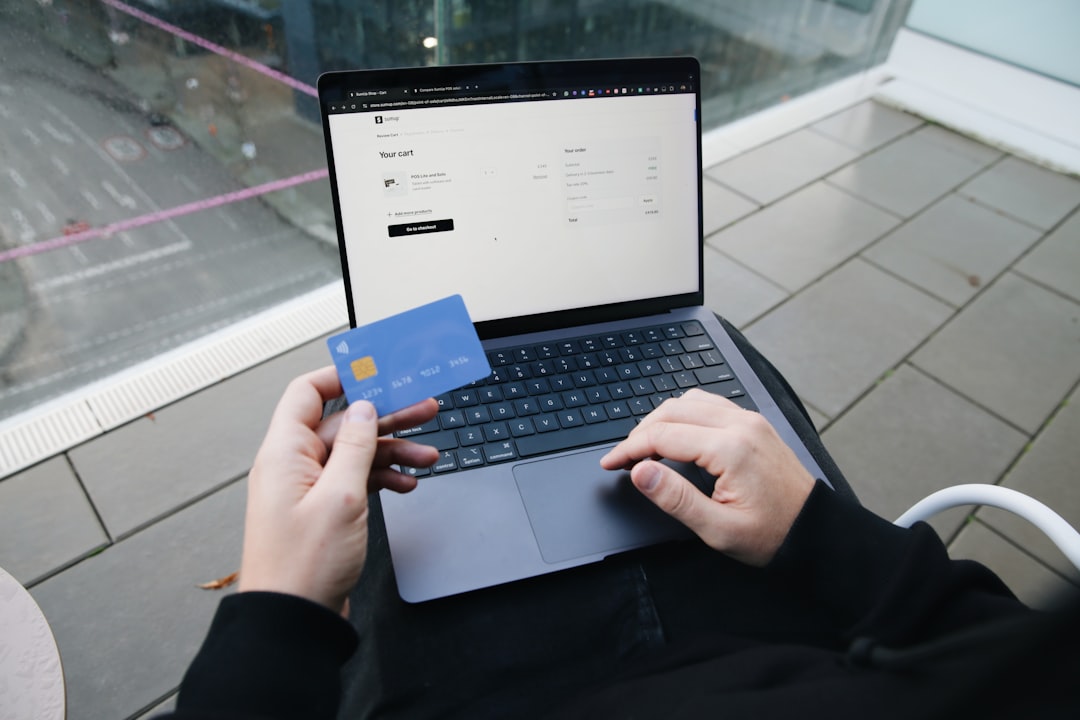
For many businesses, using provider-hosted fields or embedded secure components is the safest route. Customers experience a branded flow, while card data is handled directly by the payment provider. This reduces the compliance burden without sacrificing too much design control.
How to Choose the Right Solution
To compare white-label checkout providers, start with your business priorities rather than feature lists. A long list of payment methods is not useful if the API is difficult to maintain. A stunning checkout editor is not enough if the provider lacks local acquiring in your key markets.
Ask these questions before choosing:
- Do we need speed or customization most?
- Will checkout happen on web, mobile, in-app, or all three?
- Which countries and currencies matter today and in the next two years?
- Do we need subscriptions, split payments, or marketplace payouts?
- How much engineering effort can we realistically support?
- What fraud, compliance, and reporting tools are included?
Final Thoughts
The best white-label checkout solution is not simply the one with the most features. It is the one that fits your customer journey, technical capacity, brand expectations, and payment strategy. APIs define what you can build, branding tools shape how customers perceive the experience, and payment customization determines whether people can pay the way they prefer.
For a small business, a polished hosted checkout with basic branding may be the smartest option. For a fast-growing platform, embedded components and powerful APIs can create a more seamless and scalable experience. And for payment-heavy products, a fully custom white-label checkout can become a competitive advantage—not just a back-office necessity.