


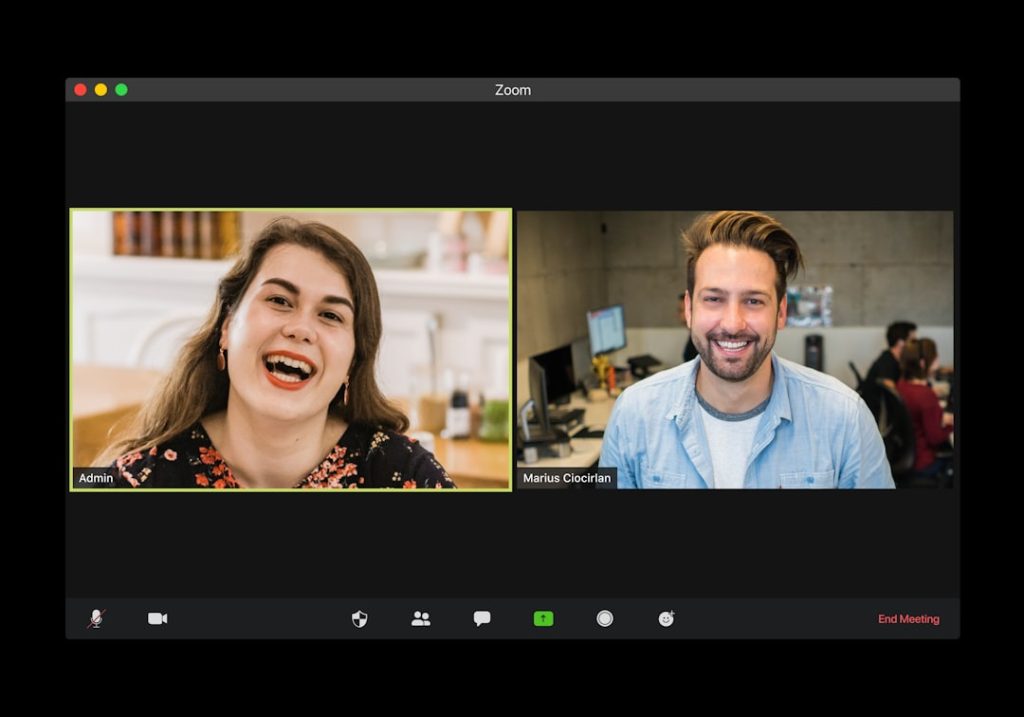
Remote closing is one of the fastest-growing sales roles in the digital economy, especially as more companies sell high-ticket products and services through video calls, webinars, funnels, and online consultations. Instead of meeting prospects in person, a remote sales closer guides qualified leads through a buying decision from anywhere with a laptop, phone, and reliable internet connection.
TLDR: Remote closing is the process of closing sales virtually, usually over phone or video calls. Remote sales closers often work with warm leads and focus on converting interested prospects into paying customers. Earnings can range widely, from modest commissions to six-figure incomes, depending on skill, offer quality, lead flow, and compensation structure. To become one, you need strong communication, sales psychology, discipline, and consistent practice.
What Is Remote Closing?
Remote closing is the act of finalizing a sale without meeting the customer face to face. A remote closer typically speaks with prospects through tools like Zoom, Google Meet, phone calls, or CRM-based dialers. Their main job is to help a potential customer decide whether a product, program, or service is the right fit.
Unlike traditional cold callers, remote closers usually work with warm leads. These are people who have already shown interest by booking a call, attending a webinar, downloading a guide, requesting information, or speaking with a setter. The closer enters the conversation near the final stage of the sales process.
Common industries that use remote closers include:
- Online education and coaching, such as business, fitness, mindset, or career programs
- Software and SaaS, especially subscription-based business tools
- Marketing agencies offering advertising, SEO, or lead generation services
- Real estate and investment services
- Consulting and professional services
The role is especially common in high-ticket sales, where products or services may cost anywhere from $2,000 to $50,000 or more. Because these purchases require trust and careful decision-making, companies hire skilled closers to handle conversations professionally.

What Does a Remote Sales Closer Actually Do?
A remote closer does far more than “pitch” a product. The best closers act as consultants. They listen carefully, ask strategic questions, diagnose the prospect’s problems, and explain how the offer can help.
A typical day may include:
- Reviewing booked calls and lead notes in a CRM
- Joining sales calls with prospects
- Asking discovery questions about goals, challenges, timing, and budget
- Presenting the offer clearly and confidently
- Handling objections about price, trust, timing, or uncertainty
- Sending contracts, payment links, or follow-up messages
- Updating pipeline stages and call outcomes
- Attending team meetings or sales training sessions
In some companies, a remote closer only handles the final call. In others, they may manage the entire sales cycle, from first contact to signed agreement. The higher the price and complexity of the offer, the more consultative the role becomes.
Remote Closing Salary: How Much Can You Make?
Remote closing income varies dramatically. Some beginners make a few thousand dollars per month, while top performers can earn six figures or more annually. The biggest factors are the quality of the offer, the commission rate, the number of leads, the closer’s skill level, and the company’s sales process.
Common compensation models include:
- Commission only: The closer earns a percentage of each sale, but no base salary.
- Base plus commission: The closer receives stable pay plus performance-based earnings.
- Retainer plus commission: Common for contractors who want some guaranteed income.
- Salary with bonuses: More common in established SaaS or corporate sales teams.
For example, if a closer sells a $5,000 coaching program and earns a 10% commission, they make $500 per sale. Closing ten sales in a month would produce $5,000 in commission. In higher-ticket industries, one closed deal may be worth several thousand dollars to the closer.
As a general guide, entry-level remote closers might earn $40,000 to $60,000 per year, while experienced closers can reach $75,000 to $150,000+. Elite closers in strong markets with excellent lead flow may exceed that, but those results are not automatic. Remote closing is performance-driven, so income can fluctuate.
Key Skills Every Remote Closer Needs
Remote closing is simple in concept but difficult in execution. A good closer must combine emotional intelligence, structure, confidence, and follow-through.
1. Active listening
Great closers listen more than they talk. They pay attention to what prospects say, what they avoid saying, and what emotions are driving the decision.
2. Questioning ability
Sales conversations are powered by questions. A closer must uncover pain points, goals, motivations, objections, and decision criteria without making the prospect feel interrogated.
3. Emotional intelligence
People rarely buy based on logic alone. A remote closer needs to understand fear, hesitation, urgency, trust, and desire.
4. Product knowledge
You cannot sell what you do not understand. Strong closers know the offer, pricing, outcomes, limitations, customer success stories, and competitors.
5. Objection handling
Prospects often say things like “I need to think about it,” “It’s too expensive,” or “I need to talk to my partner.” A skilled closer does not pressure them; instead, they clarify the real concern and help them make a confident decision.
6. Discipline and self-management
Working remotely requires focus. Closers must show up prepared, manage their schedule, track follow-ups, and keep improving even when deals fall through.

How to Become a Remote Sales Closer
You do not always need a college degree to become a remote closer, but you do need proof that you can communicate, learn quickly, and produce results. Here is a practical path to get started.
- Learn basic sales fundamentals. Study discovery calls, consultative selling, objection handling, follow-up systems, and buyer psychology.
- Practice through role-play. Sales improves through repetition. Practice mock calls with friends, mentors, online communities, or other aspiring closers.
- Choose a niche. It is easier to get hired when you understand a specific market, such as coaching, SaaS, marketing services, fitness, or real estate.
- Build a simple track record. If you are new, consider starting as a sales development representative, appointment setter, or junior closer.
- Create a strong application. Instead of only sending a resume, include a short video introduction, relevant experience, and examples of how you communicate.
- Apply to companies with proven offers. A great closer cannot fix a weak product, poor marketing, or unqualified leads. Look for businesses with testimonials, a clear sales process, and steady demand.
- Track your numbers. Monitor call volume, show-up rate, close rate, average deal size, and follow-up conversions. Sales is easier to improve when you know your metrics.
Is Remote Closing Legit?
Yes, remote closing is a legitimate sales career, but it is often overhyped online. Some people promote it as an easy way to get rich quickly, which is misleading. The reality is that remote closing can be lucrative, but it requires skill, resilience, and consistent performance.
Be cautious of opportunities that promise huge income with no effort, require large upfront fees, or refuse to explain the product you would be selling. A professional remote closing role should involve a real company, a clear offer, transparent compensation, ethical sales practices, and proper onboarding.

Final Thoughts
Remote closing is a modern sales role built for a world where major buying decisions happen online. It offers flexibility, strong income potential, and the chance to work with companies across different industries. However, it is not just about being persuasive. The best remote closers are thoughtful communicators who understand people, ask excellent questions, and help prospects make decisions that genuinely fit their needs.
If you enjoy conversation, problem-solving, performance-based work, and continuous improvement, remote closing may be a career worth exploring. Start by learning the fundamentals, practicing consistently, and seeking opportunities with reputable companies that sell valuable products. With time and discipline, remote closing can become not just a remote job, but a serious long-term sales career.