


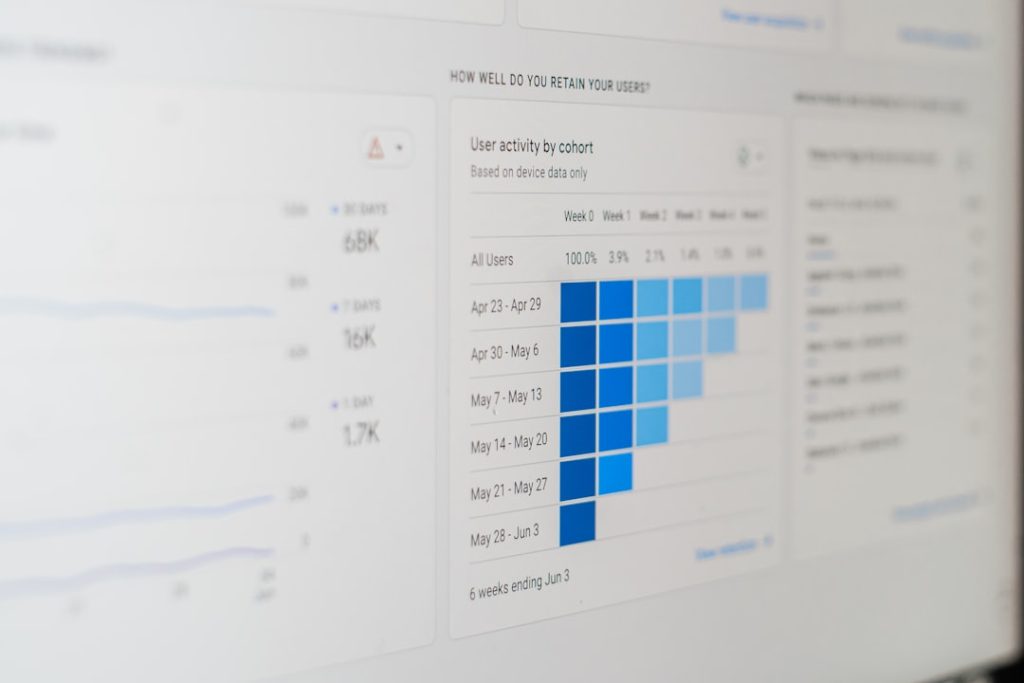
In an increasingly competitive digital environment, a company’s website is often the first and most influential point of contact with potential customers. It shapes trust, communicates value, and determines whether users stay, convert, or leave within seconds. For this reason alone, businesses can no longer rely on assumptions or outdated design choices. They need a structured, evidence-based way to evaluate how well their website performs for real users, and that is precisely where a website design audit becomes essential.
TLDR; A website design audit is a systematic review of how well a website supports usability, accessibility, performance, and business goals. It helps identify design flaws, usability barriers, and missed opportunities that negatively affect the user experience. By acting on audit insights, businesses can improve engagement, conversions, and overall trust. Ultimately, it is a proactive way to ensure a website works for users and the organization alike.
What Is a Website Design Audit?
A website design audit is a comprehensive evaluation of a website’s visual design, structure, usability, performance, and user experience. Unlike a quick visual review, an audit is data-informed and methodical. It examines how users interact with the website, how easily they can complete key tasks, and how effectively the design supports business objectives.
The purpose of a design audit is not merely to identify what looks outdated or unattractive. Instead, it focuses on how design decisions influence user behavior, accessibility, trust, and conversion. A well-conducted audit combines expert analysis, usability principles, analytics data, and often real user feedback to form clear, actionable insights.
In many cases, businesses assume that poor performance is due to pricing, marketing, or competition, when in fact the website itself is creating friction. A design audit helps uncover those hidden issues.
Key Areas Covered in a Website Design Audit
A thorough website design audit reviews multiple interconnected elements. Each area contributes to the overall experience users have while navigating the site.
- Visual hierarchy and layout: Evaluates whether users can easily understand what is most important on each page and whether content is structured logically.
- Navigation and information architecture: Assesses how intuitively users can find information and move between sections.
- Usability and interaction design: Reviews forms, buttons, calls to action, and interactive elements for clarity and ease of use.
- Accessibility: Checks compliance with accessibility standards so users with disabilities can access and use the site effectively.
- Mobile responsiveness: Ensures the design works seamlessly across different screen sizes and devices.
- Page speed and performance: Analyzes load times and performance issues that impact user satisfaction and search rankings.
- Content presentation: Evaluates readability, tone, formatting, and how well content supports user goals.
By examining these areas together, an audit reveals how design decisions affect the user journey from first impression to final action.
Why User Experience Should Be a Business Priority
User experience is not a design trend; it is a business necessity. A website may attract visitors through marketing efforts, but user experience determines whether those visitors convert into customers, subscribers, or leads. Research consistently shows that users abandon sites that are confusing, slow, or difficult to use, often without giving them a second chance.
From a business perspective, poor user experience translates into tangible losses. These may include lower conversion rates, higher bounce rates, increased support requests, and reduced customer trust. Conversely, a positive user experience enhances credibility, encourages repeat visits, and strengthens brand perception.
A website design audit helps businesses objectively assess whether their site truly serves users or unintentionally pushes them away.

How a Website Design Audit Improves User Experience
The true value of a website design audit lies in its ability to connect user behavior with design decisions. Rather than guessing what users want, businesses gain insights based on evidence and best practices.
For example, an audit may reveal that users struggle to find critical information due to unclear navigation labels. It may identify forms that are too long or poorly structured, causing users to abandon them. It may also uncover accessibility issues that exclude certain user groups without the business realizing it.
Armed with this information, companies can make targeted improvements that remove friction, clarify communication, and guide users more effectively. Over time, these refinements result in smoother journeys, stronger engagement, and higher satisfaction.
When Should a Business Conduct a Website Design Audit?
Many organizations wait until a website is clearly underperforming before considering an audit. However, proactive audits are often more effective and less costly in the long run.
Common situations where a design audit is especially valuable include:
- Before a major redesign or rebranding effort
- After a noticeable drop in conversions or engagement
- When expanding into new markets or user segments
- Following the introduction of new features or services
- Periodically, as part of ongoing digital optimization
Regular audits help ensure that a website evolves in line with user expectations, technology changes, and business goals.
Who Should Perform a Website Design Audit?
While internal teams may have valuable insights, they are often too close to the product to see its flaws objectively. A website design audit is most effective when conducted by experienced UX professionals, designers, or specialized agencies who bring an outside perspective.
These experts apply established usability principles, accessibility standards, and industry benchmarks. They are also better equipped to interpret qualitative and quantitative data without internal bias. That said, the most successful audits involve collaboration, where external findings are combined with internal business knowledge.
Understanding the Results of a Design Audit
A serious website design audit does not end with a list of problems. Instead, it delivers a prioritized set of recommendations tied to business impact and user needs. Issues are typically ranked by severity, allowing decision-makers to focus first on changes that will yield the greatest improvement.
Recommendations may range from small, quick wins, such as improving button contrast or simplifying copy, to larger structural changes involving navigation or page layout. This clarity helps businesses allocate resources wisely and avoid costly redesigns that fail to address real issues.
Long-Term Business Benefits of a Website Design Audit
Beyond immediate usability improvements, regular website design audits contribute to long-term digital success. They foster a culture of continuous improvement, where decisions are driven by user needs rather than assumptions or internal opinions.
Over time, businesses that rely on audits tend to see stronger performance metrics across the board. These may include improved conversion rates, higher customer satisfaction, reduced support costs, and better alignment between digital presence and brand values.
Perhaps most importantly, a design audit helps ensure that a website remains an asset rather than a liability as the business grows and market expectations evolve.
Conclusion
A website design audit is not about criticism or finding fault; it is about understanding. It provides a structured, professional assessment of how effectively a website serves its users and supports business objectives. In a digital landscape where user expectations continue to rise, relying on intuition alone is no longer sufficient.
For businesses that are serious about user experience, credibility, and long-term growth, a website design audit is not optional. It is a strategic tool that turns insight into action and ensures that a website fulfills its most important role: serving users clearly, efficiently, and with purpose.