


A KOL is a trusted expert whose opinions can shape what people believe, buy, or recommend. In marketing, the term means Key Opinion Leader. A KOL may be a doctor, analyst, chef, gamer, academic, athlete, stylist, engineer, or niche creator with deep authority in a field. Brands work with KOLs because their audience sees them as credible, not just visible.
TLDR: A KOL is an authority figure who influences purchase decisions through expertise and trust. Unlike a typical influencer, a KOL is valued for knowledge first and audience size second. For example, a skincare startup might partner with a dermatologist who has 42,000 Instagram followers and see a 28% lift in product trials after a single educational video. The best KOL campaigns focus on credibility, clear fit, and measurable action.
What Makes Someone a KOL?
A Key Opinion Leader earns influence through skill, credentials, results, or years of public trust. Popularity helps, but it is not the main point. A KOL has an informed view that people respect.
For example, a fitness creator with two million followers may be an influencer. A sports physiotherapist with 80,000 followers who explains injury prevention may be a KOL. Both can move sales. The KOL often moves higher-trust decisions, especially when the product needs education.
KOLs are common in sectors where buyers want proof before spending money. These include:
- Healthcare: doctors, pharmacists, researchers, and wellness specialists.
- Beauty: dermatologists, makeup artists, estheticians, and product chemists.
- Technology: engineers, analysts, reviewers, and software educators.
- Finance: economists, accountants, investors, and financial planners.
- Food: chefs, nutritionists, critics, and specialty creators.
- B2B: consultants, founders, industry writers, and conference speakers.

KOL vs Influencer: What Is the Difference?
The line can blur, but the focus is different. An influencer is usually known for audience reach, content style, and personality. A KOL is known for trusted judgment in a specific area.
An influencer can create desire. A KOL can reduce doubt. That matters when a product requires trust, science, taste, or technical knowledge.
A fashion influencer may sell a jacket by showing how it looks. A textile expert may explain why the fabric lasts longer. A travel influencer may make a hotel look fun. A hospitality consultant may explain why its service model is better. Each role has value, but the reason people listen is not the same.
Many KOLs are also influencers now, since social platforms reward consistent content. Still, a brand should not treat every creator with followers as a KOL. That mistake leads to weak campaigns, awkward scripts, and wasted budget.
Why Brands Work With KOLs
Brands use KOL marketing to build trust faster. Ads can introduce a product, but expert approval can make the claim feel safer.
KOLs are especially useful when the product has one of these traits:
- It is expensive. Buyers want reassurance before paying.
- It is technical. People need clear explanation.
- It affects health, comfort, or safety. Trust matters more than hype.
- It is new. The market needs education before adoption.
- It faces skepticism. A credible voice can answer doubts.
Honestly, it feels like some campaign reports still reward the loudest post instead of the most trusted voice. That is a costly habit. A smaller KOL with a 7% engagement rate and strong comment quality may produce better leads than a celebrity post with passive likes.
How KOL Marketing Works
A KOL campaign usually starts with a clear goal. The goal might be awareness, product education, signups, sales, investor attention, or community growth. The brand then selects experts whose audience matches that goal.
Common KOL campaign formats include:
- Educational videos: explainers, tutorials, demos, reviews, or myth-busting clips.
- Webinars and live sessions: useful for B2B, health, finance, and software.
- Product trials: the KOL tests the product and shares honest feedback.
- Event appearances: talks, panels, launches, and trade show sessions.
- Co-created content: guides, reports, checklists, newsletters, or podcasts.
- Ad usage rights: the brand runs paid ads using the KOL’s content or quote.

How to Choose the Right KOL
The best KOL is not always the biggest name. Fit matters more. A brand should check the person’s expertise, audience, tone, past partnerships, and reputation.
These checks help reduce risk:
- Relevance: Does the KOL speak about the product category often?
- Authority: Does the person have credentials, proof, or respected experience?
- Audience match: Are followers close to the brand’s target buyers?
- Engagement quality: Do comments show real interest, questions, and trust?
- Brand safety: Are past posts aligned with the brand’s values?
- Content skill: Can the KOL explain ideas clearly without sounding forced?
It drives teams crazy when a tool says a creator is “high authority” but cannot show why. Expect extra time checking audience data, past claims, and comment history. That manual work can save a campaign from looking careless later.
A Short KOL Use Case
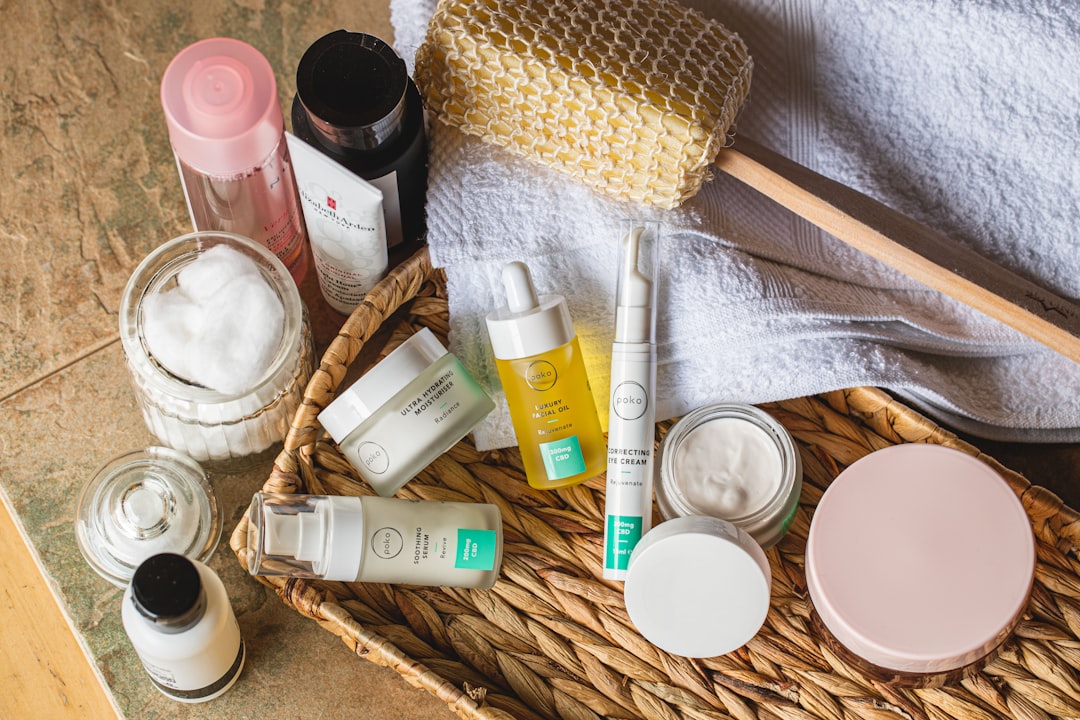
A direct-to-consumer supplement brand wants to promote a magnesium product. Instead of hiring a lifestyle influencer first, it partners with a registered dietitian who has 65,000 followers and a newsletter with 18,000 subscribers.
The dietitian creates one educational Reel, one email feature, and one live Q&A. The content avoids wild promises and explains sleep routines, dosage questions, and common mistakes. Over 14 days, the brand tracks 11,800 landing page visits, a 5.4% email signup rate, and 740 first-time purchases. The sales are useful, but the bigger gain is trust. Customer support also receives fewer basic questions because the KOL answered them upfront.
How Brands Measure KOL Success
KOL marketing should be measured with more than likes. A strong campaign connects attention to action.
Useful metrics include:
- Reach: how many people saw the content.
- Engagement rate: likes, comments, shares, saves, and meaningful replies.
- Click through rate: the share of viewers who visited a page.
- Conversion rate: purchases, signups, bookings, or trials.
- Cost per acquisition: spend divided by new customers gained.
- Sentiment: whether comments show trust, confusion, doubt, or intent.
- Content reuse value: how well the content performs in paid ads, email, or sales decks.
For long buying cycles, brands should also track assisted conversions. A KOL post may not close a sale on day one. It may start the trust process that leads to a demo request three weeks later.
Common Mistakes in KOL Campaigns
Some KOL campaigns fail because the brand treats the expert like an actor. That rarely works. A KOL needs room to speak in their own style. Overwritten scripts can make even a respected expert sound fake.
Other common mistakes include:
- Choosing reach over relevance.
- Ignoring disclosure rules for sponsored content.
- Asking for claims the KOL cannot support.
- Measuring only vanity metrics.
- Using one post when the product needs education over time.
- Skipping contract details around usage rights and approval steps.
The strongest partnerships feel clear, honest, and useful. The KOL should be allowed to point out limits, answer real questions, and explain who the product is not for. That kind of honesty can sell better than polished praise.
FAQ
What does KOL stand for?
KOL stands for Key Opinion Leader. It refers to a person whose expertise and reputation shape opinions in a specific field.
Is a KOL the same as an influencer?
Not exactly. An influencer is often known for reach and content appeal. A KOL is known for expertise, authority, and trusted judgment. Some people are both.
Why do brands use KOLs?
Brands use KOLs to build trust, explain complex products, answer buyer doubts, and reach highly relevant audiences.
How much does a KOL campaign cost?
Costs vary widely. A niche expert may charge a few hundred dollars for a post, while a famous industry figure may charge thousands for content, events, or usage rights.
What makes a good KOL partnership?
A good partnership has audience fit, honest messaging, clear goals, fair payment, proper disclosure, and content that sounds natural to the expert’s usual audience.