



In modern B2B commerce, customers expect more than a login page with invoices attached. They want a secure self-service portal where procurement teams, finance departments, and account managers can view subscriptions, pay invoices, update billing details, manage users, and track account activity without waiting for support.
TLDR: The strongest B2B customer portals combine billing, payments, and account management in one place, reducing manual work for both sellers and buyers. For example, a SaaS provider handling 2,000 monthly invoices could reduce finance support tickets by 30% to 45% by allowing customers to download statements, update payment methods, and approve renewals independently. Platforms such as Stripe Billing, Chargebee, Zuora, Salesforce Experience Cloud, and NetSuite are among the leading options for companies that need scalable customer self-service.
Why B2B Customer Portals Matter
B2B transactions are often more complex than consumer purchases. A single account may include multiple users, purchase orders, tax rules, contract terms, subscription tiers, and approval workflows. When these details are scattered across emails, spreadsheets, and separate payment systems, the customer experience becomes slow and error-prone.
A well-designed B2B customer portal gives customers a central place to manage the relationship. It can help them view outstanding balances, pay by card or ACH, download invoices, adjust subscriptions, open support requests, and manage team permissions. For vendors, the result is usually faster payment collection, fewer repetitive support requests, and better account visibility.
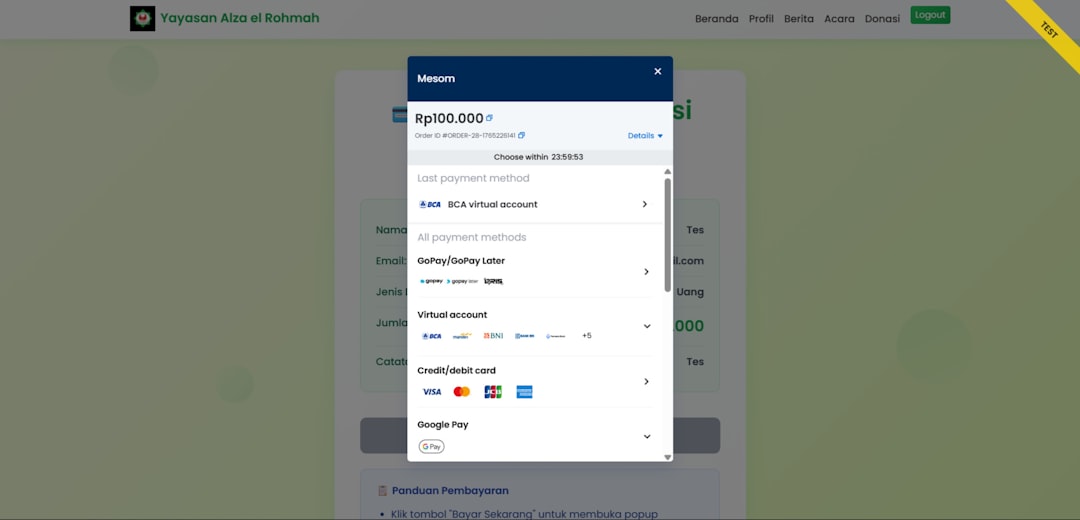
Key Features of a Strong B2B Portal
The best portals usually share several core capabilities:
- Invoice and statement access: Customers can view, download, and filter invoices by date, status, department, or purchase order.
- Integrated payments: Portals support payments by credit card, bank transfer, ACH, wire instructions, or local payment methods.
- Account management: Users can update company information, billing contacts, tax details, shipping addresses, and payment methods.
- Role-based permissions: Finance users, administrators, buyers, and executives can receive different levels of access.
- Subscription or contract visibility: Customers can see renewals, usage, plan details, add-ons, and contract terms.
- Security and compliance: Strong portals include authentication controls, audit logs, PCI-aware payment flows, and data privacy protections.
Top B2B Customer Portals to Consider
1. Stripe Billing Customer Portal
Stripe Billing is a popular option for SaaS companies and digital businesses that want a fast way to offer payment and subscription self-service. Its hosted customer portal allows customers to update payment methods, manage plans, view invoices, and pay outstanding balances.
Stripe is especially useful for companies that want a developer-friendly platform with strong payment infrastructure. It supports cards, bank debits, wallets, and international payment methods. While it may not offer the deepest enterprise account hierarchy out of the box, it is highly effective for growing B2B businesses that prioritize clean payments and subscription workflows.
2. Chargebee
Chargebee is designed for subscription businesses that need billing automation, self-service, and revenue operations in one platform. Its customer portal supports invoice viewing, payment updates, subscription changes, cancellations, renewals, and account information management.
For B2B SaaS companies, Chargebee is strong because it handles complex pricing models, trials, coupons, add-ons, and recurring billing. It also integrates with CRM, accounting, analytics, and tax tools. Companies with a high volume of subscription changes often benefit from giving customers more control inside the portal.
3. Zuora
Zuora is often selected by larger enterprises with complex subscription, consumption, and recurring revenue models. Its customer portal capabilities are typically used alongside Zuora Billing, Zuora Payments, and related revenue tools.
Zuora is a strong fit for organizations that manage complicated pricing structures, multi-entity billing, global collections, and contract-based relationships. It may require more implementation effort than simpler platforms, but it provides enterprise-grade flexibility for companies with mature finance operations.

4. Salesforce Experience Cloud with Revenue Cloud
Salesforce Experience Cloud can be used to build branded B2B customer portals that connect sales, service, commerce, and account data. When paired with Salesforce Revenue Cloud or integrated billing and payment systems, it can provide a powerful account management experience.
This approach is particularly useful for businesses already using Salesforce as their CRM. Customers can log in to view account information, open cases, access knowledge articles, review quotes, manage renewals, and interact with sales or support teams. Payment and billing features usually depend on connected systems, but the portal experience can be highly customized.
5. NetSuite Customer Center and SuiteCommerce Solutions
Oracle NetSuite offers customer portal and commerce capabilities that are valuable for B2B companies already running NetSuite ERP. Customers can access account information, check order history, view invoices, make payments, and manage transactions tied to ERP records.
NetSuite is particularly relevant for wholesalers, distributors, manufacturers, and service providers that need billing and payments linked directly to inventory, financials, and order management. Because data flows through the ERP, finance teams can reduce duplicate entry and keep customer account information more consistent.
6. Billtrust
Billtrust focuses heavily on B2B accounts receivable automation. Its customer-facing capabilities help companies present invoices, accept digital payments, manage collections, and improve cash application processes.
Billtrust is a strong choice for businesses where the main portal priority is electronic invoicing and payment acceleration. It is commonly used by companies with large invoice volumes, complex buyer payment preferences, and a need to reduce days sales outstanding. For finance-led portal projects, it deserves serious consideration.
7. Maxio
Maxio, formed from SaaSOptics and Chargify, serves B2B SaaS companies that need subscription billing, revenue reporting, and customer lifecycle visibility. Its portal and billing tools support subscription management, invoicing, collections, and financial reporting.
Maxio is most relevant when the business needs both customer-facing billing tools and internal SaaS metrics such as ARR, MRR, churn, and revenue recognition support. It is often appealing to finance teams that want operational control over recurring revenue.
How Companies Should Choose the Right Portal
The best choice depends on business model, customer complexity, and internal systems. A fast-growing SaaS company may prefer Stripe Billing or Chargebee because they are quick to deploy and subscription-friendly. A global enterprise with complex revenue rules may lean toward Zuora or Salesforce-based portals. A distributor or manufacturer already using ERP may find NetSuite or Billtrust more practical.
Before selecting a platform, decision-makers should evaluate how customers actually interact with billing and account information. If 60% of support tickets involve invoice copies, payment status, or billing contact updates, then self-service invoice access and payment controls should be prioritized. If customers frequently add seats, upgrade plans, or manage multiple departments, then role permissions and subscription management should rank higher.

Common Implementation Considerations
Even the best platform requires thoughtful implementation. Companies should define which users can view invoices, which users can pay, and which users can change contract or subscription details. Security settings, tax data, payment terms, and approval workflows should be tested carefully before launch.
Branding also matters. A portal that feels disconnected from the company’s main website can make customers hesitate, especially when payments are involved. Clear navigation, visible support options, and confirmation messages help build trust. The most successful portals usually combine automation with a human fallback, such as live chat, a support form, or an account manager contact.
Final Thoughts
B2B customer portals are no longer optional for companies that want efficient billing and strong customer relationships. The right platform can reduce manual finance work, speed up collections, and give customers the transparency they expect. Whether a company chooses Stripe, Chargebee, Zuora, Salesforce, NetSuite, Billtrust, or Maxio, the goal remains the same: make billing, payments, and account management easier for everyone involved.
FAQ
What is a B2B customer portal?
A B2B customer portal is a secure online space where business customers can manage account details, view invoices, make payments, access documents, and interact with the vendor.
Which B2B portal is best for SaaS billing?
For SaaS businesses, Stripe Billing, Chargebee, Zuora, and Maxio are common choices. The best fit depends on subscription complexity, reporting needs, and integration requirements.
Can a portal reduce late payments?
Yes. When customers can easily find invoices, update payment methods, and pay online, payment delays often decrease. Automated reminders and self-service payment links can further improve collections.
What features are most important in a B2B billing portal?
The most important features are invoice access, secure payments, account updates, role-based permissions, payment history, subscription or contract visibility, and integration with accounting or ERP systems.
Should a company build or buy a customer portal?
Most companies benefit from buying or configuring an established platform because billing and payment security are complex. A custom build may make sense only when highly specific workflows or deep system integrations are required.