


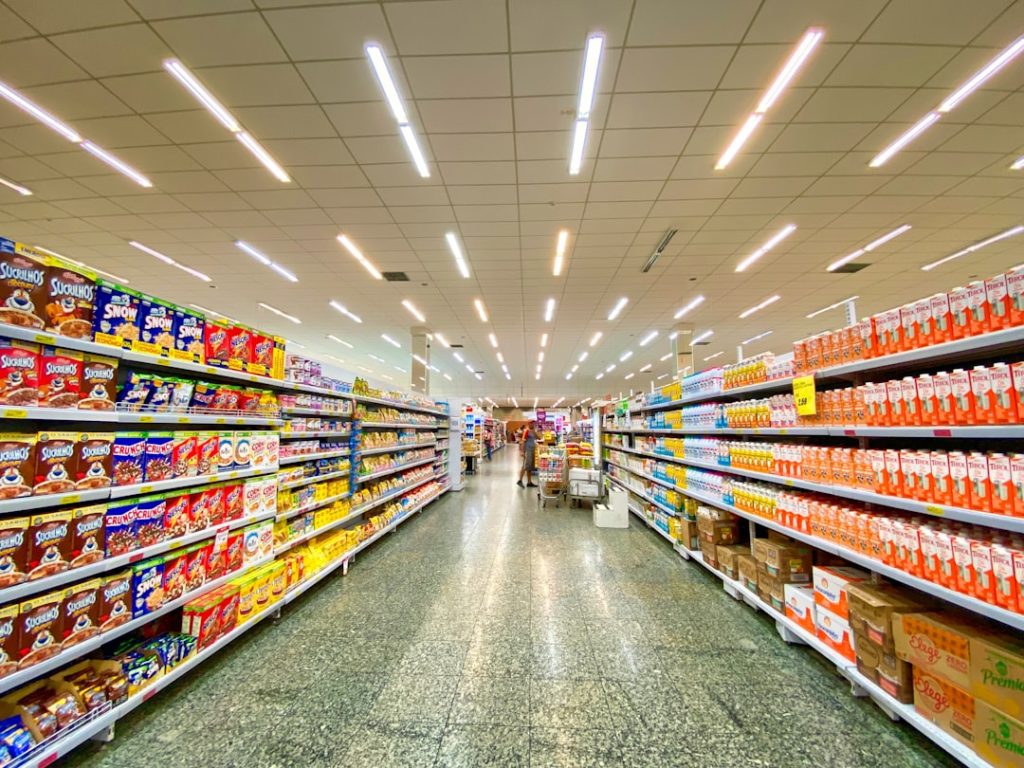
The way we shop for groceries and essentials has undergone a massive transformation over the past century. From humble corner stores to sprawling warehouse-style supermarkets, the journey of supermarket shopping mirrors advancements in technology, changes in consumer behavior, and the growing demand for convenience and efficiency.
TL;DR
Modern supermarkets are a product of decades of innovation, shifting from simple food stores to intricate ecosystems powered by data, automation, and consumer-centric technology. Today’s smart shopping experience combines personalization, sustainability, and digital integration to meet evolving consumer needs. From self-checkouts to mobile apps and AI-driven analytics, supermarkets have embraced change in striking ways. This article explores the evolution, trends, and future of smart supermarket shopping.
The Birth of the Supermarket
Supermarkets as we know them today originated in the early 20th century. The concept was revolutionary: a self-service grocery store where customers could choose their products, compare brands, and pay at a centralized checkout. Clarence Saunders’ Piggly Wiggly store, opened in 1916 in Memphis, Tennessee, is often credited as the world’s first true supermarket.
This model offered several advantages over traditional, clerk-assisted stores:
- Lower operational costs due to reduced personnel needs
- Faster service, as shoppers served themselves
- Greater product variety under one roof
By the mid-20th century, supermarkets had become a staple in urban and suburban settings, shaping the way entire societies approached food shopping.
Digital Disruption and the Rise of Smart Shopping
In the 21st century, technology began to change the supermarket landscape dramatically. With the Internet, mobile apps, smart devices, and big data, grocery chains found new ways to engage with consumers.
Key Technological Advancements:
- Self-checkout machines: First appearing in the late 1990s, these kiosks allow customers to scan and pack items independently. This speeds up the process and reduces staffing needs.
- Mobile-based shopping lists: Apps like Instacart, Flipp, and individual store apps help users organize items, check for deals, and even get product suggestions based on previous purchases.
- Digital coupons and loyalty programs: These are now entirely app-based, with real-time updates and AI-driven recommendations delivering offers customized to consumers’ past purchases.
Beyond gadgets, artificial intelligence has entered the picture in full force. Retailers analyze data from shopping behavior, in-store movements, and even local events to forecast purchase trends and optimize inventory.
Online Grocery Shopping and Delivery Services
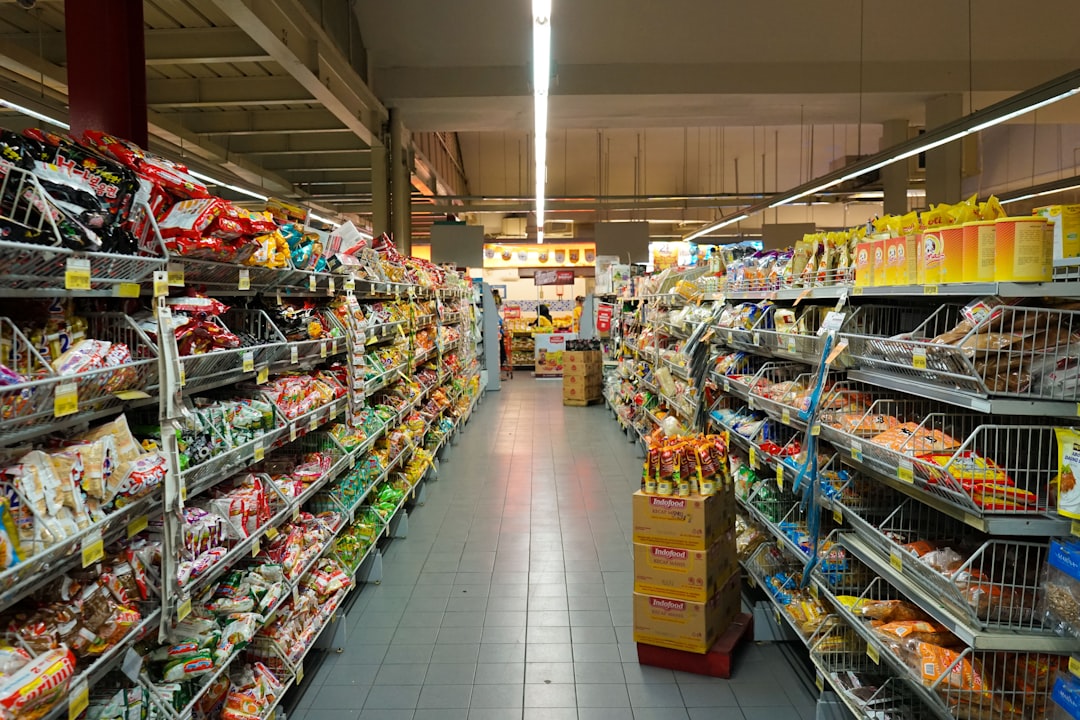
Another significant transformation is the rise of online grocery shopping. What started as a niche service has now become mainstream, partly fueled by the COVID-19 pandemic. Services like Amazon Fresh, Walmart+, and third-party platforms such as Instacart or Shipt have made ‘click-and-collect’ and home delivery a viable, sometimes preferred, shopping method.
Benefits of online grocery shopping include:
- Convenience: Shop anytime from home, work, or even on the go
- Time-saving: No need to walk down aisles or wait in checkout lines
- Personalization: AI algorithms recommend items based on your preferences and dietary needs
Grocery chains have heavily invested in order fulfillment technologies such as robotic warehouses, vertical storage systems, and route optimization software to make delivery as efficient and cost-effective as possible.
Sustainability Enters the Aisles
Modern consumers are not just focused on price and convenience—they’re increasingly concerned about sustainability. This concern drives both product selection and how supermarkets operate.
Innovations in Sustainability:
- Reusable packaging: Some chains offer refill stations for dry goods and liquids to reduce packaging waste.
- Food waste reduction: AI tools help forecast demand more precisely, aiding in stocking decisions to minimize expired goods.
- Local sourcing: More stores are partnering with local farmers and food artisans to reduce carbon emissions associated with long-haul transportation.
Behind the scenes, energy-efficient lighting, smart refrigeration, and reduced plastic use also point to a greener supermarket revolution.
Interactive and Personalized Shopping Experiences
Today’s supermarket isn’t just a place to buy food—it’s a whole experience. Silent product recommendations, dietary filters, and AR-based apps that offer detailed product information are quietly transforming how people shop.
Here are some examples of personalized supermarket experiences:
- Smart carts that can scan items, calculate totals, and provide recipe ideas as users shop
- Wearables and mobile apps integrated with user’s dietary goals for real-time product suggestions
- Beacon technology that pushes location-based deals directly to users’ smartphones as they walk through different aisles
Shopping is evolving from a task into something more proactive and even enjoyable. These technologies gamify the experience, subtly nudging healthier and more sustainable choices.
The Role of Big Data
The backbone of smart supermarkets is data—lots of it. Every time a customer scans a loyalty card, uses an app, or completes an online order, new data is collected. This data is analyzed to:
- Optimize shelf space based on high-traffic patterns
- Improve promotions by anticipating demand cycles
- Build customer profiles to offer hyper-personalized experiences
While this raises some privacy concerns, transparency around data use is improving, with most apps now including customization options for what’s shared and why.
Future Trends to Watch
Where do we go from here? Many innovations are already being piloted or refined in select cities and high-tech flagship stores. These include:
- Cashierless stores powered by sensors and AI cameras, such as Amazon Go
- Voice-activated shopping lists synced between household members
- Drone and robotic delivery services for rapid home deliveries
- Blockchain-enabled supply chains for transparency and traceability of food products
These futuristic features emphasize speed, transparency, and ultra-personalization. For instance, blockchain can revolutionize how we verify the origin of food, crucial for safety and authenticity in today’s globalized consumption model.
Conclusion: Smarter Supermarkets for a Smarter Shopper
The supermarket of today blends the best of traditional values—variety, affordability, and access—with modern tech-driven capabilities. Shoppers are increasingly equipped with tools and insights to make smarter decisions, and retailers are matching that speed with smarter supply chains, innovative experiences, and agile operations.
In many ways, we’re just getting started. As consumers become more tech-savvy and socially conscious, supermarkets will continue evolving to keep up. Whether it’s through environmental responsibility, digital transformation, or next-gen shopping experiences, one thing is sure: the age of smart shopping has officially arrived.