


Substain is a sustainability management platform designed to help organizations turn environmental, social, and governance work into measurable, reportable, and actionable programs. Instead of treating sustainability as a once-a-year reporting exercise, the platform supports ongoing data collection, performance tracking, stakeholder communication, and strategic planning across departments, facilities, suppliers, and leadership teams.
TLDR: Substain helps companies centralize sustainability data, track ESG performance, and prepare more reliable reports for management, investors, customers, and regulators. For example, a manufacturing company with 12 sites could use the platform to identify that three facilities produce 48% of total energy-related emissions, then prioritize efficiency projects where they will have the largest impact. The platform is most useful for organizations that need better visibility into carbon, resource use, supplier performance, and sustainability targets. It combines data management, analytics, and reporting workflows in one system.
What Is the Substain Platform?
At its core, Substain is built to solve a common business problem: sustainability data is often scattered across spreadsheets, utility bills, procurement systems, HR files, supplier questionnaires, and internal reports. This makes it difficult to answer basic but important questions such as: How much carbon are we emitting? Which locations are improving? Are we on track to meet our sustainability targets?
The platform brings these data points into a structured digital environment. Teams can collect information, categorize it, validate it, compare performance over time, and convert raw numbers into dashboards and reports. This approach is especially valuable for companies facing rising expectations around ESG transparency, climate risk, responsible sourcing, and regulatory disclosure.
Key Features of Substain
Substain’s feature set is typically centered on making sustainability management more organized, collaborative, and evidence-based. While exact capabilities may vary depending on configuration, the platform can be understood through several major functions.
- ESG data collection: The platform helps organizations gather environmental, social, and governance data from multiple departments, business units, and external partners. This can include emissions, energy consumption, water use, waste, employee metrics, supplier information, and compliance documents.
- Carbon accounting: Substain supports the tracking of greenhouse gas emissions, including common categories such as Scope 1, Scope 2, and relevant Scope 3 emissions. This allows businesses to identify major emission sources and develop reduction plans.
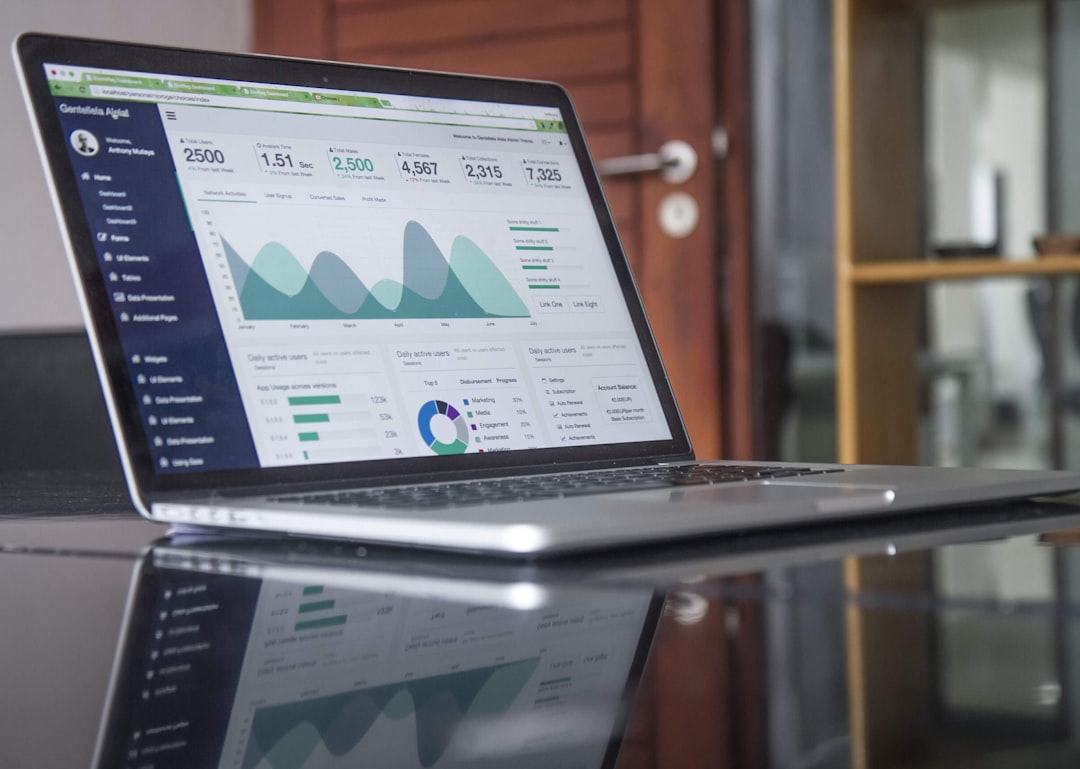
- Dashboards and KPIs: Users can monitor sustainability indicators through visual dashboards. These may show year-over-year emissions, progress toward targets, energy intensity, recycling rates, supplier ratings, or other key metrics.
- Reporting workflows: The platform can simplify preparation for sustainability reports, ESG disclosures, internal management updates, and customer questionnaires by organizing data and documentation in one place.
- Goal and action tracking: Companies can set targets, assign responsibilities, and follow the progress of sustainability initiatives. This helps move sustainability from strategy documents into daily operational work.
- Supplier and value chain management: For organizations with complex supply chains, Substain can help assess supplier sustainability performance, collect supplier data, and identify areas of risk or improvement.
Why Platforms Like Substain Matter
Sustainability has moved from a communications topic to a business management priority. Investors want comparable ESG information, customers ask for carbon data, regulators are increasing disclosure requirements, and employees expect employers to act responsibly. In this environment, manual spreadsheets are often too slow, inconsistent, and error-prone.
A platform like Substain creates a more reliable foundation. It helps teams reduce duplication, standardize data formats, and maintain an audit trail. This is particularly important when sustainability claims must be supported by evidence. A company that says it reduced emissions by 20%, for example, needs to explain where the data came from, how it was calculated, and whether the reduction is linked to real operational changes.
Sustainability Use Cases
Substain can be applied across many industries, from manufacturing and retail to real estate, logistics, technology, and professional services. The most common use cases involve measuring impact, improving performance, and communicating results clearly.
1. Carbon Footprint Management
One of the most important use cases is carbon footprint measurement. A company can use Substain to collect fuel consumption, electricity usage, business travel activity, freight data, and supplier inputs. Once the emissions profile is visible, leaders can prioritize actions such as renewable electricity purchasing, route optimization, process efficiency, or equipment upgrades.
For example, if data shows that purchased electricity accounts for 35% of a company’s operational emissions, switching to renewable power may become a high-impact priority. If logistics emissions are rising faster than revenue, the company may focus on carrier selection, shipment consolidation, or lower-carbon transport options.

2. ESG Reporting and Disclosure Readiness
Many organizations face increasing pressure to produce ESG reports that are not only attractive but also consistent, complete, and defensible. Substain can help by organizing metrics, supporting internal review processes, and making it easier to reuse verified data across different reporting needs.
This is useful for annual sustainability reports, investor responses, customer procurement questionnaires, certification processes, and internal board reporting. Instead of rebuilding the same numbers every time, teams can work from a centralized source of sustainability information.
3. Supplier Sustainability Assessment
For companies with significant indirect emissions or supply chain risks, supplier engagement is essential. Substain can support supplier questionnaires, data requests, performance scoring, and follow-up actions. This helps procurement teams move beyond price and delivery criteria to include sustainability performance in supplier evaluation.
A retailer, for instance, may discover that 60% of product-related emissions come from a relatively small group of suppliers. With that insight, it can focus engagement on high-impact suppliers, request reduction plans, and encourage better materials, energy use, or logistics practices.
4. Resource Efficiency and Cost Reduction
Sustainability software is not only about compliance or reputation. It can also reveal financial opportunities. Tracking energy use, water consumption, and waste generation across sites can uncover inefficiencies that directly affect costs.
A hotel group might use Substain to compare electricity use per occupied room across its properties. If one location uses 25% more energy than similar sites, facility teams can investigate HVAC settings, lighting, insulation, or maintenance practices. In this way, sustainability analytics can support both environmental and operational improvements.
5. Internal Accountability and Collaboration
Sustainability programs often fail when responsibility is unclear. Substain can help assign actions, track deadlines, and keep departments aligned. Finance may own parts of reporting, facilities may manage energy projects, procurement may handle suppliers, and HR may contribute social data. A shared platform improves coordination and reduces the risk that sustainability work depends on one person’s spreadsheet.

Company Profile: Positioning and Audience
Substain can be described as a company focused on helping organizations manage sustainability performance through digital tools, data visibility, and structured ESG processes. Its target users are typically sustainability managers, ESG teams, operations leaders, procurement departments, finance teams, and executives who need clear insight into climate and sustainability progress.
The platform is especially relevant for mid-sized and larger organizations that have outgrown manual sustainability tracking. These companies often operate across multiple locations, work with many suppliers, or need to respond to external reporting expectations. Substain’s value lies in helping them bring consistency and discipline to sustainability management without losing sight of practical business needs.
Its market position reflects a broader shift in corporate sustainability: companies no longer want isolated reporting tools; they want systems that connect goals, actions, data, and decisions. In that sense, Substain fits into the growing category of ESG and sustainability performance platforms that support both compliance and transformation.
Strengths and Considerations
The main strength of Substain is its ability to centralize sustainability work and make performance more transparent. By connecting data with dashboards, targets, and reporting workflows, it can help organizations replace fragmented processes with a more mature management system.
However, as with any sustainability platform, success depends on implementation quality. Companies should define ownership, confirm data sources, train users, and establish clear reporting rules. Software can improve accuracy and efficiency, but it cannot replace strong governance, leadership commitment, and a realistic sustainability strategy.
Final Thoughts
Substain offers a practical approach to sustainability management by combining data collection, carbon accounting, ESG reporting, supplier engagement, and performance tracking. For organizations that need to move from scattered information to structured decision-making, the platform can provide a clearer view of impact and progress.
As sustainability expectations continue to rise, tools like Substain are becoming part of the modern business infrastructure. They help companies understand where they stand, decide where to act, and communicate results with greater confidence. Most importantly, they turn sustainability from an abstract ambition into a measurable, manageable, and continuously improving business function.