



In the rapidly evolving world of digital education, engagement is the golden key that unlocks meaningful learning. As classrooms become increasingly technology-driven, educators are searching for creative ways to capture students’ attention while maintaining academic rigor. One solution that has gained significant traction is the integration of games within learning management systems, particularly Schoology. By blending structured coursework with interactive play, Schoology games offer a powerful and dynamic pathway to student engagement.
TL;DR: Schoology games transform traditional digital classrooms into interactive learning environments that boost motivation, participation, and retention. By incorporating quizzes, challenges, simulations, and collaborative competitions, teachers can make lessons more engaging without sacrificing academic depth. These gamified strategies encourage critical thinking, teamwork, and self-directed learning. When used thoughtfully, Schoology games create a balanced blend of fun and educational effectiveness.
Education has long wrestled with a central question: how can teachers maintain student interest while delivering meaningful instruction? Today’s learners are accustomed to interactive media, instant feedback, and immersive digital experiences. Traditional homework assignments and static discussion boards can struggle to compete with that reality. Gamification—the application of game elements in non-game contexts—bridges this gap by integrating motivation, competition, achievement, and reward systems into structured coursework.
Understanding Gamification in Schoology
Gamification within Schoology goes beyond simply playing games during class time. Instead, it involves embedding game-based mechanics directly into lessons. Teachers can incorporate:
- Point systems to reward participation and achievement
- Badges for mastery of specific skills
- Timed challenges to build excitement and urgency
- Interactive quizzes with instant feedback
- Collaborative competitions between groups or classes
These elements transform routine assignments into dynamic learning experiences. Rather than passively consuming information, students actively engage with content in ways that feel meaningful and enjoyable.
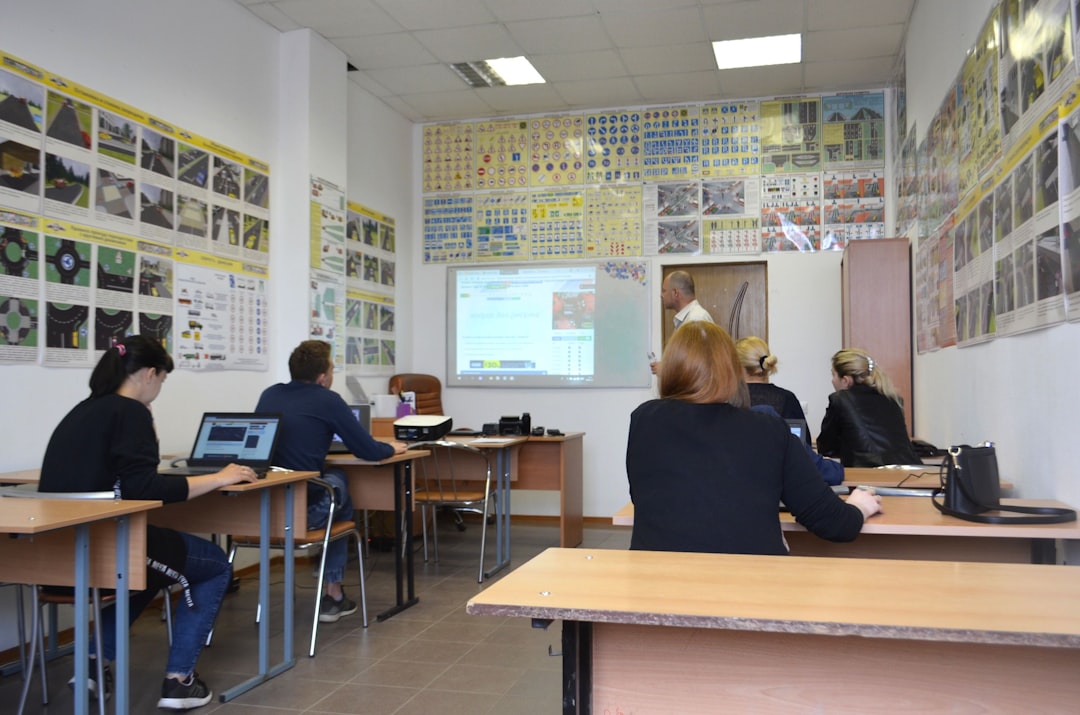
Research supports the effectiveness of gamified learning environments. Studies show that game-based learning can increase retention rates, improve problem-solving skills, and boost intrinsic motivation. This is because games trigger psychological responses linked to achievement and progress, encouraging students to persist even when tasks become challenging.
Why Schoology Is Ideal for Game-Based Learning
Schoology’s structure makes it especially suited for gamified instruction. As a comprehensive learning management system (LMS), it centralizes assignments, discussions, assessments, and analytics. This integration allows educators to seamlessly embed game mechanics without disrupting workflow.
Some of Schoology’s standout features that support gaming strategies include:
- Assessment tools that allow for auto-graded quizzes and immediate feedback
- Discussion boards that can be turned into debate-style competitions
- Gradebook transparency so students can track progress like leveling up
- Third-party integrations with platforms such as Kahoot, Quizizz, and Gimkit
Because everything is housed within one ecosystem, teachers can manage gameplay elements alongside academic content efficiently. The result is not chaotic play, but structured engagement aligned with curriculum goals.
Types of Schoology Games That Drive Engagement
There is no one-size-fits-all approach to game-based learning. Different subjects and age groups benefit from different styles of gameplay. Below are several powerful formats educators frequently use within Schoology:
1. Competitive Quiz Battles
Teachers can create timed quizzes where students compete individually or in teams for top scores. Leaderboards encourage healthy competition while reinforcing essential concepts. These are particularly effective for:
- Vocabulary review
- Math fact fluency
- Science concept checks
- History dates and events
The key is balancing competition with encouragement so that all learners feel motivated rather than discouraged.
2. Digital Escape Rooms
Escape rooms challenge students to solve a series of puzzles using academic skills. Within Schoology, teachers can design sequential folders where each completed task unlocks the next clue. These activities build:
- Critical thinking
- Collaboration
- Time management
- Creative problem-solving

Digital escape rooms are particularly effective because they transform ordinary review sessions into narrative-driven adventures. The storyline adds depth and immersion, making learning memorable.
3. Simulation Games
Simulations allow students to step into real-world roles. In social studies, learners might run a mock government. In economics, they may manage a virtual business. In science, they can simulate environmental decision-making. Schoology’s assignment submissions and discussion features make it easy to document progress and reflections.
Simulations foster deeper cognitive engagement because students apply knowledge in authentic contexts rather than simply recalling facts.
4. Mastery-Based Leveling Systems
Some educators design their courses like video games, where each completed module represents a “level.” Students must demonstrate mastery before unlocking the next stage. This approach:
- Encourages self-paced learning
- Reduces anxiety around traditional grading
- Reinforces competency-based progression
The sense of leveling up taps into intrinsic motivation, especially for students who thrive on achievement milestones.
The Psychological Power of Play
Games naturally incorporate elements that psychologists associate with strong motivation. These include:
- Clear goals
- Immediate feedback
- Incremental progress
- Reward systems
- Autonomy and choice
When these elements are woven into academic tasks, students often experience what researchers call flow—a state of deep focus and enjoyment. In this state, learners lose track of time and become fully immersed in the task at hand. Schoology games, when thoughtfully designed, can create these powerful educational moments.

Balancing Fun with Academic Rigor
While games can energize classrooms, they must remain grounded in learning objectives. Effective Schoology games share several characteristics:
- They align directly with curriculum standards.
- They include measurable outcomes.
- They encourage higher-order thinking.
- They provide opportunities for reflection.
Reflection is particularly important. After completing a game, students should discuss what strategies worked, what concepts were reinforced, and where misunderstandings occurred. This metacognitive step transforms gameplay into deeper learning.
Encouraging Collaboration Through Game Design
One of the most compelling aspects of Schoology games is their ability to foster collaboration. Many digital games emphasize teamwork rather than individual competition. Teachers can create small group challenges where students collectively solve problems or earn points.
Collaborative game-based learning builds essential soft skills such as:
- Communication
- Conflict resolution
- Leadership
- Adaptive thinking
In an increasingly interconnected world, these skills are just as important as academic knowledge.
Practical Tips for Implementing Schoology Games
Educators interested in integrating games into Schoology can start small. Here are practical steps to ensure success:
- Start with a single unit. Pilot a gamified approach before redesigning an entire course.
- Set clear expectations. Explain objectives and rules to avoid confusion.
- Use data analytics. Leverage Schoology’s tracking tools to monitor effectiveness.
- Gather student feedback. Ask learners which formats feel most engaging.
- Iterate and improve. Treat course design like an evolving game itself.
By gradually implementing these strategies, teachers can build sustainable systems that enhance learning without overwhelming themselves or their students.
Looking Ahead: The Future of Game-Based Learning
As educational technology continues to evolve, the role of game-based learning within platforms like Schoology is likely to expand. Emerging technologies such as augmented reality, adaptive learning algorithms, and artificial intelligence may soon personalize gaming experiences even further.
Imagine a Schoology course where:
- AI adjusts difficulty levels in real time,
- Students earn digital credentials recognized beyond the classroom,
- Immersive storytelling connects multiple subjects into one interactive narrative.
These innovations could redefine what engagement looks like in K–12 and higher education settings alike.
Conclusion
Schoology games represent far more than a trend—they embody a shift in how educators think about motivation, participation, and learning design. By integrating competitive quizzes, simulations, escape rooms, and mastery-based progression systems, teachers can turn digital classrooms into vibrant ecosystems of exploration.
When thoughtfully implemented, gamification does not dilute academic standards; it enhances them by aligning instruction with the way modern students interact with the world. The dynamic blend of challenge, reward, and collaboration transforms passive learning into active discovery. In today’s educational landscape, Schoology games offer a compelling pathway toward classrooms that are not only productive but truly energized.