


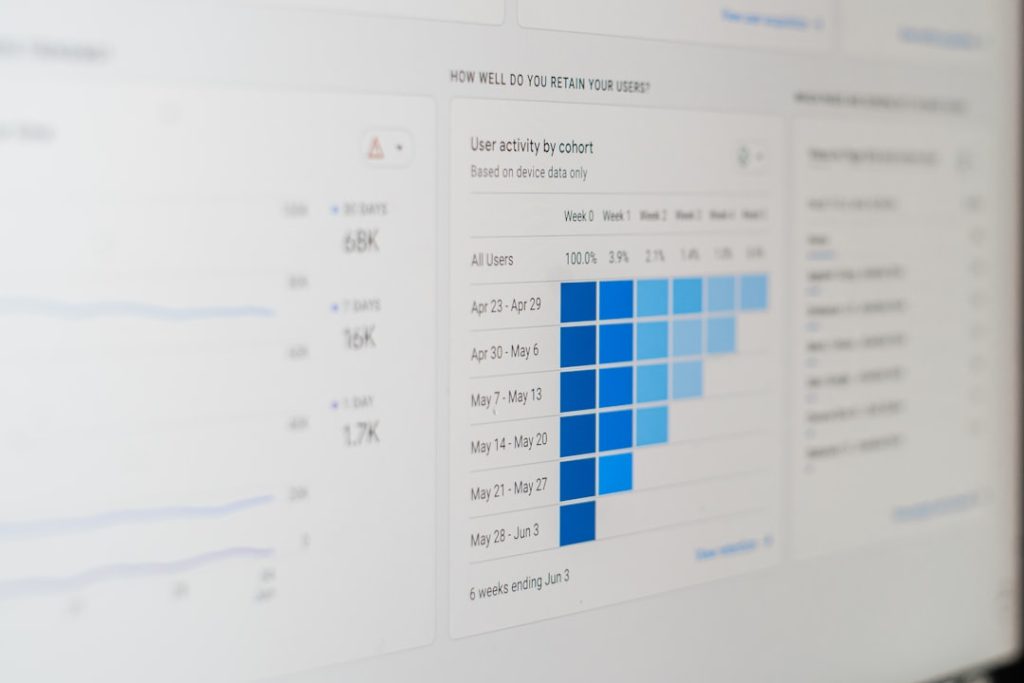
Quick Response codes, commonly known as QR codes, have evolved far beyond simple black-and-white squares that link to a website. Today, advanced QR code creation tools offer dynamic tracking, design customization, interactive experiences, analytics dashboards, integrations with marketing platforms, and even AI-powered personalization. Businesses, educators, and creators now rely on sophisticated QR solutions to drive engagement, gather data, and streamline operations in both digital and physical spaces.
TLDR: Modern QR code creation tools go far beyond basic URL linking. They offer dynamic editing, advanced analytics, branding customization, CRM integration, secure data handling, and interactive media capabilities. Businesses use these tools to track campaigns, personalize user journeys, and collect insights in real time. Choosing the right tool depends on scalability, integration needs, security requirements, and design flexibility.
The transformation of QR code technology has been driven by the increasing demand for smarter marketing, touchless interactions, and measurable campaign performance. What once served as a simple redirect mechanism is now a powerful gateway connecting offline audiences to rich digital experiences. Advanced platforms allow users to edit content without reprinting codes, track scan behavior, integrate with third-party systems, and even create multi-step engagement funnels.
From Static to Dynamic: A Major Shift
Traditional QR codes are static, meaning the data embedded within them cannot be changed once generated. If the destination URL changes, a new code must be printed and redistributed. Modern tools, however, focus heavily on dynamic QR codes.
Dynamic QR codes store a short redirect link instead of fixed data. This allows creators to modify the destination content without altering the printed design. For marketing campaigns, event management, and product packaging, this flexibility significantly reduces cost and waste.
- Editable destinations after printing
- Real-time analytics on scans
- Campaign retargeting capabilities
- A/B testing for performance optimization
This shift has positioned advanced QR platforms as essential tools for agile marketing teams.
Advanced Customization and Branding
Basic QR generators often produce generic black-and-white codes. In contrast, modern tools prioritize brand alignment. Companies can now integrate logos, adjust color palettes, modify shapes, and create visually appealing frames with calls-to-action embedded directly around the code.
These design capabilities are more than cosmetic enhancements. Studies have shown that branded QR codes can significantly improve scan rates because they appear trustworthy and aligned with a company’s identity.
Advanced customization features often include:
- Logo embedding inside the code
- Custom eye patterns and shapes
- Gradient color schemes
- Pre-designed campaign frames with messaging
- High-resolution export options for large-format printing
Such flexibility allows QR codes to become intentional design assets rather than functional afterthoughts.
Analytics and Data Intelligence
One of the most transformative developments in QR code tools is robust analytics tracking. Businesses can now monitor detailed scan metrics that provide actionable insights.
Modern dashboards typically provide:
- Total scans and unique scans
- Geographic location data
- Device type and operating system
- Time and date breakdowns
- Conversion tracking when integrated with analytics platforms
This level of insight allows organizations to measure the ROI of print materials, product packaging, event signage, and outdoor advertising campaigns.
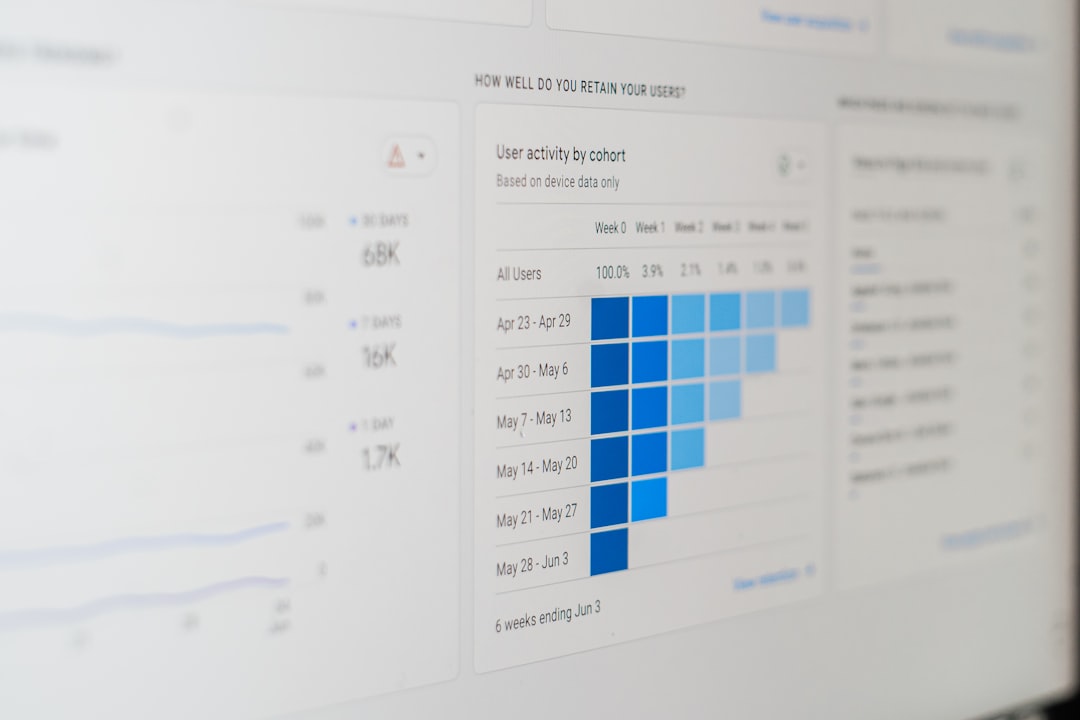
Some advanced tools integrate directly with Google Analytics, Meta Pixel, CRM systems, and email marketing platforms. This ensures scan data can be tied directly to customer journeys and revenue generation.
Interactive and Multimedia Experiences
Beyond website linking, many sophisticated QR creation tools allow users to build interactive landing pages within the platform itself. These may include:
- Mobile-optimized video pages
- Digital business cards
- Feedback and survey forms
- PDF downloads
- Menu displays for restaurants
- Event registration forms
Instead of directing users to external links, creators can design hosted microsites that provide seamless, branded interactions. This reduces friction and improves engagement rates.
Educational institutions use these features to create digital resource hubs. Restaurants deploy them as interactive menus with images and dietary filters. Retailers leverage them for product tutorials, warranty registrations, and customer reviews.
Security and Compliance Features
As QR adoption increased, so did concerns about misuse and phishing. Advanced QR code platforms now integrate security-focused features designed to protect users and organizations.
Security enhancements may include:
- Password-protected QR codes
- Scan authentication layers
- Expiration dates and time-based activation
- GDPR compliance tools
- Encrypted data storage
For industries such as healthcare, finance, and government, these capabilities are not optional but essential. Secure QR codes can enable document sharing while maintaining regulatory compliance.
Automation and API Integration
Cutting-edge QR code tools provide API access for large-scale generation and system integration. This is critical for enterprises that need to deploy thousands of unique QR codes across product lines, packaging, or logistics chains.
Examples of automation use cases include:
- Generating unique codes for serialized product packaging
- Linking QR codes to inventory tracking systems
- Automating digital ticket creation for events
- Embedding customer-specific URLs for personalized promotions

Through API integration, QR code creation becomes part of a broader digital ecosystem rather than an isolated marketing tool.
Comparison of Leading Advanced QR Code Tools
| Feature | Basic Generators | Mid Tier Tools | Enterprise Platforms |
|---|---|---|---|
| Dynamic Editing | No | Yes | Yes with bulk editing |
| Analytics Dashboard | Limited or none | Standard metrics | Advanced real time analytics |
| Brand Customization | Minimal | Logo and color options | Full design control and templates |
| API Access | No | Limited | Full integration support |
| Security Controls | Basic | Password protection | Enterprise grade encryption and compliance |
| Campaign Management | No | Basic campaigns | Multi campaign dashboards and retargeting |
This comparison illustrates how organizations must evaluate tools based on scale, analytics depth, and integration needs.
Use Cases Across Industries
Retail: Enhanced product packaging with tutorials, sustainability information, and loyalty rewards.
Hospitality: Contactless menus, room service ordering, and guest satisfaction surveys.
Healthcare: Secure patient information sharing and appointment confirmations.
Education: Interactive assignments, digital portfolios, and campus navigation.
Real Estate: Property listings, virtual tours, and lead generation forms.
These diverse applications show that QR technology is no longer niche. It is foundational to omnichannel engagement strategies.
Key Considerations When Choosing a Tool
Organizations evaluating QR code platforms should consider several critical factors:
- Scalability: Can the system handle growth?
- Data ownership: Who controls collected analytics?
- Integration capability: Does it sync with existing platforms?
- User experience: Is the interface intuitive?
- Support and reliability: What level of customer service is available?
Cost structures also vary widely. Some tools charge per QR code, others per scan volume, and enterprise solutions often operate on subscription tiers with advanced analytics bundled in.
The Future of QR Code Creation
The next wave of development is already emerging. AI-driven QR systems are beginning to personalize landing pages based on scan location, time of day, or customer segmentation data. Augmented reality integration is also expanding, transforming static codes into immersive product experiences.
Additionally, blockchain verification is being explored to authenticate products and prevent counterfeiting. Sustainability tracking through digital product passports is another expanding use case, especially in eco-conscious industries.
As smartphones become even more integrated into daily life, QR codes are poised to act as seamless bridges between physical environments and digital ecosystems.
Frequently Asked Questions (FAQ)
1. What is the difference between a static and dynamic QR code?
A static QR code cannot be edited once created, while a dynamic QR code allows the destination content to be updated without changing the printed code. Dynamic codes also enable tracking and analytics.
2. Are advanced QR code tools expensive?
Pricing varies. Basic tools may be free or low-cost, while mid-tier and enterprise platforms charge subscription fees based on features, scan volume, and analytics capabilities.
3. Can QR codes be secure?
Yes. Advanced tools offer password protection, encrypted storage, expiration settings, and compliance features to ensure safe usage, especially in regulated industries.
4. Do branded QR codes scan as well as standard ones?
When designed correctly and with sufficient contrast, branded QR codes scan just as effectively as standard ones and often achieve higher engagement due to increased trust.
5. How can businesses track QR code performance?
Through built-in analytics dashboards that measure total scans, unique users, geographic data, device types, and time-based metrics. Some tools integrate directly with CRM and marketing automation systems.
6. Can QR codes be integrated into automated systems?
Yes. Enterprise-grade tools provide API access for bulk generation, supply chain management, personalized promotions, and large-scale campaign deployment.
Advanced QR code creation tools have reshaped how organizations interact with audiences in physical spaces. By combining flexibility, analytics, branding, and integration capabilities, they offer far more than simple link sharing. Instead, they function as strategic digital connectors—bringing intelligence, personalization, and measurable results into the offline world.