


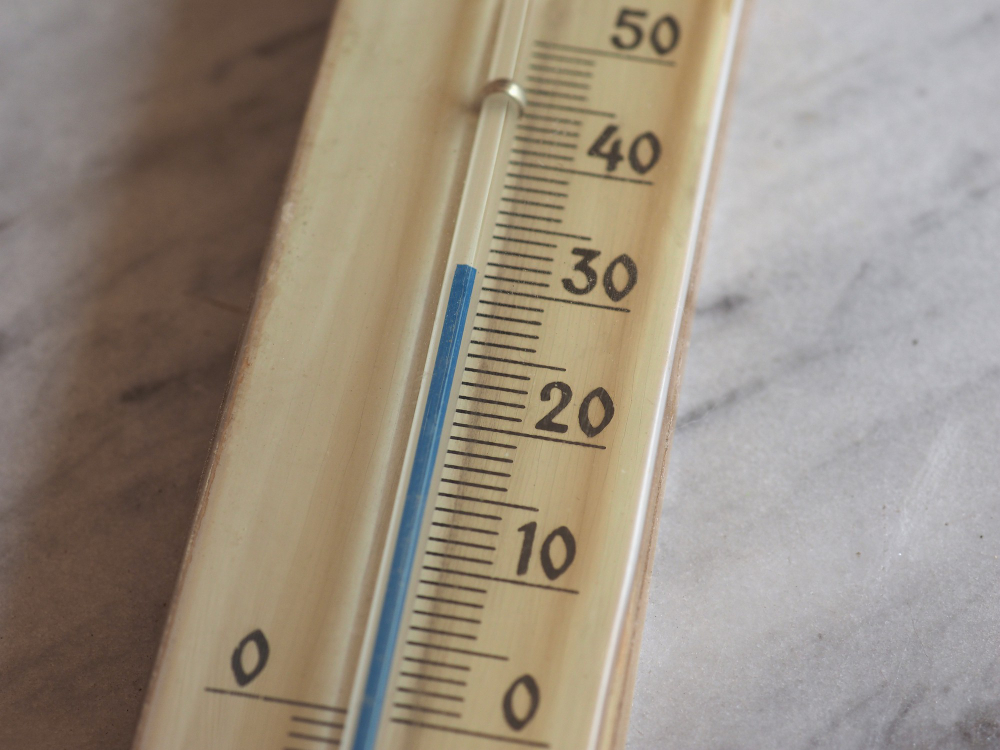
In an age where digital sensors and smart technology dominate the scientific landscape, it might be easy to overlook the humble laboratory thermometer. Yet, when it comes to obtaining accurate and dependable temperature readings, traditional thermometric tools still hold significant relevance. Whether it’s for teaching in classrooms or for executing high-stakes experiments in industrial or pharmaceutical labs, the precision of temperature measurement remains a defining factor in achieving reliable results.
TL;DR: Laboratory thermometers continue to play a vital role in scientific research and industrial applications due to their precision, reliability, and specialization. Despite the rise of digital alternatives, traditional thermometers offer unmatched accuracy in controlled environments. Their consistent readings, traceability, and calibration flexibility make them indispensable for modern science. They are especially crucial in fields like chemistry, pharmacology, and environmental science where precise temperature data is non-negotiable.
The Role of Precision in Scientific Measurement
Temperature plays a critical role in virtually every chemical, biological, or physical process. From reaction kinetics to enzyme activity and material stability, exact temperature readings ensure that systems remain within defined parameters. Even a minor deviation of 0.1°C can lead to skewed results or failed experiments. Laboratory thermometers are designed to offer such precision, giving scientists the confidence necessary for repeatable and validated outcomes.
Why Precision Still Matters
In a world increasingly shaped by digital tools, questions may arise about why analog or specialty lab thermometers remain in use. The answer lies in the meaning of precision—not just the number of decimal places a device can show, but the ability to consistently and reliably provide correct readings. Many advanced digital solutions cannot promise the same level of reliability in certain lab conditions, especially when electromagnetic interference or environmental instability affects sensitive electronics.
Types of Laboratory Thermometers and Their Applications
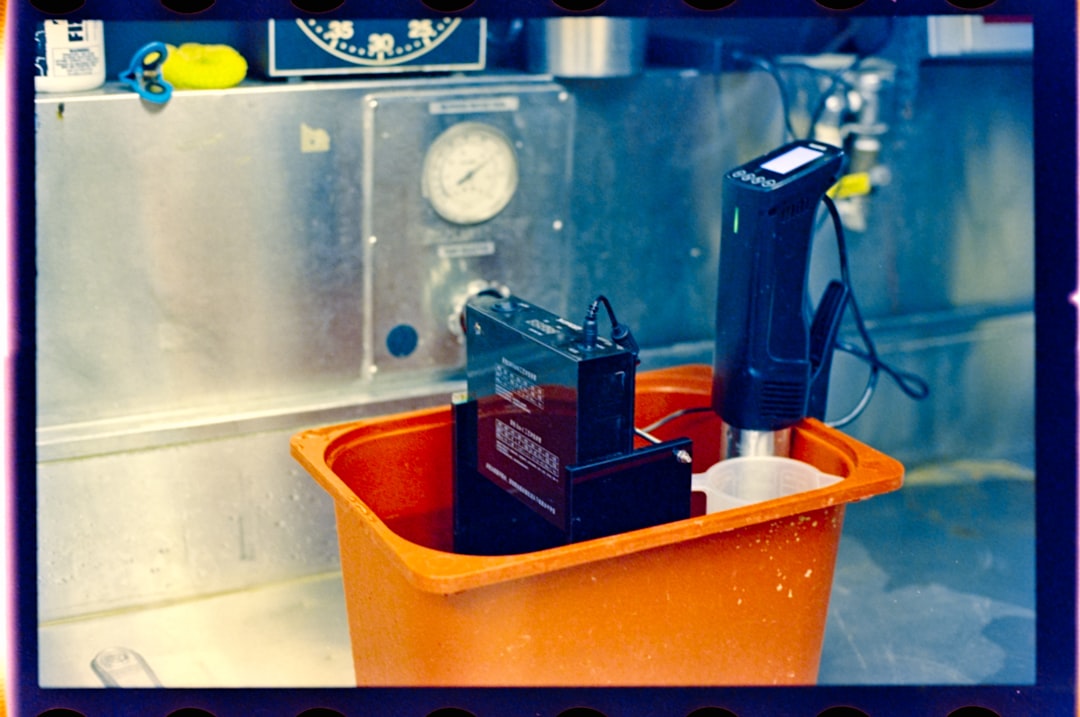
Different laboratory thermometers exist to fulfill specific scientific requirements. Each type is tailored for a range of temperatures, substances, and environmental conditions. Here’s a breakdown of popular varieties:
- Mercury Thermometers: Traditionally known for their high accuracy and stability, they are ideal for high-temperature readings but have environmental concerns related to mercury toxicity.
- Alcohol Thermometers: Safer for general lab use, especially in educational environments. They are better suited for colder temperatures.
- Digital Thermometers: Deliver quick readings and are widely used due to their convenience, though they may lack the precision required in highly controlled scientific settings.
- Thermocouples and RTDs (Resistance Temperature Detectors): Used for highly specialized or industrial environments that require integration with digital data systems.
Advantages of Traditional Laboratory Thermometers
Although digital appliances offer speed and convenience, traditional lab thermometers still bring several unique advantages to the table:
- Calibrated Accuracy: Many traditional thermometers are more easily calibrated than digital versions and conform to international standards such as ASTM, ISO, or NIST.
- Environmentally Independent: No need for batteries or external power sources reduces the risk of data corruption or function failure due to power inconsistencies.
- Granular Precision: The fine scale readings offered by analog devices offer consistently high accuracy within narrow temperature margins.
- Durability and Longevity: With proper care, these thermometers last for years and maintain their accuracy with regular calibration.
Fields That Depend on Temperature Accuracy
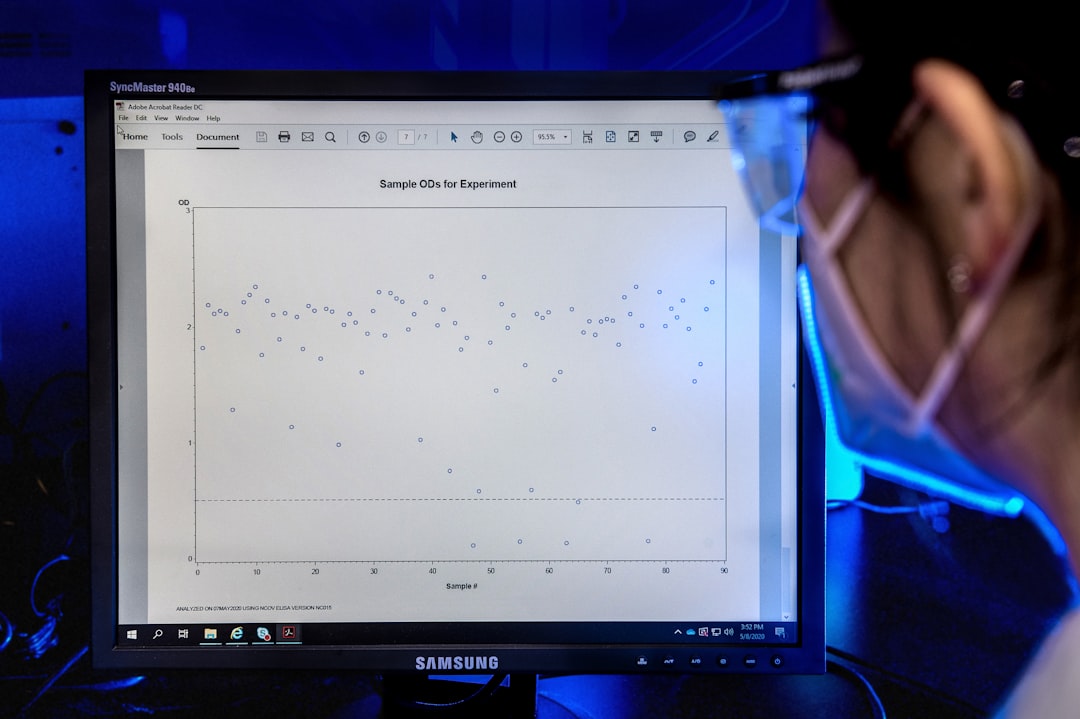
The importance of precise temperature readings is not universal but industry-specific. For instance:
- Chemistry: Reaction rates and outcomes are directly impacted by temperature fluctuations. An exothermic reaction could turn hazardous if not closely monitored.
- Pharmaceuticals: Drug formulation and stability depend on maintaining compounds at exact temperatures during testing and production.
- Environmental Science: Monitoring climate conditions or soil temperatures requires reliable tools especially when placed in remote, harsh environments.
- Food and Beverage Industry: Ensuring the correct pasteurization or fermentation temperatures demands the trustworthiness of analog instruments.
Laboratory Thermometers vs. Digital Sensors
It’s important to compare modern digital sensors and lab thermometers to appreciate why many professionals continue to rely on the latter. Here’s a comparison on key metrics:
| Feature | Digital Sensors | Lab Thermometers |
|---|---|---|
| Power Dependency | Requires battery or power source | None |
| Response Time | Fast | Moderate |
| Calibration | Often fixed or difficult to adjust | Adjustable and traceable |
| Precision | Depends on make and quality | Highly consistent in controlled settings |
| Cost & Maintenance | Higher initial and long-term costs | Lower cost, minimal maintenance |
Maintaining Laboratory Thermometers
Ensuring the longevity and accuracy of lab thermometers requires some best practices:
- Regular Calibration: Annual calibration using certified references guarantees accuracy over time.
- Proper Storage: Keep thermometers in protective cases when not in use, especially those made with fragile materials like glass.
- Immediate Cleaning: Clean thermometers right after exposure to reactive substances to prevent damage.
- Avoid Rapid Temperature Changes: Gradual acclimatization preserves sensitive internal mechanisms and readings.
The Verdict: Why Lab Thermometers Still Count
Despite technological advances, laboratory thermometers remain cornerstone tools in scientific and industrial settings. Their consistent performance, low maintenance, and high precision make them reliable instruments even in modern labs where digital technology is widespread. Their application ranges far and wide, from teaching basic science to performing high-level pharmaceutical research—all areas where temperature accuracy isn’t just beneficial, it’s crucial.
Frequently Asked Questions
-
Q: Are mercury thermometers still used today?
A: Yes, but their use is now limited due to environmental concerns. Some industries still use them for their unmatched precision in controlled settings, but alternatives like alcohol or digital thermometers are preferred in general use. -
Q: How often should laboratory thermometers be calibrated?
A: Ideally, once a year or after any significant event (e.g., dropping the thermometer), especially if it’s used for critical measurements. -
Q: Can digital thermometers fully replace analog ones?
A: Not completely. While digital thermometers are suitable for many applications, they may not provide the same consistency and environmental independence required in certain laboratory conditions. -
Q: Are there lab thermometers that combine both analog and digital features?
A: Yes, hybrid models exist which feature digital readouts but use analog measurement mechanisms. These aim to offer the best of both worlds. -
Q: What precautions should be taken when using mercury thermometers?
A: Use them with extreme care to avoid breakage, and always in a space with containment measures in place. In case of breakage, follow hazardous material handling protocol immediately.