


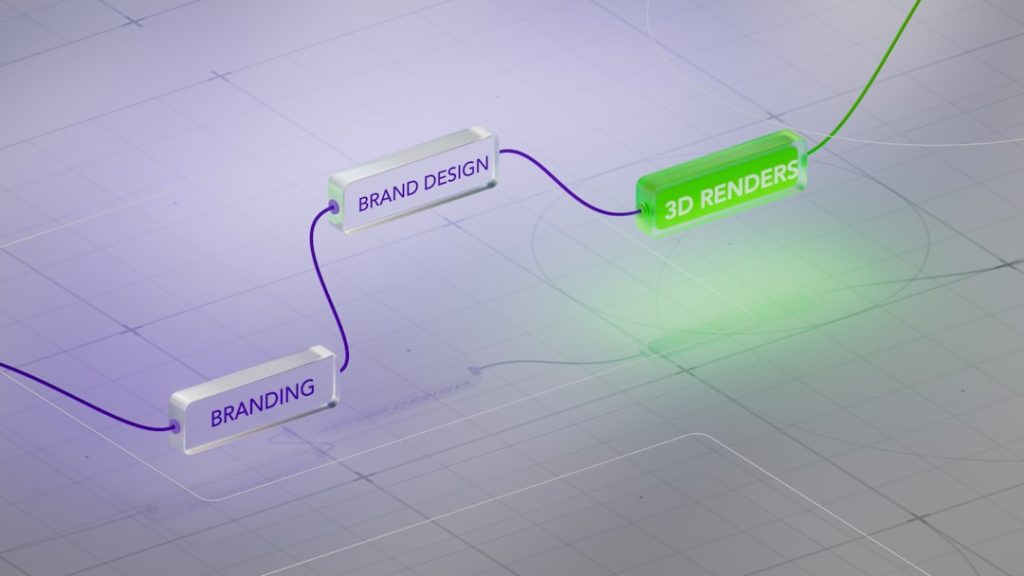
Imagine a team of super-smart digital coworkers. Each one has a special skill. One writes code. One searches the web. One checks facts. One plans tasks. Now imagine they can talk to each other and solve big problems together. That is the magic of multi-agent AI systems like AutoGen.
TLDR: Multi-agent AI systems let many AI agents work together as a team. Each agent has a role, and they communicate to complete complex tasks. Tools like AutoGen help developers create and manage these agent teams. The result is smarter workflows, better problem-solving, and less human micromanagement.
What Is a Multi-Agent AI System?
A multi-agent AI system is exactly what it sounds like. It is multiple AI agents working together. Instead of one large AI doing everything, you split the work across specialized agents.
Think of it like a movie production crew:
- The director makes decisions.
- The writer creates the script.
- The camera crew captures scenes.
- The editor polishes the final cut.
Each person has a job. Together, they create something amazing.
A multi-agent AI system works the same way. One agent may generate ideas. Another may validate them. Another may execute code. And another may review the output.
The system becomes stronger because of collaboration.
What Is AutoGen?
AutoGen is a framework that helps developers build these agent teams. It allows AI agents to:
- Talk to each other
- Share tasks
- Delegate responsibilities
- Iterate on results
Instead of manually controlling every step, developers can let the agents coordinate themselves.
This is powerful. It moves us from “ask AI one question” to “let AI run the whole project.”
How Do Agents Talk to Each Other?
Communication is everything.
Agents use structured messages. These messages include:
- Instructions
- Questions
- Results
- Feedback
One agent might say: “Here is the draft code.”
Another responds: “I found three bugs. Here are fixes.”
A third might say: “Tests passed. Ready for deployment.”
This loop continues until the task is complete.
Why Not Just Use One Powerful AI?
Great question.
Single AI systems are powerful. But they can become messy when handling big tasks. They must:
- Plan
- Execute
- Validate
- Debug
- Optimize
All at once.
This can overload a single prompt chain.
Multi-agent systems break complexity into smaller pieces. Each agent focuses on one thing. This often leads to:
- Better accuracy
- Clearer reasoning
- Easier debugging
- More scalable systems
Divide and conquer works for humans. It works for AI too.
Common Agent Roles in Systems Like AutoGen
Here are some popular agent types:
1. The Planner
This agent breaks big goals into small tasks. It creates a roadmap.
2. The Researcher
This agent gathers data. It may browse documents or search databases.
3. The Developer
This agent writes code or builds solutions.
4. The Critic
This agent reviews output. It looks for flaws. It suggests improvements.
5. The Executor
This agent runs scripts or triggers actions in the real world.
Together, they form a mini digital company.
Real-World Use Cases
Multi-agent systems are not just experimental toys. They solve real problems.
Software Development
Imagine you want to build an app.
- The planner defines features.
- The developer writes code.
- The tester runs unit tests.
- The reviewer suggests refinements.
All automatically.
Business Process Automation
Companies use agent teams to:
- Process invoices
- Draft emails
- Generate reports
- Analyze performance metrics
Each department can have its own digital assistant.
Research and Analysis
Need a market study?
- One agent gathers data.
- Another analyzes trends.
- A third creates visual summaries.
Work that once took days can now take minutes.
How Agents Coordinate Tasks
Coordination is not random. It follows patterns.
Sequential Workflow
Agent A finishes. Then Agent B starts. Simple. Clean.
Parallel Workflow
Multiple agents work at once. Results merge later.
Debate Mode
Two agents argue different viewpoints. A third decides the winner.
Supervisor Model
A central agent monitors and assigns tasks to others.
Each approach fits different needs.
Benefits of Multi-Agent Systems
Let’s keep it simple. The big advantages are:
- Modularity – Change one agent without breaking others.
- Scalability – Add more agents as tasks grow.
- Specialization – Agents become experts in narrow roles.
- Resilience – If one fails, others can step in.
This mirrors how strong human teams operate.
Challenges to Watch Out For
It is not all sunshine and rainbows.
Multi-agent systems introduce new challenges:
- Communication overhead
- Conflicting decisions
- Looping conversations
- Cost from multiple API calls
If agents keep bouncing messages endlessly, costs rise. Performance slows.
Smart design is critical.
Developers must:
- Set limits on conversation length
- Define clear roles
- Establish success conditions
Without structure, chaos happens.
How AutoGen Simplifies Coordination
AutoGen provides tools to manage:
- Agent creation
- Role definition
- Message routing
- Task orchestration
Developers can define agents in code. Then specify how they interact.
For example:
- When the developer agent finishes coding, automatically notify the reviewer.
- If the reviewer finds errors, return the task to the developer.
- If approved, send to executor.
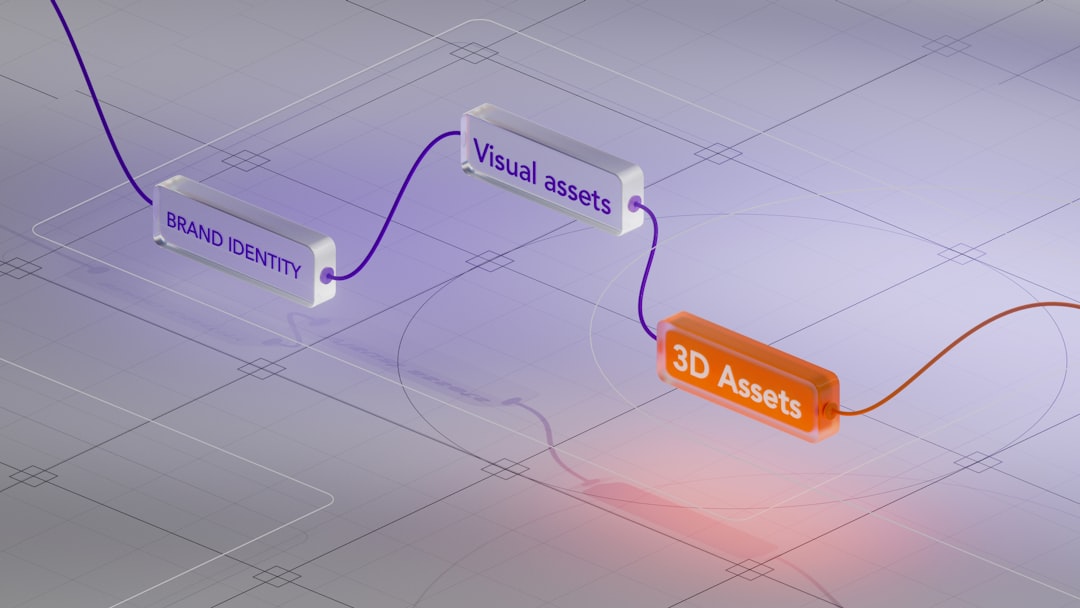
This creates a closed loop workflow.
No constant human nudging required.
Multi-Agent AI vs Traditional Automation
Traditional automation follows strict rules.
If X happens, do Y.
It is rigid.
Multi-agent AI is different. It is dynamic.
Agents reason. They adapt. They negotiate.
This makes them ideal for:
- Unstructured data
- Creative tasks
- Complex problem-solving
They are less like calculators.
More like teams.
The Future of Agent Collaboration
Things are moving fast.
We will likely see:
- Agent marketplaces
- Cross-company agent collaboration
- Personal AI teams for individuals
- Persistent long-term agent memory
Imagine having your own AI board of advisors.
One tracks finances. One monitors health. One manages projects. They meet digitally and update you.
That future is not far away.
Simple Analogy to Wrap It Up
Picture a busy kitchen.
The head chef does not cook everything.
- One person chops vegetables.
- One grills meat.
- One plates dishes.
- One checks quality.
Meals come out fast. Quality stays high.
Multi-agent AI systems work the same way.
They turn one big brain into many focused ones.
Tools like AutoGen make coordination possible. They provide structure. They enable communication. They unlock teamwork.
And teamwork, even in AI, wins.
As systems grow more complex, single models will not be enough. Organized agent collaboration will become the norm. The future of AI is not just smarter models. It is smarter coordination.
And that is where multi-agent systems shine.