


In recent years, the word Jyokyo has gradually emerged from online subcultures, niche conversations, and digital art spaces to capture a broader cultural imagination. At first glance, it might appear to be another passing linguistic fad, but a deeper look reveals an evolving phenomenon tying together identity, aesthetics, and the digital condition.
TL;DR
Jyokyo is a conceptual term originating in Japanese internet culture that combines context-aware introspection with aesthetic sensibility. It explores how individuals perceive their place in a complex cultural or emotional situation while maintaining a poetic or surreal tone. As it spreads globally through social media and artistic communities, more people are drawn to its layered meaning and visually oriented identity. In a digital landscape hungry for new modes of self-expression, Jyokyo continues to spark curiosity and creativity.
Understanding Jyokyo: Meaning and Cultural Roots
At its core, the Japanese word Jyokyo (状況) generally translates to “situation” or “circumstance.” However, when used as a concept instead of simply a descriptor, it takes on an almost philosophical dimension. Originating in online Japanese forums and image boards, it evolved from simple contextual references into a complex, often poetic expression of one’s emotional state within a particular moment, place, or aesthetic frame.
This evolved usage allows Jyokyo to function as both a lens and a language—a way of observing one’s surroundings and emotions, and framing them against a broader, often surreal or picturesque backdrop. In this sense, it shares philosophical affinities with other Japanese concepts like Wabi-Sabi (the beauty of imperfection) and Mono no Aware (an empathy toward things).
The Aesthetic Side of Jyokyo
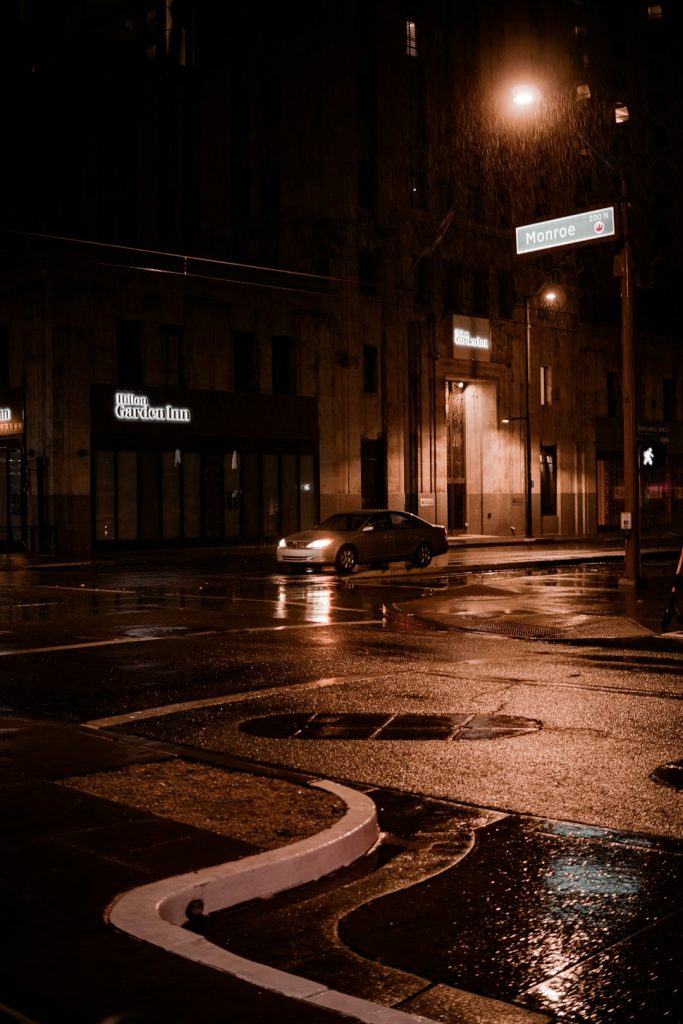
Jyokyo carries a strong visual and emotional aesthetic. It’s often associated with hauntingly beautiful or liminal experiences: standing alone at a train station late at night, watching city rain obscure neon lights, recognizing a melancholy feeling in a perfectly symmetrical urban alleyway. The mood is reflective, restrained, and emotionally resonant.
In visual art and digital media, the Jyokyo aesthetic might include these common elements:
- Soft lighting or low saturation visuals
- Empty or minimal environments, often urban
- Figures in existential solitude
- Scenes that feel both real and surreal
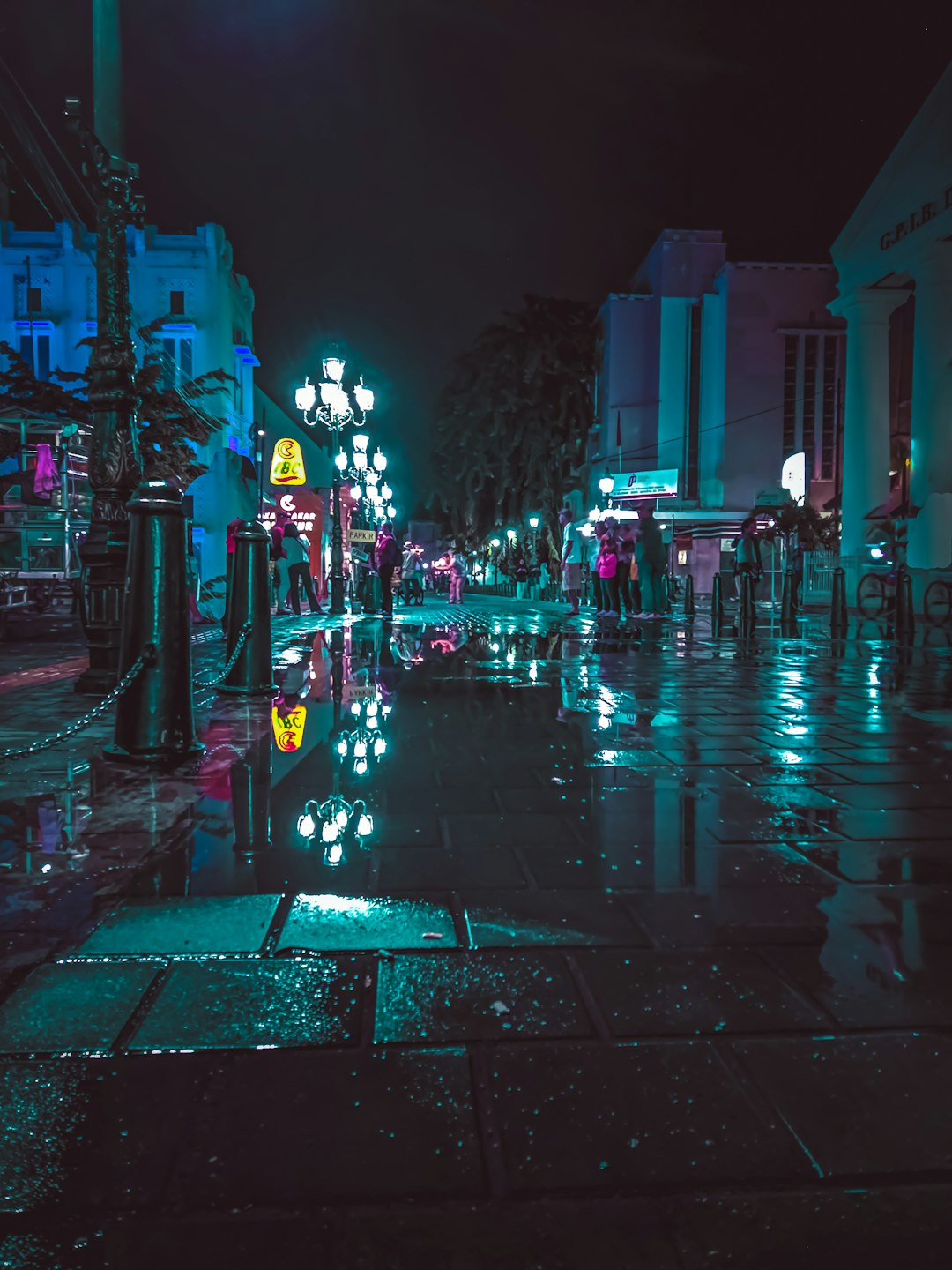
This aesthetic invites viewers to imagine a narrative or emotional context just outside the frame, encouraging introspection and storytelling. It captures a fleeting state of mind where time feels slow and the environment seems symbolic.
Jyokyo in the Digital Era
What makes Jyokyo particularly fascinating is how it has adapted to the digital age. The concept has spread from Japanese subcultures to global Internet users, largely through platforms like Twitter, Tumblr, and Instagram, where it is often accompanied by evocative images or minimalistic photography. Content tagged with #jyokyo often features photos or artwork that echo themes of isolation, stillness, or urban decay.
Key mediums for the digital presence of Jyokyo include:
- Microblogging platforms – Where users share moments that feel emotionally or narratively “Jyokyo.”
- Music and soundscapes – Ambient sounds designed to mirror a feeling or moment in time.
- Visual art and anime-inspired pieces – Mixing traditional Japanese aesthetics with modern existentialism.
Interestingly, Jyokyo does not demand clarity—it thrives on ambiguity. That quality makes it especially relevant in today’s chaotic information age, where uncertainty is the norm rather than the exception.
Global Curiosity and Cultural Adaptation
The growing curiosity about Jyokyo beyond Japan highlights the appeal of nuanced, emotionally layered storytelling—especially among younger generations. In global pop culture, we see related expressions in vaporwave, nostalgic futurism, and slow cinema. The Jyokyo concept taps into a universal longing for slowness, reflection, and mood-centric content.
As Jyokyo begins to resonate with international audiences, its meaning may expand or shift. Yet the core remains rooted in a kind of emotional documentation. People ask themselves: What is my current ‘Jyokyo’?—a question that encourages not just description, but poetic self-awareness.
Tools That Amplify Jyokyo Online
All movements need tools—and Jyokyo has specific technologies helping to express and spread it:
- Smartphone Photography: Mobile cameras allow people to capture fleeting Jyokyo moments wherever they are in the world.
- Photo Editing Apps: Tools like VSCO, Snapseed, and Afterlight help create the subdued tones and cinematic lighting often associated with Jyokyo visuals.
- Music Platforms: SoundCloud and Bandcamp host ambient tracks and sound collages meant to accompany Jyokyo-inspired visuals or narratives.
In social communities, people frequently post their experiences with hashtags like #実況 (jyokyo in kanji) or its phonetic equivalents, prompting discussions not just about art but about meaning, memory, and context.
Jyokyo and Emotional Self-Discovery

One of the more profound effects of the Jyokyo aesthetic is its ability to function as a medium for emotional self-discovery. Unlike hyper-positivity or performative aesthetics, Jyokyo invites a candid yet poetic look at one’s state of mind. It doesn’t shy from loneliness, complexity, or subtle joy—it embraces them as worthy of capture and expression.
In that way, Jyokyo intersects with mental health conversations. Quiet sadness, tranquil beauty, and meaningful solitude—these are experiences often marginalized by mainstream media but honored within the Jyokyo aesthetic.
Future Prospects of the Jyokyo Phenomenon
Is Jyokyo the beginning of a broader cultural shift? Possibly. Digital conversations increasingly favor multi-dimensional expression, and the need to represent feelings beyond binaries like “happy” or “sad” has never been stronger. As algorithms start to value storytelling over mere engagement, concepts like Jyokyo may rise further in cultural influence.
Moreover, artists and creatives from various countries are beginning to use Jyokyo as a thematic or visual framework, leading to multi-disciplinary works that blend music, photography, writing, and design into immersive emotional experiences. Events and online zines themed around Jyokyo are starting to proliferate, especially within Gen Z digital circles.
It does raise essential questions: Can a culturally specific term survive globalization? Will Jyokyo lose its nuance in Western adaptation, or evolve into something new while retaining core values of emotional and contextual introspection?
Conclusion
Jyokyo is more than just an aesthetic or linguistic curiosity—it’s a new way to describe our lives as lived experiences, full of texture, ambiguity, and quiet complexity. As it continues to grow online and expand into artistic mediums, Jyokyo offers an invitation: to pause, to observe, and to feel deeply without needing to explain it all away.
In a time when speed, spectacle, and certainty dominate digital spaces, the slow, misty poetry of Jyokyo might be exactly what we need.