


Expanding a website across borders is exciting, but international SEO can quickly become messy if languages, regions, currencies, search behavior, and technical signals are not aligned. A strong international SEO audit helps you understand whether search engines can identify the right audience for each page and whether users in each market are getting a relevant experience.
TLDR: An international SEO audit checks whether your global website is technically accessible, properly localized, and correctly targeted to each country or language. The biggest priorities are hreflang implementation, URL structure, localized content, crawlability, page speed, and market-specific keyword research. A successful audit should reveal both technical errors and missed growth opportunities in each region.
1. Review Your International URL Structure
Your site structure is the foundation of international SEO. Search engines need clear signals about which pages are intended for which audiences. During the audit, identify whether the site uses country code top level domains, subdirectories, or subdomains.
- ccTLDs: Example: example.fr. Strong country targeting, but harder to manage at scale.
- Subdirectories: Example: example.com/fr/. Easier to maintain and often preferred for centralized authority.
- Subdomains: Example: fr.example.com. Flexible, but authority and tracking can become fragmented.
There is no universal “best” choice, but consistency matters. Avoid mixing structures without a clear reason, such as using both /de/ and de.example.com for the same market.

2. Audit Hreflang Tags Carefully
Hreflang tells search engines which language or regional version of a page should appear for specific users. It is one of the most important and most commonly broken parts of international SEO.
Check that every localized page includes:
- The correct language code, such as en, fr, or es.
- The correct regional code when needed, such as en US, en GB, or es MX.
- A self-referencing hreflang tag.
- Return tags from all alternate versions.
- An optional x default tag for global or language selection pages.
Common mistakes include using incorrect country codes, pointing hreflang tags to redirected URLs, referencing non-indexable pages, or forgetting reciprocal links. Even small hreflang errors can cause the wrong page to rank in the wrong country.
3. Check Indexability and Crawlability
International pages must be easy for search engines to discover, crawl, and index. Review your robots.txt file, meta robots tags, canonical tags, XML sitemaps, and internal links. A localized page cannot rank if it is blocked, orphaned, or canonicalized to the wrong version.
Pay special attention to canonical tags. If a French page canonicals to the English page, search engines may ignore the French version entirely. Each localized version should usually canonicalize to itself unless there is a specific duplicate content reason not to.
Also inspect XML sitemaps. For global websites, sitemaps should include all important international URLs and may also include hreflang annotations. Make sure sitemap URLs return a 200 status code and are not redirected, blocked, or noindexed.
4. Evaluate Localization Quality
Translation is not the same as localization. A strong international SEO audit looks beyond whether words are translated and asks whether the page feels natural, useful, and trustworthy to local users.
Review these localization elements:
- Currency: Are prices shown in the correct local currency?
- Measurements: Are dimensions, weights, and dates adapted for the region?
- Spelling and terminology: Does the language match local expectations?
- Contact information: Are phone numbers, addresses, and support hours relevant?
- Legal requirements: Are privacy, shipping, tax, and return policies localized?
- Cultural fit: Do images, examples, and calls to action match the audience?
For example, a page targeting users in Canada may need different spelling, shipping information, and pricing than a page targeting users in the United States. These details affect both conversion rates and search performance.
5. Perform Market Specific Keyword Research
Do not assume that a keyword translated from one language will be the best keyword in another. Search behavior differs by country, even among people who speak the same language. Users in Spain, Mexico, and Argentina may search with different vocabulary, intent, and buying expectations.
During the audit, compare each market’s target keywords with actual search demand. Look for:
- Local keyword variations.
- Search intent differences.
- Seasonal trends by region.
- Local competitors ranking for similar terms.
- Questions and long tail queries specific to each market.
This step often reveals content gaps. A global brand may have excellent English content but thin, generic, or poorly targeted content in other languages.
6. Inspect Technical Performance by Region
Page speed is a global issue, but it can vary dramatically by location. A website that loads quickly in one country may perform poorly elsewhere due to server distance, heavy scripts, large images, or weak content delivery network coverage.
Test performance from multiple regions and devices. Focus on Core Web Vitals, mobile usability, server response time, image compression, and JavaScript rendering. Many international audiences rely heavily on mobile devices, so a slow mobile experience can limit visibility and conversions.
If your site serves a worldwide audience, a reliable CDN can improve loading speed and stability. Also confirm that language selectors, forms, checkout pages, and interactive tools work properly in each localized version.
7. Analyze Internal Linking Across Markets
Internal links help distribute authority and guide users to relevant pages. On international websites, internal linking can become inconsistent. Some regions may receive strong navigation links, while others are buried behind language selectors or missing from menus altogether.
Check whether users and crawlers can easily move between language or country versions. However, avoid automatically redirecting users based only on IP address without giving them a choice. Forced redirects can frustrate users and prevent search engines from accessing all versions of your site.
Use clear language selectors. Instead of using only flags, include language or country names, because flags can be ambiguous. For example, Spanish is spoken in many countries, and English serves multiple regions.
8. Review Structured Data and Local Signals
Structured data should be accurate for every market. Audit schema markup for products, reviews, breadcrumbs, local businesses, events, and articles. Make sure prices, availability, ratings, addresses, and business details match the localized page content.
For location-based businesses, check local SEO signals such as regional landing pages, local citations, maps listings, and customer reviews. Consistent name, address, and phone information is especially important for businesses with physical locations in multiple countries.
9. Benchmark Competitors in Each Market
Your competitors in one country may not be your competitors in another. International SEO audits should include local SERP analysis to identify who ranks in each target market and why.
Look at competing pages for content depth, backlink profiles, user experience, pricing, trust signals, and local relevance. You may find that smaller regional competitors outperform global brands because they understand local search intent better.
10. Measure Performance by Country and Language
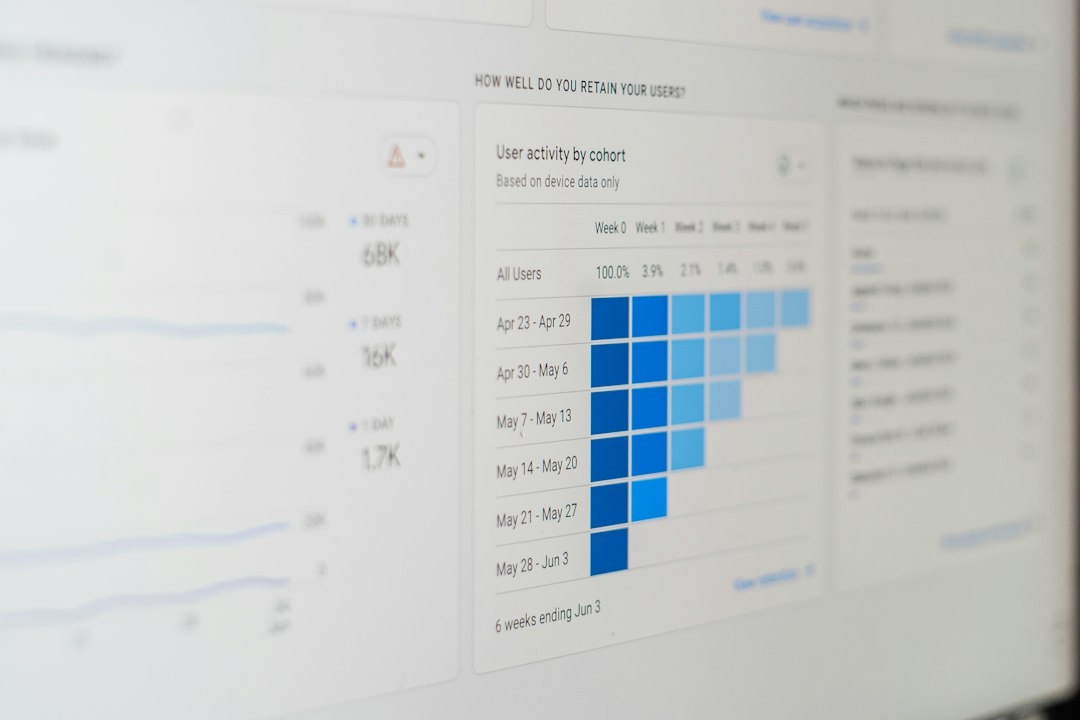
Finally, review analytics and search performance data by market. Segment reports by country, language, device, landing page, and search query. This helps separate global averages from local realities.
Important metrics include:
- Organic traffic by country.
- Click through rate by language.
- Index coverage for localized URLs.
- Rankings in target regions.
- Conversions and revenue by market.
- Bounce rate and engagement by page version.
If a region has strong impressions but low clicks, title tags and meta descriptions may need localization. If traffic is strong but conversions are weak, pricing, trust signals, payment options, or shipping details may be the issue.
Final Thoughts
An international SEO audit is more than a technical checklist; it is a way to understand how well your website communicates with different audiences. The best global websites combine precise technical signals with content that feels genuinely local. By auditing structure, hreflang, crawlability, localization, keywords, speed, links, schema, competitors, and analytics, you can turn a scattered international presence into a stronger, more search-friendly global strategy.