



Social media marketing generates leads and sales when a business treats each platform as a sales path, not just a place to post. The goal is simple: attract the right audience, earn trust, collect contact details, and move prospects toward a purchase. With more than 5 billion social media users worldwide, the opportunity is huge, but attention is thin [source: DataReportal].
TLDR: A business should use social media to send people from helpful content to a clear offer, such as a free guide, demo, coupon, webinar, or product page. For example, a small skincare brand could run Instagram Reels, offer a “skin type quiz,” collect 1,000 emails, and convert 6% into buyers within 30 days. The strongest results usually come from a mix of organic posts, paid ads, retargeting, and quick follow-up. If the team tracks cost per lead, conversion rate, and sales per channel, weak campaigns become easy to cut.
Start With a Clear Lead Goal
A company should not post “just to stay active.” That wastes time and money. Each campaign needs one clear goal.
- Lead generation: Collect emails, phone numbers, or form submissions.
- Sales: Send buyers to a product page or checkout.
- Bookings: Push prospects to schedule calls, demos, or consultations.
- Audience growth: Build a pool of people for future offers.
The offer must match the buyer stage. A cold audience may want a checklist, quiz, calculator, or short guide. A warmer audience may respond to a discount, free trial, or demo. A business selling high-ticket services may need a webinar or consultation instead of a “buy now” message.

Know the Right Audience Before Posting
Good social media lead generation starts with audience clarity. The team should define who the buyer is, what problem they want solved, and what stops them from buying.
A fitness coach, for example, should not target “people who want to get healthy.” That is too broad. A sharper audience would be “women aged 35 to 50 who want simple strength workouts at home and have less than 30 minutes per day.” That audience is easier to reach, write for, and sell to.
Useful audience details include:
- Age range and location
- Main pain point
- Buying trigger
- Common objection
- Preferred platform
- Content format they like most
Pick Platforms Based on Buyer Behavior
Not every business needs every platform. A B2B software company may get stronger leads from LinkedIn. A fashion store may sell faster through Instagram, TikTok, and Pinterest. A local restaurant may benefit from Facebook, Instagram, and Google Business posts.
The best platform is the one where the target buyer already pays attention. It drives marketers crazy when a team spends hours polishing content for a channel where buyers are barely active. That time could have gone into testing stronger offers or faster follow-up.
- Facebook: Good for local services, communities, events, and retargeting.
- Instagram: Strong for visual brands, creators, retail, wellness, food, and lifestyle.
- LinkedIn: Best for B2B, recruiting, consulting, SaaS, and professional services.
- TikTok: Useful for short, educational, entertaining, and product-led content.
- Pinterest: Strong for home, fashion, beauty, food, events, and planning-based purchases.
Create Content That Moves People Toward a Lead
Content should do more than get likes. It should answer questions, reduce doubt, and give prospects a reason to act. The best posts often fit into four simple groups.
- Problem posts: Show the pain the buyer already feels.
- Education posts: Teach a quick win or useful method.
- Proof posts: Share reviews, results, case studies, or before-and-after examples.
- Offer posts: Invite the audience to download, book, join, subscribe, or buy.
A social media manager should rotate these formats. Too much education can attract passive followers. Too many offers can tire people fast. A balanced content plan builds trust, then asks for action.
Use Lead Magnets That Are Worth the Click
A lead magnet is something valuable offered in exchange for contact details. It should solve one small problem quickly. If it feels generic, conversion rates often sink.
Strong lead magnets include:
- Checklists: Simple and fast to consume.
- Templates: Useful for marketers, founders, coaches, and service providers.
- Quizzes: Great for ecommerce, wellness, education, and finance.
- Discount codes: Good for direct-to-consumer sales.
- Webinars: Strong for higher-priced offers.
- Free audits: Effective for agencies and consultants.
The form should stay short. Name and email may be enough for a low-cost offer. A demo request can ask for more details. If the form has ten fields for a simple PDF, expect people to quit. Honestly, it feels like some brands add extra form fields just to punish interested buyers.

Turn Social Traffic Into Sales With Landing Pages
A social post by itself rarely closes the sale. The landing page does much of the hard work. It should match the message in the post or ad. If the post promises a free pricing guide, the page should not open with a vague brand story.
A strong landing page needs:
- A clear headline that repeats the offer.
- A short benefit statement that explains the outcome.
- One main call to action such as “Get the guide” or “Book a demo.”
- Trust signals like reviews, ratings, logos, or result snippets.
- A mobile-friendly layout with fast loading speed.
Speed matters. If a page takes several seconds to load, mobile visitors often leave before the form appears. That means the campaign pays for clicks that produce nothing.
Use Paid Ads to Scale What Already Works
Organic content helps a business learn what the audience cares about. Paid ads help scale the winning messages. A company should not boost random posts. It should promote content with proof of demand, such as high saves, comments, clicks, or profile visits.
Useful paid campaigns include:
- Lead form ads: Good for quick signups inside Facebook, Instagram, or LinkedIn.
- Traffic ads: Useful when sending people to a landing page.
- Conversion ads: Best when tracking purchases, bookings, or signups.
- Retargeting ads: Great for people who visited a page but did not convert.
Retargeting is often the missing piece. Many prospects need several touches before buying. A visitor who watched 75% of a product video or viewed a pricing page is warmer than a cold scroller. Showing that person a review, demo, or limited offer can lift sales without raising the whole ad budget.
Follow Up Fast
Lead generation fails when follow-up is slow. A lead who fills out a form may still be comparing options. The first business to respond often wins the sale.
Follow-up can include:
- An instant email with the promised resource.
- A short welcome sequence with tips, proof, and an offer.
- A sales call within minutes for high-value leads.
- SMS reminders for bookings, demos, or abandoned carts.
- Retargeting ads that match the lead’s interest.
For service businesses, response time is a serious sales factor. A lead that waits two days for a reply often forgets the brand or chooses a competitor.
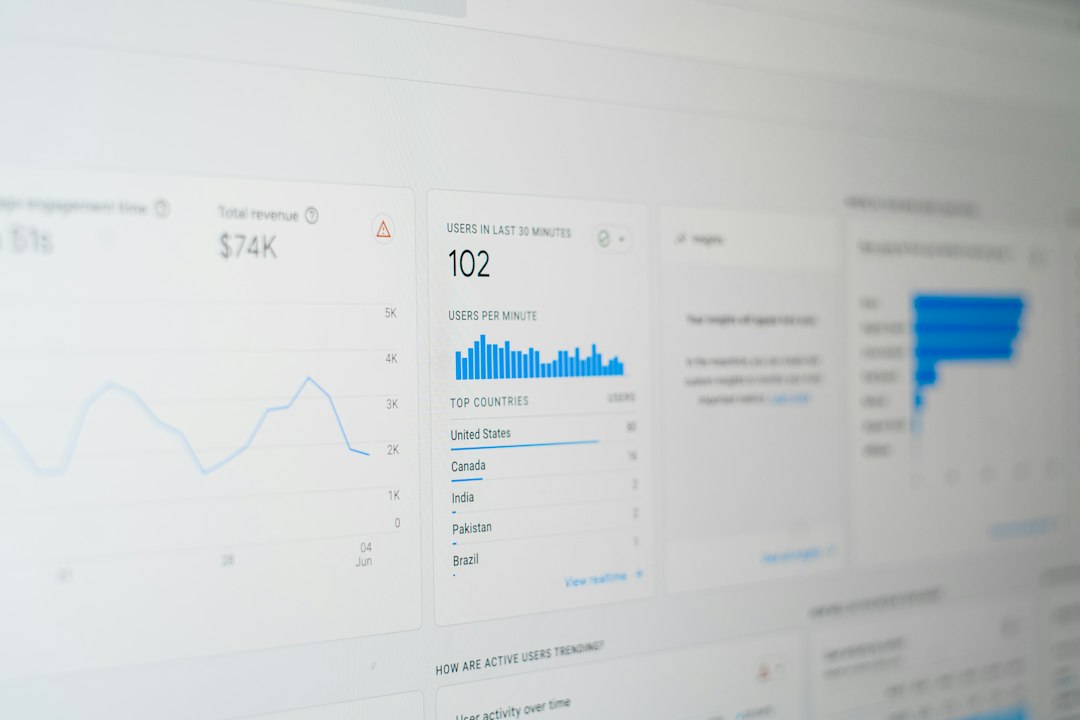
Track the Numbers That Matter
Vanity metrics can mislead a team. Likes and views are useful signals, but they do not pay bills. The business should track numbers tied to revenue.
- Click-through rate: Shows whether the message earns action.
- Cost per lead: Shows how expensive each contact is.
- Lead quality: Shows whether leads match the ideal customer.
- Conversion rate: Shows how many leads become buyers.
- Customer acquisition cost: Shows total cost to win a customer.
- Return on ad spend: Shows revenue from paid campaigns.
A simple monthly review is enough for many small teams. They should keep what produces qualified leads, fix what almost works, and stop funding campaigns that only create noise.
FAQ
How can social media generate leads?
Social media generates leads by sending interested users to forms, landing pages, lead ads, quizzes, webinars, free trials, or booking pages. The offer must give users a clear reason to share their contact details.
Which social media platform is best for sales?
It depends on the buyer. LinkedIn often works best for B2B. Instagram and TikTok can work well for ecommerce and lifestyle products. Facebook is strong for local services, groups, and retargeting.
How often should a business post?
A business should post as often as it can stay useful and consistent. Three to five strong posts per week can beat daily low-quality posts. Quality and clear calls to action matter more than volume.
Should a company use paid ads or organic content?
Both can work together. Organic content tests messages and builds trust. Paid ads scale the best posts, reach new audiences, and bring back visitors who did not convert the first time.
What is the biggest mistake in social media lead generation?
The biggest mistake is sending traffic to a weak or unclear offer. If the audience does not understand the value, they will not click, sign up, or buy.