


A business card is a small object with a large responsibility. It has to communicate identity, credibility, contact details, and brand positioning in a format that may be handled for only a few seconds. The best business card design platforms help turn a rough idea into a polished, print-ready card without forcing every business owner to become a professional designer or production specialist.
TLDR: If you want a quick, reliable route from concept to printed cards, platforms such as Canva, Vistaprint, MOO, Adobe Express, and Zazzle are strong starting points. For more print customization, consider GotPrint, Jukebox Print, UPrinting, PsPrint, 48HourPrint, Staples, FedEx Office, and Overnight Prints. The right choice depends on whether you value design simplicity, premium paper, fast turnaround, local pickup, or advanced print finishes.
What Makes a Business Card Platform Worth Using?
A serious business card platform should do more than offer attractive templates. It should help users make practical design decisions, prevent common printing mistakes, and provide predictable production quality. Before choosing a service, assess four key areas: design control, template quality, printing options, and delivery reliability.
Design control matters because a business card must match your brand, not simply look fashionable. Template quality matters because poorly structured layouts can make contact information hard to read. Printing options matter because paper stock, coating, shape, and finish influence how your card feels in the hand. Delivery reliability matters because cards are often needed for trade shows, client meetings, launches, and networking events.
1. Canva
Canva is one of the most accessible platforms for business card design, especially for small businesses, freelancers, consultants, and teams without in-house designers. Its interface is clean, intuitive, and built around drag-and-drop editing. Users can start with a template, customize colors and fonts, upload logos, and export print-ready files or order printed cards directly in many regions.
Canva is particularly useful for businesses that want visual consistency across multiple assets. If you are also creating social posts, letterheads, presentations, or flyers, Canva makes it relatively easy to keep brand elements aligned. The platform is best for users who want speed, simplicity, and broad design flexibility rather than highly specialized print finishes.
2. Vistaprint
Vistaprint remains one of the most recognized names in business card printing. It is a practical choice for entrepreneurs and small companies that want a straightforward design-to-print workflow. The platform offers many templates by industry, along with options for standard, premium, matte, glossy, textured, and specialty cards.
Its major strength is convenience. Users can design online, select quantities, choose finishes, and place an order with minimal technical knowledge. Vistaprint is especially suitable for businesses that need dependable everyday cards at reasonable prices. While advanced designers may prefer more granular control, many users will appreciate the predictable process and broad product range.
3. MOO
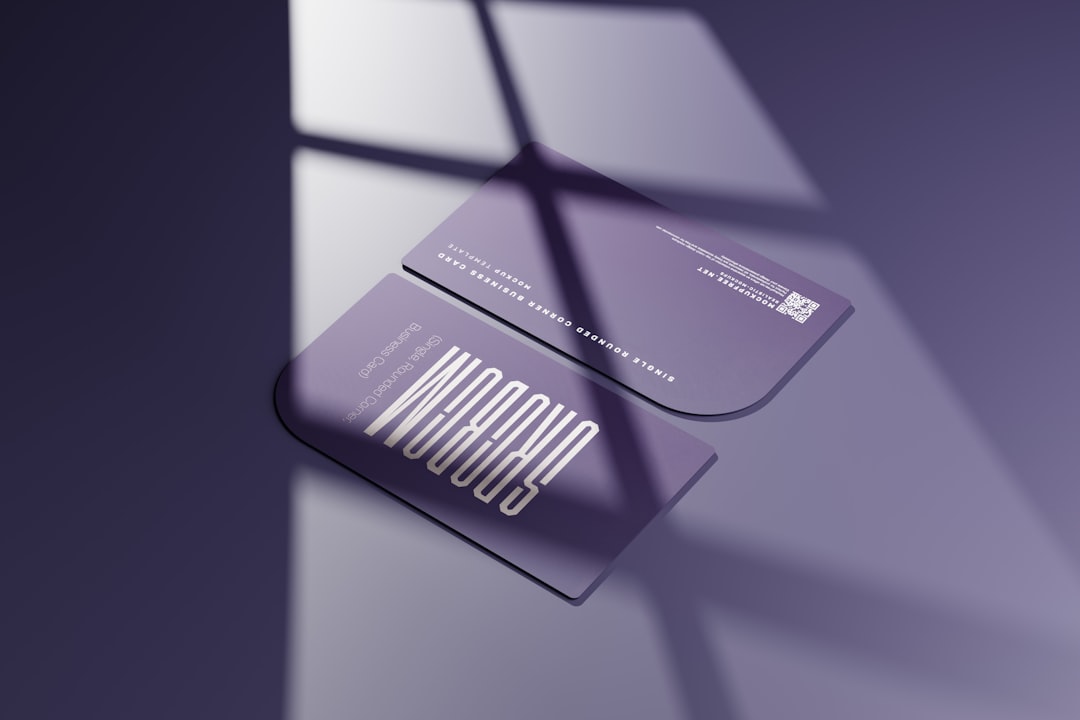
MOO is a strong option for businesses that want business cards to feel premium and distinctive. The platform is known for high-quality paper stocks, elegant templates, and refined finishes. MOO also offers products such as square business cards, minicards, rounded corners, and special finishes that can help a brand stand out.
One notable feature is the ability to print different designs in a single pack, which is useful for photographers, artists, product businesses, or anyone who wants to showcase multiple visuals. MOO may cost more than budget-oriented printers, but it is a serious contender when presentation, tactile quality, and brand perception are priorities.
4. Adobe Express
Adobe Express gives users a simplified design experience backed by Adobe’s creative ecosystem. It is not as complex as professional desktop applications, but it offers enough flexibility for polished business card concepts. Users can begin with templates, adjust typography, add brand assets, and create clean layouts suitable for print.
Adobe Express is a good fit for individuals who want professional-looking design tools without the learning curve of Adobe Illustrator or InDesign. It is especially useful if your brand assets already live within Adobe’s environment. For best results, users should still pay close attention to export settings, bleed, margins, and resolution before printing.
5. Zazzle
Zazzle combines a marketplace-style design experience with print fulfillment. It offers a wide selection of business card templates, including formal, creative, minimalist, luxury, and industry-specific styles. Users can customize existing designs or work from more basic layouts.
Zazzle is worth considering if you want a large variety of visual styles and are open to browsing many design directions before committing. It is also useful for businesses that want matching branded items, such as stickers, stationery, labels, or promotional products. The breadth of choice is a benefit, though users should be disciplined about selecting a design that supports clarity rather than decoration alone.

6. GotPrint
GotPrint is a print-focused platform that offers competitive pricing and a wide range of product configurations. It provides design templates as well as upload options for customers who already have finished artwork. Business card options include different paper weights, coatings, sizes, and shapes.
This platform is particularly attractive to cost-conscious businesses that still want meaningful print choices. It may not feel as design-forward as some template-first platforms, but it is practical for repeat ordering and larger quantities. If you have a designer preparing your files, GotPrint can be a sensible production partner.
7. Jukebox Print
Jukebox Print is well suited for businesses that care about distinctive materials and premium presentation. The platform offers a variety of specialty options, including textured stocks, recycled papers, painted edges, letterpress, foil, and other high-impact finishes.
Jukebox Print is not necessarily the first choice for someone who wants the fastest basic card at the lowest price. However, it is worth trying if your business card is part of a luxury, creative, hospitality, design, fashion, or boutique brand experience. With specialty printing, restraint is important: one excellent finish often communicates more authority than several competing effects.
8. UPrinting
UPrinting offers a solid combination of online design tools, file upload capabilities, and detailed print options. Users can choose from standard and custom business card formats, including folded cards, rounded corners, and thicker stocks. The platform also provides downloadable templates for those creating artwork in professional design software.
UPrinting is a dependable choice for users who want a more production-oriented experience. It works well for businesses that already understand their print specifications or want a printer that can support broader marketing collateral, including brochures, postcards, signs, and labels.
9. PsPrint
PsPrint is another platform focused on professional online printing. It offers business cards in multiple sizes, shapes, finishes, and paper types. Customers can upload complete artwork or use available design tools and templates.
PsPrint is useful for organizations that require consistent print services across several marketing materials. Its strength lies in production variety and print reliability rather than trendy template browsing. For companies ordering cards for multiple employees, it can serve as a practical vendor when brand files are already established.
10. Staples
Staples is a convenient option for businesses that value speed and local access. The platform allows users to design business cards online and, in many locations, pick them up in store. This can be especially helpful when cards are needed quickly for an event, interview, conference, or sales meeting.
Staples may not provide the same level of luxury finishing as premium specialty printers, but it does offer practical quality and accessibility. For everyday professional cards, particularly when time is limited, it remains a dependable option.
11. FedEx Office
FedEx Office is another strong choice for fast, practical business card printing with local pickup options. Users can upload their own designs or create a card using online templates. The service is particularly useful for professionals who need printed materials while traveling or working across multiple cities.
Its main advantage is logistical reliability. FedEx Office can be especially valuable for corporate teams, sales staff, consultants, and event participants who need a recognizable provider with many physical locations. While the design tools are relatively straightforward, the convenience factor is significant.
12. 48HourPrint
48HourPrint focuses on fast turnaround and a broad range of printed marketing products. For business cards, it offers several sizes, paper stocks, coatings, and custom options. Customers can upload their own artwork or use design resources available through the platform.
This service is worth considering when timing is important but you still want more flexibility than a basic office print counter may provide. As with any rapid printing service, users should check proofs carefully before approving production. Speed is valuable, but accuracy remains essential.
13. Overnight Prints
Overnight Prints is designed for customers who need business cards quickly and want a streamlined online printing process. It offers standard cards, premium stocks, rounded corners, and various coating choices. The platform can be useful for last-minute needs, reorders, or compact marketing projects.
Its appeal is straightforward: practical online ordering with an emphasis on turnaround. Businesses should still review shipping timelines, production cutoffs, and proofing details carefully. A fast order is only successful if the final card arrives on time and reflects the correct information.

How to Choose the Right Platform
The best platform depends on your business context. A solo consultant may need a clean, credible card produced quickly. A design studio may want unusual materials and premium finishes. A growing company may need easy reordering for multiple team members. A retail brand may want cards that coordinate with packaging, labels, and thank-you inserts.
Use the following criteria before placing an order:
- Brand fit: Select a style that reflects your actual business personality, not just a current visual trend.
- Readability: Make sure names, titles, phone numbers, email addresses, and websites are clear at small sizes.
- Print specifications: Confirm bleed, safe margins, color mode, paper size, and resolution requirements.
- Paper and finish: Choose materials that support your positioning. A premium advisory firm and a casual café may need very different cards.
- Turnaround time: Account for proofing, production, shipping, and possible delays.
- Reorder process: If you will need cards regularly, choose a platform that makes storage, editing, and reordering simple.
Common Mistakes to Avoid
One of the most common mistakes is overcrowding the card. A business card is not a brochure. It should provide the essential information someone needs to remember you and take the next step. Another mistake is choosing decorative fonts that look attractive on screen but become difficult to read in print.
Color can also create problems. Bright colors on a monitor may print differently depending on paper type and production method. If color accuracy is critical, consider ordering a small batch first or requesting a proof where available. Finally, never approve an order without checking spelling, phone numbers, QR codes, email addresses, job titles, and website URLs.
Final Thoughts
Business card design platforms have made professional card creation more accessible, but the decision still deserves care. A strong card combines clear information, disciplined design, appropriate materials, and reliable printing. Whether you choose Canva for ease, MOO for premium presentation, Vistaprint for convenience, or a production-focused printer such as GotPrint, UPrinting, or PsPrint, the goal is the same: to create a card that feels credible and helps people act on the connection you have made.
From idea to print, the best platform is the one that supports your brand standards, your timeline, and your budget without compromising clarity. Treat your business card as a professional asset, not an afterthought, and it can continue working long after the first conversation ends.