



Building a recognizable brand no longer requires a large design agency or a five-figure budget. Modern logo generators have evolved into sophisticated, easy-to-use platforms that allow businesses of all sizes to create professional, consistent brand identities. When used strategically, these tools can support long-term branding goals, not just provide a quick visual fix.
TLDR: Easy-to-use logo generators offer businesses a practical way to create consistent, professional brand identities without major investment. The best tools combine intuitive interfaces, customizable templates, and brand asset management features. When chosen carefully and used strategically, they support long-term consistency across digital and print channels. However, thoughtful customization and adherence to brand guidelines remain essential for credibility.
In today’s competitive landscape, visual consistency is not optional. Customers form impressions within seconds, and your logo is often the first visual touchpoint. It appears on websites, packaging, email signatures, social media profiles, and advertisements. Inconsistent design elements weaken trust, while cohesive branding reinforces professionalism, reliability, and authority.
Why Logo Consistency Matters
A logo is more than a decorative graphic. It is a strategic brand asset that communicates identity, values, and positioning. Consistency builds:
- Recognition – Repeated exposure to the same visual elements helps customers remember your brand.
- Credibility – Visual unity signals organization and professionalism.
- Trust – Predictable branding across touchpoints reassures customers.
- Differentiation – A distinct visual style separates your business from competitors.
Without a standardized logo and clear usage rules, companies often fall into fragmented branding. Different colors, altered typography, and inconsistent proportions can dilute impact. Easy-to-use logo generators help prevent this by creating structured brand systems rather than isolated graphics.

What Makes a Logo Generator “Easy-to-Use”
Not all logo generators are equal. The most effective platforms share several practical features that make them accessible while maintaining professional standards.
1. Intuitive User Interface
The best tools guide users through a step-by-step process. Rather than presenting overwhelming design complexity, they typically begin with:
- Business name input
- Industry selection
- Style preferences (modern, classic, minimalist, bold)
- Color palette suggestions
This structured workflow reduces decision fatigue and helps users create aligned designs quickly.
2. Smart Design Assistance
Advanced logo generators incorporate algorithmic suggestions based on industry standards. For example, a legal firm may be presented with serif fonts and conservative color palettes, while a tech startup might see geometric sans-serif options and vibrant tones.
This guidance ensures that even users without formal design training can produce logos aligned with professional expectations.
3. Full Customization Controls
Ease of use does not mean limited flexibility. High-quality tools allow for detailed adjustments, including:
- Font selection and spacing controls
- Color fine-tuning with HEX, RGB, or CMYK input
- Icon resizing and alignment tools
- Background variations
This balance between automation and manual control is critical for achieving a distinctive result.
The Role of Logo Generators in Brand Systems
A logo alone does not create a brand. However, modern logo generators increasingly provide structured brand kits that extend beyond a single file download.
Well-designed platforms often include:
- Primary and secondary logo variations
- Monochrome and inverted versions
- Favicon-ready files
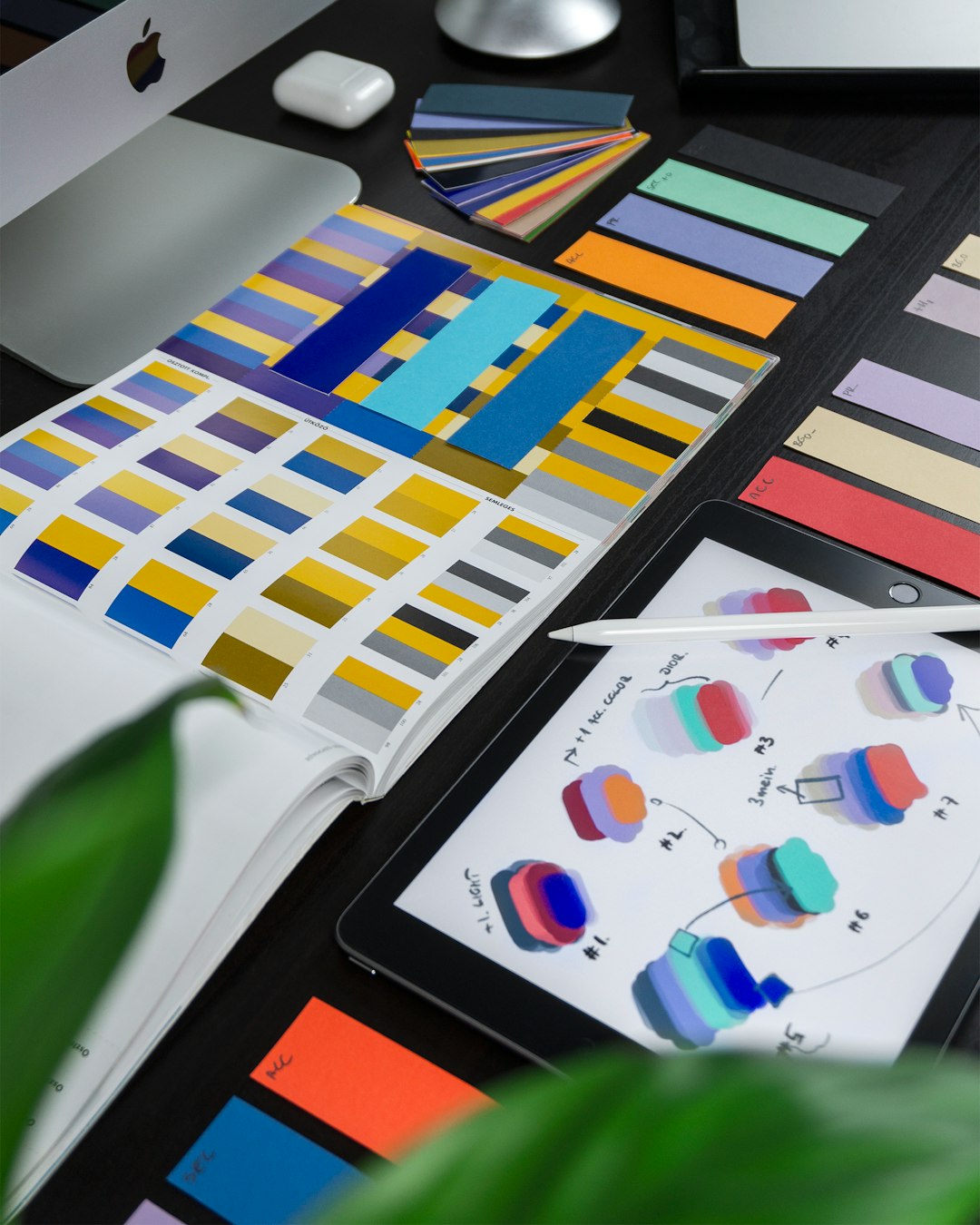
- Defined brand color palettes
- Typography pairings
- Basic brand guidelines
These assets ensure visual consistency across platforms, which is essential for long-term brand equity.
Advantages of Easy-to-Use Logo Generators
Cost Efficiency
Professional logo design can require substantial investment. While custom design remains ideal for complex branding projects, many startups and small businesses benefit from affordable alternatives. Logo generators provide structured quality at a fraction of traditional costs.
Speed
Time-to-market can be critical. A logo generator allows businesses to move from concept to downloadable assets in hours rather than weeks. This speed is particularly important for:
- Early-stage startups
- Event-based businesses
- Personal brands launching digital products
Consistency by Design
Because the system generates coordinated assets at once, it reduces the risk of fragmented visual identity. Downloading multiple formats and sizes simultaneously ensures proper usage across:
- Websites
- Social media
- Email newsletters
- Packaging
- Print collateral
Ease of Iteration
Modern branding evolves. Easy-to-use platforms allow businesses to adjust colors, refine layout, or reposition elements without starting from zero. This flexibility supports gradual brand refinement as the company grows.
Limitations to Consider
A serious evaluation must also acknowledge limitations. While logo generators are powerful, they are not universally suitable.
Template Similarity
Some generators rely on shared icon libraries. Without thoughtful customization, businesses risk creating logos that resemble others within the same industry.
Strategic Depth
A generator provides visual tools, but it does not replace strategic brand positioning. Messaging, tone of voice, and long-term brand architecture require human insight.
Customization Boundaries
Complex brand systems involving intricate symbolism or proprietary design systems may exceed the scope of automated platforms.
For established enterprises or highly competitive markets, collaboration with an experienced brand designer may remain the stronger option.
Best Practices for Using a Logo Generator Effectively
To ensure professional and consistent results, businesses should follow key principles:
Define Your Brand Before Designing
Before opening any design tool, clarify:
- Core values
- Target audience
- Market positioning
- Competitive landscape
This clarity prevents arbitrary choices and ensures visual cohesion.
Keep It Simple
Simplicity supports scalability. A clean, legible logo performs better across small digital formats and large physical signage. Avoid excessive gradients, overly complex icons, or decorative typography that may age quickly.
Choose Colors Strategically
Color influences perception. Blue often signals trust, green suggests sustainability or growth, and black conveys sophistication. Select no more than two or three core colors and apply them consistently across all materials.
Download All Variations
Ensure you obtain:
- Vector files for scalability
- High-resolution PNGs for digital use
- Black and white versions
- Transparent background files
This preparation eliminates future redesign costs.
Integrating the Logo Into a Cohesive Brand Presence
A logo achieves full value only when applied consistently. Integration should extend across:
- Website headers and footers
- Social media banners and avatars
- Invoice templates
- Presentation slides
- Product packaging
Establishing simple brand guidelines—even a one-page document—ensures employees and collaborators use the logo properly. Clear instructions regarding spacing, color usage, and prohibited alterations protect brand integrity.
The Future of Logo Generators
Technology continues to refine design automation. Emerging systems incorporate:
- AI-assisted typography pairing
- Context-aware color psychology suggestions
- Instant mockup previews across digital and print formats
- Integrated brand kit generation
As these tools mature, the distinction between automated design and professional-grade branding will continue to narrow. However, strategic thinking will always remain a human responsibility.
Conclusion
Easy-to-use logo generators have become legitimate and credible tools for businesses seeking brand consistency without excessive cost or complexity. When selected carefully and used strategically, they produce professional results capable of supporting long-term growth.
They should not be viewed as shortcuts, but as structured platforms that enable disciplined visual identity creation. Combined with thoughtful brand strategy, consistent application, and periodic refinement, these tools can form the foundation of a strong and enduring brand presence.
Ultimately, consistency is not about perfection—it is about discipline. A well-chosen logo generator can provide the structure needed to maintain that discipline across every customer touchpoint.