



Proxies have become a popular tool for people who want more control over their online privacy, security, and access. From remote workers to casual browsers, many rely on proxy servers to hide IP addresses, bypass restrictions, or add an extra layer of anonymity. Yet despite their popularity, proxies are widely misunderstood. These misunderstandings are not harmless; in fact, they can expose users to serious privacy risks when false assumptions replace informed decisions.
TLDR: Many users assume proxies automatically make them anonymous and safe, but this is often untrue. Believing common proxy myths can lead to data leaks, tracking, or a false sense of security. Understanding how proxies really work, what they can and cannot protect, and how to use them correctly is essential. Informed choices are the difference between improved privacy and unexpected exposure.
Why Proxy Myths Are So Dangerous
The danger of proxy-related myths lies not only in technical misunderstandings but also in overconfidence. When users believe a proxy guarantees privacy, they often lower their guard in other areas, such as account security, device hygiene, or browsing habits. This combination can create an environment where personal data is far easier to collect, correlate, and exploit.

Unlike well-documented tools such as VPNs, proxies vary widely in quality, capability, and trustworthiness. Treating all proxies as equal is one of the first mistakes users make.
Myth 1: Proxies Make You Completely Anonymous
One of the most common beliefs is that using a proxy makes a person invisible online. While a proxy can mask an IP address from the destination website, it does not remove all identifying information.
In reality, websites and third parties can still identify users through:
- Browser fingerprinting (screen size, fonts, extensions)
- Cookies and tracking pixels
- Logged-in accounts such as email or social media
A proxy only changes how traffic is routed. It does not change how a browser behaves or what personal data the user voluntarily shares.
Myth 2: All Proxies Encrypt Your Data
Another risky assumption is that proxies automatically encrypt internet traffic. In most cases, this is simply false.
Many proxies, especially HTTP proxies, do not provide any encryption at all. They forward data exactly as they receive it. If a user connects to a non-HTTPS website through such a proxy, sensitive information like login credentials or search queries may be readable to:
- The proxy operator
- Internet service providers
- Anyone intercepting the traffic
Only encrypted connections, such as HTTPS or secure tunneling protocols, protect data in transit. A proxy alone does not guarantee this protection.
Myth 3: Free Proxies Are Safe Enough
Free proxy services are appealing, but they often come with hidden costs. Running proxy infrastructure costs money, and when users are not paying with cash, they may be paying with data.
Some common risks associated with free proxies include:
- Logging and selling user activity
- Injecting ads or tracking scripts
- Redirecting traffic to malicious sites
Since many free proxies are operated anonymously, users have no reliable way to verify how their data is handled. Trusting such services blindly can severely compromise privacy.
Myth 4: Proxies and VPNs Are Basically the Same
Proxies and VPNs are often mentioned in the same breath, which leads to confusion. While both can route traffic through another server, their scope and purpose differ.
A typical proxy:
- Works at the application or browser level
- Usually affects only selected traffic
- May not provide encryption
A VPN, on the other hand, routes all device traffic through an encrypted tunnel. Assuming a proxy offers the same protection as a VPN can create gaps in security, especially when background apps or system services bypass the proxy entirely.
Myth 5: Your ISP Cannot See Anything When You Use a Proxy
Many users believe a proxy completely blinds their internet service provider. This is only partially true.
An ISP may not see the final destination website, but it can often still detect:
- The IP address of the proxy server
- The amount of data transferred
- Connection timing and duration
If the proxy connection is not encrypted, the ISP may also see the contents of the traffic. This information alone can reveal a great deal about online behavior.
Myth 6: SOCKS Proxies Are Always More Secure
SOCKS proxies are often described as more advanced or more secure than HTTP proxies. While SOCKS proxies are more flexible and work with more types of traffic, they are not inherently safer.
Security depends on implementation, configuration, and trust in the provider. A poorly configured SOCKS proxy can be just as vulnerable to interception, logging, or abuse as any other proxy type.
Myth 7: Using a Proxy Means Websites Cannot Track You
Tracking has evolved well beyond IP addresses. Modern tracking techniques are highly sophisticated and resilient.
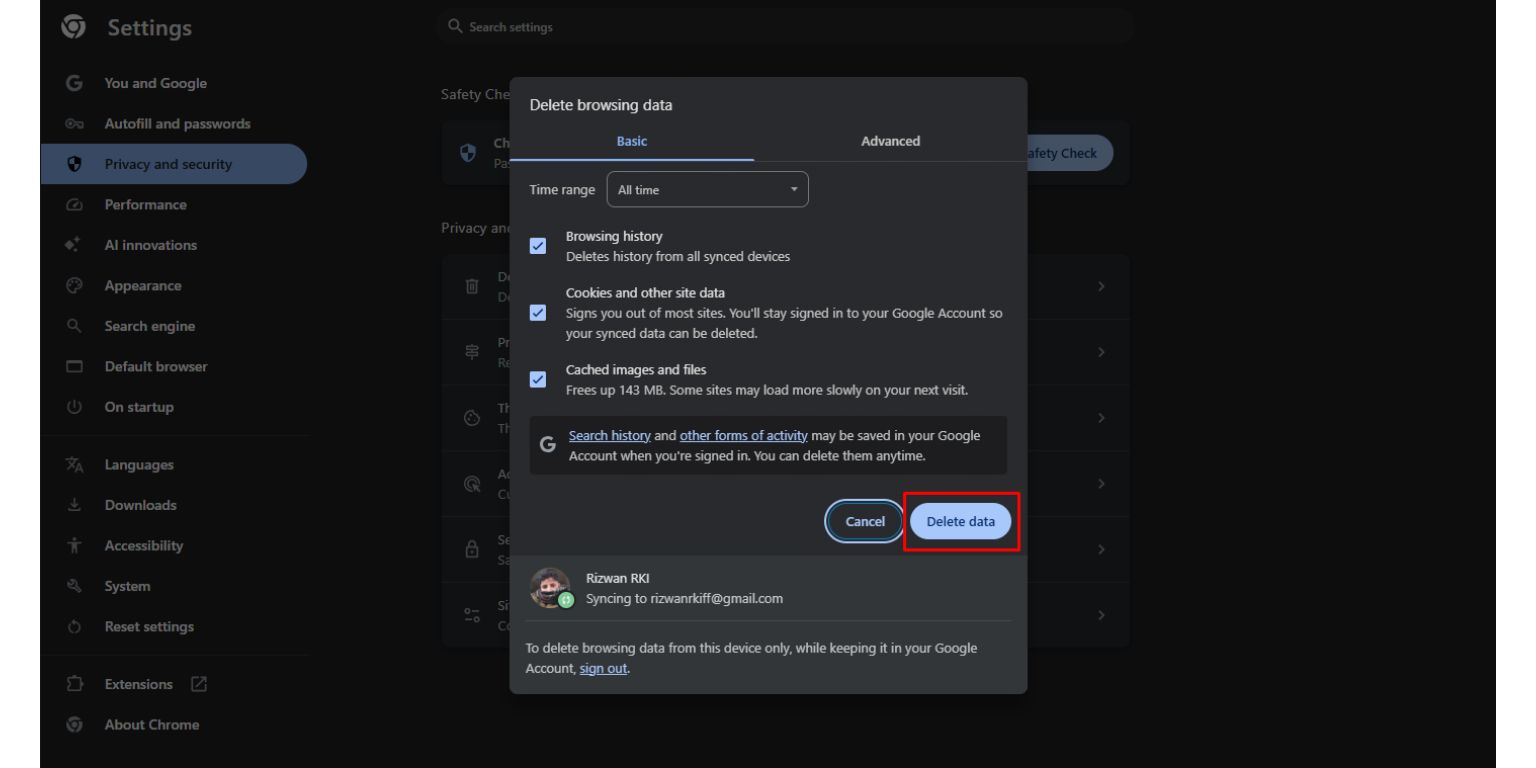
Even with a proxy, websites may still track users through:
- First-party and third-party cookies
- Local storage and session storage
- Behavioral patterns and interaction timing
A proxy changes where traffic comes from, not how unique a user appears to tracking systems.
How These Myths Put Privacy at Risk
Believing proxy myths often leads to risky behavior. Users may log into sensitive accounts, transmit confidential data, or ignore basic security practices because they feel protected.
This misplaced confidence can result in:
- Identity theft
- Account compromise
- Long-term behavioral profiling
Ironically, the tool meant to improve privacy becomes the reason it fails.
Smarter Ways to Use Proxies Safely
Proxies are not inherently dangerous. When used correctly, they can be useful tools within a broader privacy strategy.
More responsible usage includes:
- Choosing reputable, transparent providers
- Always using HTTPS connections
- Combining proxies with browser privacy controls
- Understanding what traffic is and is not protected
Privacy is not achieved through a single tool but through layered awareness and informed configuration.
FAQ: Common Questions About Proxies and Privacy
-
Do proxies hide my real IP address?
Yes, proxies typically replace your real IP with their own, but this alone does not ensure anonymity. -
Can a proxy protect me on public Wi-Fi?
Only partially. Without encryption, a proxy does not prevent others on the network from intercepting traffic. -
Are paid proxies always safe?
Not necessarily. Paid services vary in quality, logging policies, and security practices. -
Is it illegal to use a proxy?
In most countries, using a proxy is legal, but activities performed through it may still be subject to laws. -
What is the biggest mistake proxy users make?
Assuming a proxy alone provides complete privacy and adjusting behavior accordingly.