


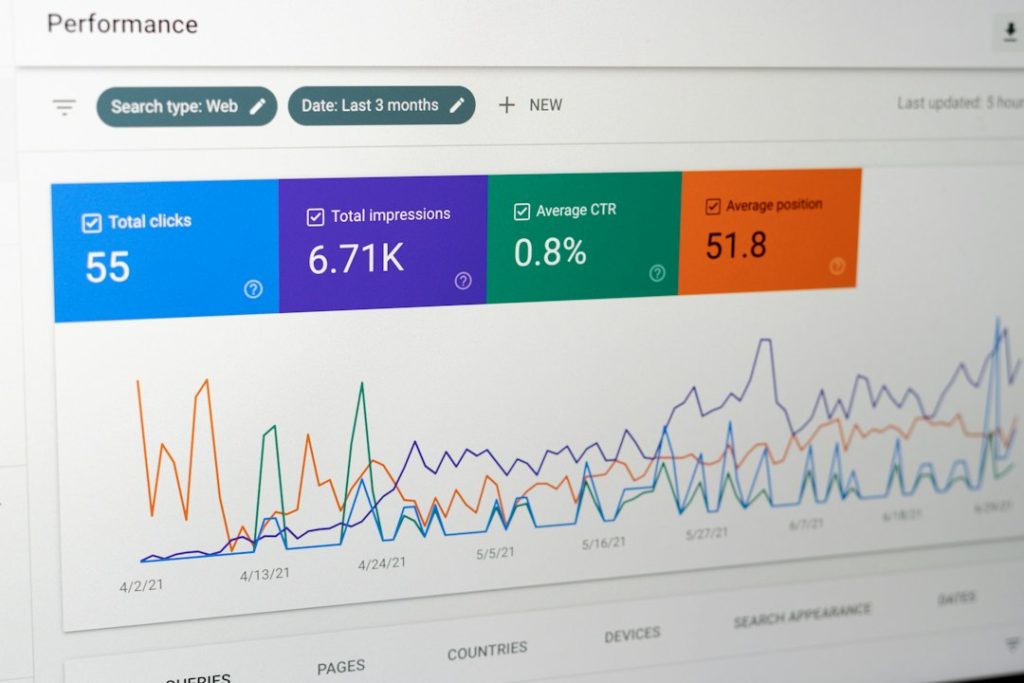
Use Google Analytics 4 to measure broad brand awareness, and use HubSpot to connect that awareness to real people, campaigns, and revenue. If your KPI is “Are more people finding us?”, GA4 is usually the better first stop. If your KPI is “Which awareness efforts are creating contacts and deals?”, HubSpot gives the cleaner story.
TLDR: Google Analytics is stronger for traffic-based brand awareness KPIs such as branded search, direct visits, new users, engaged sessions, and referral traffic. HubSpot is stronger when you need to tie awareness to contacts, lifecycle stage, email engagement, forms, and sales outcomes. For example, a SaaS company might see branded organic sessions rise from 4,000 to 5,600 in GA4, a 40% lift, while HubSpot shows that only 180 of those visitors became new contacts. Together, those numbers show both reach and real business impact.
What “brand awareness KPI” really means
Brand awareness is hard to measure because people rarely discover a brand in one neat, trackable moment. Someone may see a LinkedIn post, hear a podcast ad, search your name three days later, visit your pricing page, then leave without filling out a form. That does not mean the campaign failed. It means the trail is messy.
A good brand awareness KPI should answer one of three questions:
- Reach: Are more people seeing or hearing about the brand?
- Recall: Are more people searching for the brand by name?
- Response: Are more people visiting, engaging, subscribing, or converting?
Google Analytics and HubSpot both help, but they measure different parts of the journey. Treating them as rivals can lead to poor reporting. Treating them as two lenses gives you a better view.

Google Analytics: best for top level awareness signals
Google Analytics 4 is built to track website behavior. It tells you what people do before they become known contacts. That makes it valuable for measuring the early stages of brand awareness.
The strongest GA4 brand awareness KPIs include:
- Direct traffic: A rise can suggest stronger brand recall, especially when paired with other signals.
- Branded organic search: Searches for your company, products, founders, or branded phrases.
- New users: A useful reach metric, though not perfect because of cookie limits.
- Engaged sessions: Better than raw sessions because it shows visitors did more than bounce.
- Referral traffic: Useful after PR, partnerships, podcast mentions, reviews, and media features.
- Returning users: A sign that people remember you enough to come back.
The catch is that GA4 can be annoying when you want a simple brand report. You may need custom channel groups, search query data from Google Search Console, event setup, and UTM discipline. A task that sounds like it should take 30 seconds can turn into 20 minutes of tab hopping.
Still, GA4 shines when you need a broad answer. Did awareness increase after the campaign went live? Did branded search rise? Did more first-time visitors reach the site? GA4 is built for that kind of question.
HubSpot: best for known contacts and campaign influence
HubSpot starts becoming more useful once a visitor identifies themselves. That may happen through a form, chatbot, meeting link, newsletter signup, demo request, or content download. From that point on, HubSpot can connect marketing activity to a contact record.
Useful HubSpot brand awareness KPIs include:
- New contacts by source: Shows which channels are creating known audience growth.
- Form submissions: Indicates that awareness has turned into active interest.
- Email subscriber growth: Helpful for brands building an owned audience.
- Campaign influenced contacts: Shows how many contacts interacted with a campaign.
- Social post clicks and interactions: Useful if HubSpot is connected to your social accounts.
- Lifecycle stage movement: Tracks whether awareness is creating qualified demand.
HubSpot is especially helpful for B2B teams. A visitor from a target account might read three blog posts, sign up for a webinar, and later book a demo. GA4 can show the sessions. HubSpot can show the person, the company, the campaign touchpoints, and the sales outcome.
Honestly, it feels like HubSpot should make attribution simpler than it does. Contact source fields can get messy. Offline sales activity adds noise. Imports can overwrite clean data. If your team is not strict with naming rules and tracking links, reports can become a storage closet with nice charts.

Google Analytics vs HubSpot: side by side
| Measurement need | Best tool | Why it matters |
|---|---|---|
| Branded search growth | Google Analytics plus Search Console | Shows whether more people are seeking your brand by name. |
| Direct traffic trends | Google Analytics | Useful signal for brand recall, though not perfect. |
| New contact creation | HubSpot | Shows how anonymous awareness becomes known demand. |
| Campaign influenced pipeline | HubSpot | Connects marketing touches to deals and revenue. |
| Content engagement | Both | GA4 shows behavior depth. HubSpot shows contact-level engagement. |
Which KPIs should you report?
A smart brand awareness dashboard should not include every metric under the sun. Too many numbers make teams argue instead of act. Pick a small set that matches your goal.
For early-stage awareness, use GA4-heavy KPIs:
- Branded organic sessions
- Direct sessions
- New users
- Engaged session rate
- Referral sessions from media, partners, and communities
For demand creation, use HubSpot-heavy KPIs:
- New contacts by original source
- Content downloads or form fills
- Newsletter subscribers
- Webinar registrations
- Campaign influenced deals
For executive reporting, combine both:
- Awareness lift: Branded search up 32% quarter over quarter.
- Audience growth: New contacts from organic and referral up 18%.
- Quality signal: Engaged sessions from branded traffic at 71%.
- Business signal: 24 influenced opportunities tied to brand campaigns.
A practical reporting example
Say a cybersecurity company runs a six-week thought leadership campaign. It includes founder posts on LinkedIn, two podcast interviews, a research report, and paid promotion to IT leaders.
In GA4, the team sees:
- Branded organic traffic rose from 8,200 to 10,900 sessions.
- Direct traffic increased by 19%.
- Referral traffic from podcast show notes produced 1,150 sessions.
- Engaged session rate on campaign landing pages hit 63%.
In HubSpot, the same campaign shows:
- 420 new contacts connected to campaign assets.
- 96 webinar registrations from target accounts.
- 31 sales qualified leads.
- 7 open deals influenced by campaign touchpoints.
The GA4 report proves the brand became more visible. The HubSpot report proves some of that visibility created business value. Neither tool tells the full story alone.

Common mistakes to avoid
Do not treat direct traffic as pure brand awareness. Direct traffic can include dark social, untagged email, secure to non-secure traffic, bookmarks, and tracking gaps. Use it as a clue, not as proof.
Do not ignore branded search. Branded search is one of the clearest signs of recall. If more people search for your name, product names, or branded terms, awareness is likely growing.
Do not judge brand campaigns only by leads. Brand building often works before people are ready to convert. If you only track form fills, you may cut campaigns that are helping future demand.
Do not compare GA4 and HubSpot numbers one to one. They use different tracking methods and attribution rules. Expect differences. The goal is directionally useful insight, not perfect matching.
The best setup
The best approach is simple: use Google Analytics as your awareness radar and HubSpot as your contact and revenue tracker. GA4 tells you whether attention is rising. HubSpot tells you whether that attention is turning into relationships and sales opportunities.
If you are a small team, start with five KPIs: branded organic sessions, direct sessions, new users, new contacts, and campaign influenced contacts. Review them monthly. Add pipeline metrics once your tracking is stable.
Brand awareness is not one magic number. It is a cluster of signals. GA4 shows the crowd forming. HubSpot shows who steps forward. Use both, and your brand reporting gets much harder to dismiss.