


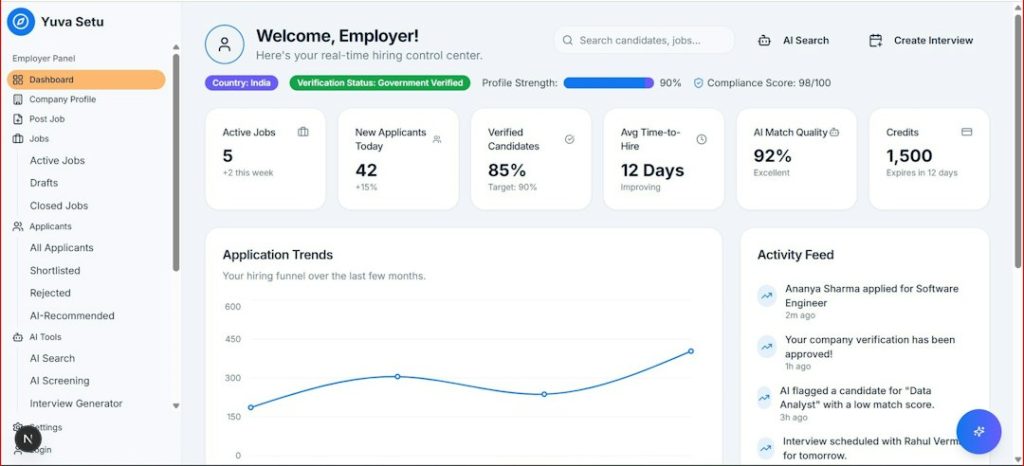
Start with SE Ranking or Semrush if you want one tool for keyword research, rank tracking, and site audits. They cover the most ground, and both are friendly enough for teams that do not live inside SEO reports all day. That matters because the top organic Google result gets about 27.6% of clicks, so small ranking gains can turn into real traffic gains [source: Backlinko].
TLDR: The best SEO tools with free trials are SE Ranking, Semrush, Moz Pro, Mangools, Serpstat, SpyFu, SEO PowerSuite, WooRank, and similar platforms that let you test data before paying. For example, a small ecommerce site with 220 product pages could run an audit, find 60 missing meta descriptions, track 50 target keywords, and compare 5 competitors in a single week. If rankings improve from position 12 to position 7 on ten keywords, the traffic lift can be noticeable. Pick based on your main job: keywords, rank tracking, or technical SEO.

1. SE Ranking
Best for: agencies, small businesses, and practical rank tracking.
SE Ranking is one of the easiest tools to test because it balances depth with a clean interface. You get keyword research, daily rank tracking, backlink checks, competitor research, and site audits. The pricing is also less painful than some bigger platforms.
- Keyword research: Good for search volume, keyword difficulty, and related terms.
- Rank tracking: Strong local, mobile, and desktop tracking.
- Website audits: Clear issue lists with simple fixes.
The small annoyance: some reports feel a bit buried. You may click around for a minute before finding the exact export you want.
2. Semrush
Best for: all-in-one SEO and competitor research.
Semrush is packed. It handles keyword research, content planning, rank tracking, audits, backlink analysis, PPC research, and competitor spying. If you are testing only one premium SEO platform, this should be on the shortlist.
- Keyword Magic Tool: Great for finding long-tail terms.
- Position Tracking: Useful for daily ranking changes.
- Site Audit: Finds crawl errors, broken links, slow pages, and HTTPS issues.
Honestly, it feels like Semrush wants to show you everything at once. That is useful, but new users can feel boxed in by menus, widgets, and upgrade prompts.
3. Moz Pro
Best for: simple keyword research and link metrics.
Moz Pro is a good trial option if you want clean SEO data without a steep learning curve. Its Keyword Explorer is easy to read, and its Domain Authority metric is widely known. The rank tracking is dependable, though not as flexible as SE Ranking for local campaigns.
- Great for beginners: Clear design and plain reports.
- Good link data: Helpful for competitor checks.
- Solid audits: Finds major crawl and on-page issues.
4. Mangools
Best for: bloggers, freelancers, and small sites.
Mangools is popular because it feels light. The toolset includes KWFinder, SERPChecker, SERPWatcher, LinkMiner, and SiteProfiler. It is not as deep as Semrush, but it is much easier to use.
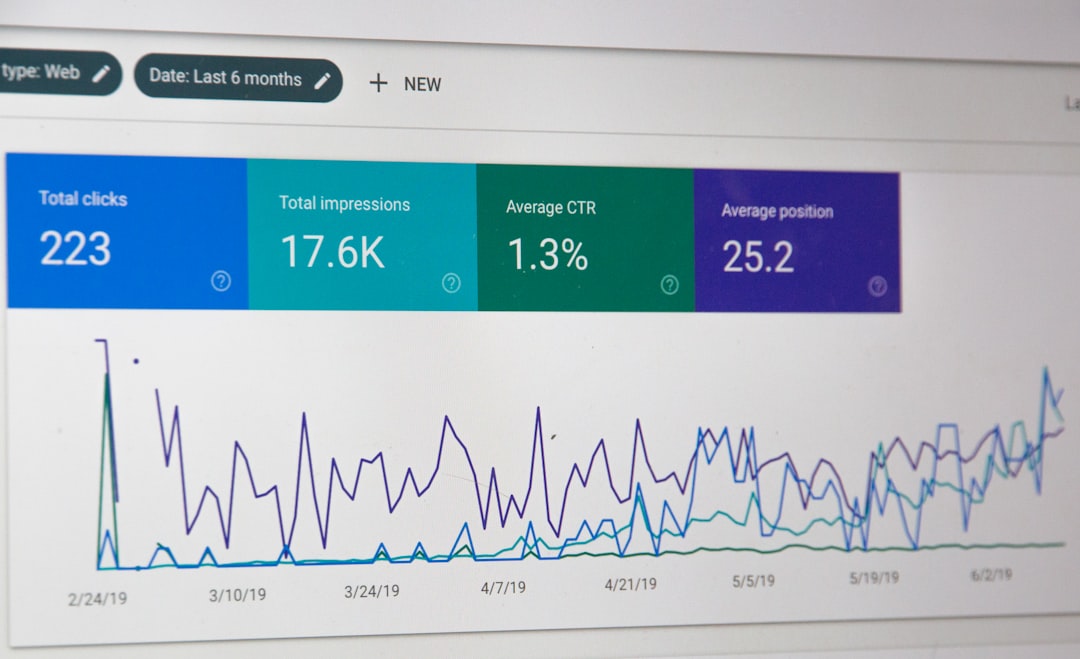
If you mainly need keyword ideas and simple rank tracking, Mangools is a nice test. The keyword difficulty score is easy to understand, even for non-technical users.
5. Serpstat
Best for: budget-friendly SEO with lots of features.
Serpstat covers keyword research, rank tracking, site audits, backlink analysis, and competitor research. It often feels like a lower-cost alternative to Semrush. The database can be weaker in some smaller markets, so test your country and niche before buying.
- Use it for: keyword gaps, domain comparisons, and audits.
- Watch for: uneven keyword data in less common regions.
6. SpyFu
Best for: competitor keyword research.
SpyFu is built around competitive research. Enter a rival domain, and you can see organic keywords, paid keywords, ranking history, and ad examples. It is especially useful if you want to know which search terms are already working for competitors.
The rank tracking is fine, but the real value is the competitor view. If your market has three obvious rivals, SpyFu can give you quick content ideas in under an hour.
7. SEO PowerSuite
Best for: desktop SEO audits and heavy reporting.
SEO PowerSuite is different because it runs as desktop software. The suite includes Rank Tracker, WebSite Auditor, SEO SpyGlass, and LinkAssistant. It can be very powerful, especially for audits and large keyword lists.
The catch is that desktop tools feel slower if you are used to cloud apps. Expect updates, project files, and occasional waiting. Still, the audit depth is strong, and the reports can look polished with some setup.
8. WooRank
Best for: quick website audits and sales reports.
WooRank is a smart pick when you need a fast health check. It scores your site and flags SEO, mobile, usability, security, and performance issues. It is not the deepest keyword tool here, but it is very good for simple audits.
- Use it for: client reports, quick reviews, and lead audits.
- Skip it if: you need advanced keyword clustering or deep backlink research.
How to Choose the Right Trial
Do not test every tool at once. That gets messy fast. Pick one main goal first.
- For keyword research: Try Semrush, Mangools, or Moz Pro.
- For rank tracking: Try SE Ranking or SEO PowerSuite.
- For website audits: Try Semrush, WooRank, or SEO PowerSuite.
- For competitor research: Try SpyFu, Semrush, or Serpstat.
Simple 7-Day Testing Plan
- Day 1: Add your domain and connect Google Search Console if supported.
- Day 2: Run a full site audit and export the top 25 issues.
- Day 3: Track 30 to 100 keywords.
- Day 4: Compare three competitors.
- Day 5: Build a list of 20 content ideas.
- Day 6: Check backlinks and toxic links.
- Day 7: Review reports and decide if the tool saves enough time.
Final pick: choose SE Ranking for value, Semrush for power, Mangools for ease, and WooRank for quick audits. Trial terms change often, so check limits before you start. A free trial is only useful if you enter with a plan, test real keywords, and export the data before the clock runs out.