


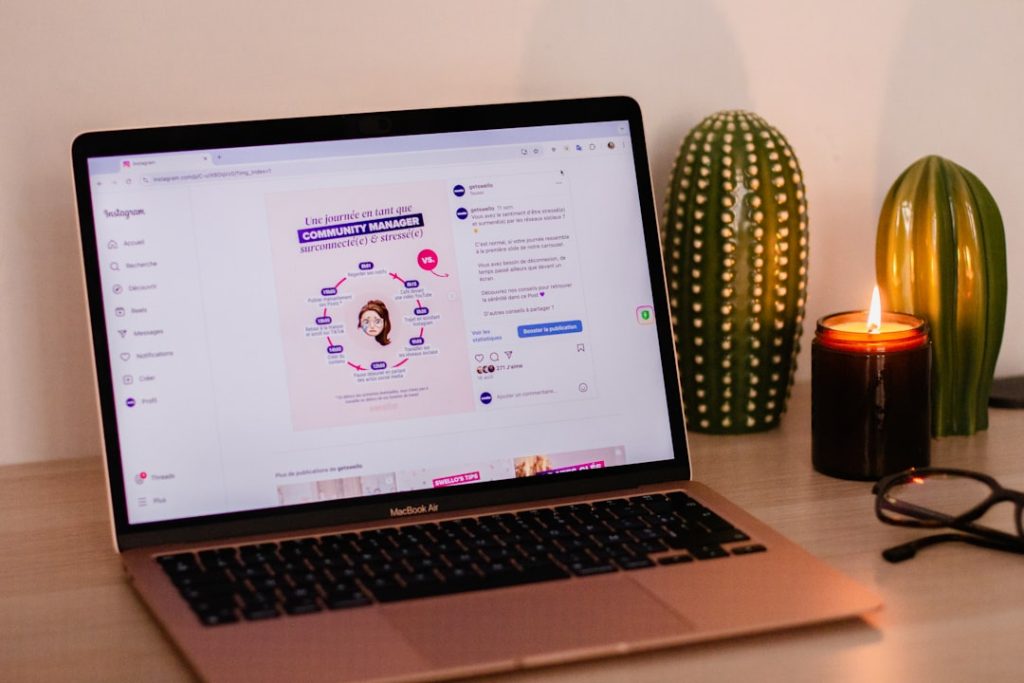
Canva has become a default choice for quick visual design, but it is not the only practical option. Many designers, marketers, small business owners, students, and beginners need tools that cost less, offer more control, or better fit a specific workflow. The good news is that several affordable alternatives provide strong templates, editing features, collaboration options, and export formats without requiring advanced design experience.
TLDR: Affordable Canva alternatives exist for nearly every type of user, from beginners making social media graphics to designers needing more precise editing tools. Adobe Express, VistaCreate, Pixlr, Photopea, Figma, and Affinity Designer are among the strongest options depending on your needs. Beginners should prioritize templates and ease of use, while designers should look closely at file formats, typography controls, and export quality.
Why Look Beyond Canva?
Canva is popular because it is simple, fast, and accessible. However, some users eventually run into limitations. These may include subscription costs, limited advanced editing features, restricted brand control, or the need for offline access. For designers, the issue is often not whether Canva is useful, but whether it is flexible enough for professional work.
For beginners, an alternative may simply offer a cheaper plan, a more generous free tier, or a more focused interface. For professionals, the best alternative may support vector editing, layered files, better typography, or integration with a broader design workflow.
What Makes a Good Affordable Design Tool?
Before choosing a platform, it is important to define what affordable really means. The cheapest tool is not always the best value. A free platform that limits exports or locks useful features behind a paywall may become expensive in practice.
When comparing tools, consider the following:
- Ease of use: Beginners need a clean interface and ready-made templates.
- Template quality: Templates should look modern, professional, and adaptable.
- Export options: Look for PNG, JPG, PDF, SVG, and transparent background support where needed.
- Brand consistency: Brand kits, saved colors, and font management are useful for businesses.
- Collaboration: Teams may need commenting, sharing, and real-time editing.
- Commercial rights: Always check licensing terms for images, icons, fonts, and templates.
1. Adobe Express: Best for Polished Templates and Quick Content
Adobe Express is one of the most credible Canva alternatives, especially for users who want professional-looking results without learning complex software. It offers templates for social posts, posters, flyers, presentations, videos, and simple web pages.
The free plan is useful for basic work, while the paid plan can be worthwhile if you need premium assets and brand features. Adobe Express is particularly strong for users already familiar with the Adobe ecosystem, although it remains beginner-friendly.
Best for: social media graphics, marketing content, quick promotional materials, and users who want a polished template library.
2. VistaCreate: Best for Social Media and Small Businesses
VistaCreate is another affordable option for users who want an experience similar to Canva. It provides a large template library, easy drag-and-drop editing, animation tools, background removal on paid plans, and brand kits.
Its interface is approachable, making it suitable for beginners, freelancers, and small business owners who create regular promotional content. It is particularly practical for social media posts, ads, event graphics, and simple branding materials.
Best for: entrepreneurs, content creators, local businesses, and users who value speed over advanced design control.
3. Pixlr: Best for Browser-Based Photo Editing
Pixlr is less of a template-first design tool and more of a browser-based image editor. It is a strong choice if your work involves editing photos, removing backgrounds, creating composites, or making quick visual adjustments.
Pixlr offers different editing modes, including simpler tools for beginners and more advanced tools for users familiar with layers and image manipulation. Its pricing is usually competitive, and the browser-based setup means there is no heavy installation process.
Best for: photo editing, image cleanup, background edits, thumbnails, and quick graphics that require more control than a template editor.
4. Photopea: Best Free Alternative for Advanced Editing
Photopea is one of the most impressive free design tools available in a browser. It resembles professional image editing software and supports layered files, including PSD formats. This makes it valuable for designers who need advanced control but do not want to pay for a full professional subscription.
However, Photopea is not as beginner-friendly as Canva. It has a steeper learning curve, especially for users unfamiliar with layers, masks, and advanced editing panels. Still, for those willing to learn, it offers exceptional value.
Best for: designers on a budget, PSD editing, advanced image manipulation, and users who need professional-style tools for free.
5. Figma: Best for Collaboration and Interface Design
Figma is not a direct Canva replacement for every use case, but it is excellent for collaborative design. It is widely used for interface design, wireframes, presentations, design systems, and team-based creative work.
Figma’s free plan is generous for individuals and small projects. It allows real-time collaboration, reusable components, precise layout control, and browser-based access. Beginners may need time to understand frames, components, and constraints, but the platform is highly valuable once learned.
Best for: UI design, web mockups, collaborative projects, presentations, and teams that need detailed control.
6. Affinity Designer: Best One-Time Purchase for Serious Designers
Affinity Designer is a professional vector and raster design application with a one-time purchase model. This makes it attractive for designers who dislike ongoing subscriptions. It is not a template-based beginner tool like Canva, but it is much more powerful for logo design, illustrations, icons, print layouts, and scalable graphics.
Because it is professional software, it requires more learning. Beginners can still use it, but they should expect a more traditional design workflow. For users who want long-term value and serious creative control, Affinity Designer is one of the strongest affordable options.
Best for: vector graphics, logos, illustrations, print design, and designers who prefer owning software rather than renting it.
How to Choose the Right Alternative
The right choice depends on your skill level, budget, and typical projects. A beginner creating Instagram posts does not need the same tool as a designer building brand assets or interface layouts.
- If you want Canva-like simplicity: choose Adobe Express or VistaCreate.
- If you edit photos often: choose Pixlr or Photopea.
- If you work with teams or interfaces: choose Figma.
- If you need professional vector design: choose Affinity Designer.
- If you need the lowest cost: start with free plans before upgrading.
Important Limitations to Consider
Affordable tools can be excellent, but each has trade-offs. Some free plans include watermarks, limited storage, restricted exports, or fewer stock assets. Others may have a learning curve that slows down beginners. Professional tools may offer better control but fewer ready-made templates.
It is also important to review licensing terms. If you are creating designs for clients or commercial campaigns, confirm that fonts, images, illustrations, and templates are permitted for that use. This is especially important when using free assets.
Final Recommendation
For most beginners, Adobe Express and VistaCreate are the easiest affordable Canva alternatives because they provide familiar template-based workflows. For users who want stronger editing capabilities without high costs, Pixlr and Photopea are excellent choices. For professional designers, Figma and Affinity Designer offer more control, better scalability, and serious long-term value.
The best approach is to test two or three tools with the same project, such as a social media post, flyer, or logo concept. Compare the time required, export quality, ease of editing, and final result. A good design tool should not only be affordable; it should help you create consistent, professional work with confidence.