
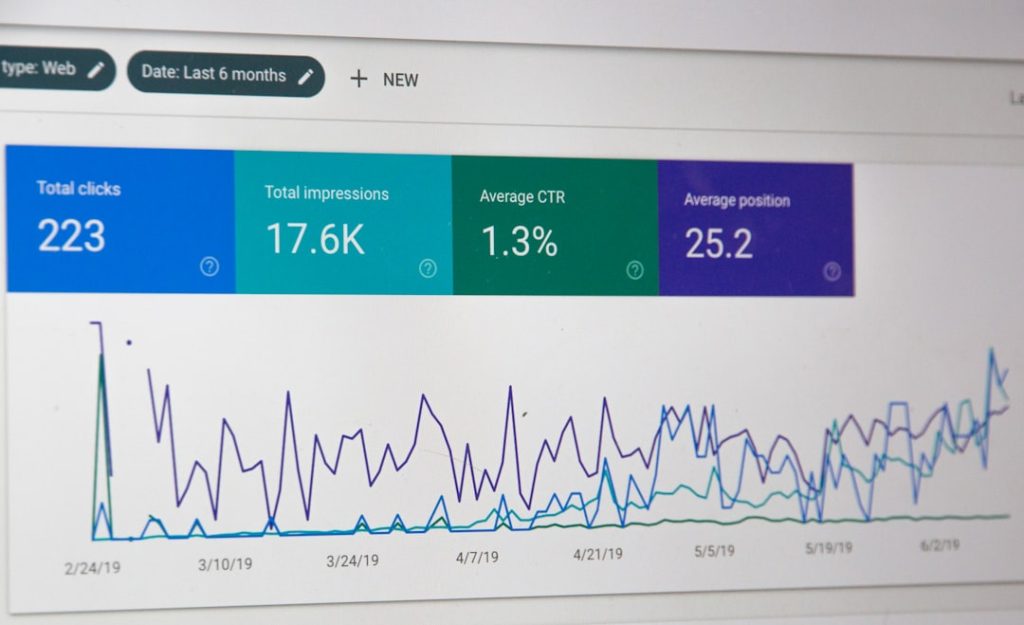
The best SEO rank tracking tool is the one that shows national keyword movement, visibility share, and real business impact in one place. Rankings alone are not enough. Organic search can drive more than half of website traffic in many studies, with BrightEdge reporting organic search at 53% of trackable web traffic [source: BrightEdge].
TLDR: Use Semrush, Ahrefs, Moz Pro, SE Ranking, AccuRanker, or seoClarity to track national search positions and organic visibility. For example, if you monitor 300 national keywords and 42 move from positions 11–20 into the top 10, that can signal a major visibility gain before revenue reports catch up. A good tool should show keyword rank, search volume, SERP features, competitors, and share of voice. Pick based on your reporting needs, budget, and how often you need fresh ranking data.
National SEO tracking sounds simple. You enter keywords, choose a country, and wait for reports. Then reality hits. Google results vary by device, location, search history, SERP features, and timing. That is why proper tracking tools matter.
Below are six strong options for tracking national search positions and measuring organic visibility.
1. Semrush
Semrush is one of the most complete tools for national rank tracking. Its Position Tracking feature lets you monitor keywords by country, device, and search engine. You can also compare your visibility against competitors.
What makes Semrush useful is the mix of ranking data and wider SEO context. You can see keyword movement, estimated traffic, SERP features, cannibalization, and competitor wins. If a rival suddenly jumps ahead for 50 commercial keywords, you will spot it fast.
- Best for: agencies, in-house SEO teams, large content sites
- Key strength: strong competitor tracking and visibility charts
- Small annoyance: reports can feel crowded until you customize them
2. Ahrefs
Ahrefs is known for backlinks, but its rank tracking is strong too. You can track national rankings across desktop and mobile, group keywords by topic, and monitor visibility over time.
The main win is how Ahrefs connects rankings with keyword difficulty, backlinks, and content performance. If a page drops from position 4 to 12, you can quickly check whether competitors gained links or improved content.
Honestly, it feels like Ahrefs sometimes makes you click one step too many to get a simple “what changed?” answer. Still, the data is clean and useful.
- Best for: SEO teams that care about links and rankings together
- Key strength: strong keyword and backlink context
- Watch for: credit limits and plan restrictions
3. Moz Pro
Moz Pro is a friendly option for teams that want clear rank tracking without feeling buried in menus. Its campaigns help you track national keyword positions, visibility, page optimization, and competitors.
Moz is not always the flashiest tool. That can be a good thing. The interface is simple, and reports are easy to explain to clients or managers who do not live inside SEO dashboards.
- Best for: small teams, consultants, SEO beginners
- Key strength: simple reporting and clear visibility scoring
- Watch for: less depth than heavier enterprise platforms

4. SE Ranking
SE Ranking is a strong value pick. It tracks national rankings across devices and search engines, and it includes visibility metrics, competitor monitoring, traffic forecasts, and reporting.
The nice part is pricing flexibility. You can adjust plans based on how often rankings update. Daily tracking costs more, while less frequent updates can save money.
Expect to waste time at first if you overbuild your keyword groups. Keep them tidy. Split branded, commercial, informational, and location-free national keywords into separate folders.
- Best for: budget-aware teams and growing agencies
- Key strength: affordable rank tracking with solid reports
- Watch for: setup can get messy if keyword lists are not planned
5. AccuRanker
AccuRanker is built for rank tracking. It is fast, clean, and focused. If you mainly want accurate national keyword positions, fresh updates, and share of voice reporting, it is a very strong pick.
Its Share of Voice metric is useful because it turns rankings into a clearer visibility number. A keyword in position 2 with 40,000 searches matters more than a keyword in position 4 with 90 searches. AccuRanker helps show that difference.
- Best for: rank tracking specialists and agencies
- Key strength: fast updates and clean visibility metrics
- Watch for: fewer all-in-one SEO features than Semrush or Ahrefs
6. seoClarity
seoClarity is made for large brands and enterprise SEO teams. It tracks rankings at scale and connects visibility with content, technical SEO, and demand data.
This is not the tool most small businesses need. It is built for teams tracking thousands or millions of keywords across markets, product lines, and search intents. For big national sites, that scale can be worth it.
- Best for: enterprise SEO teams and large ecommerce sites
- Key strength: huge-scale tracking and advanced visibility analysis
- Watch for: pricing and setup are usually too much for small teams
What to Measure Besides Rank
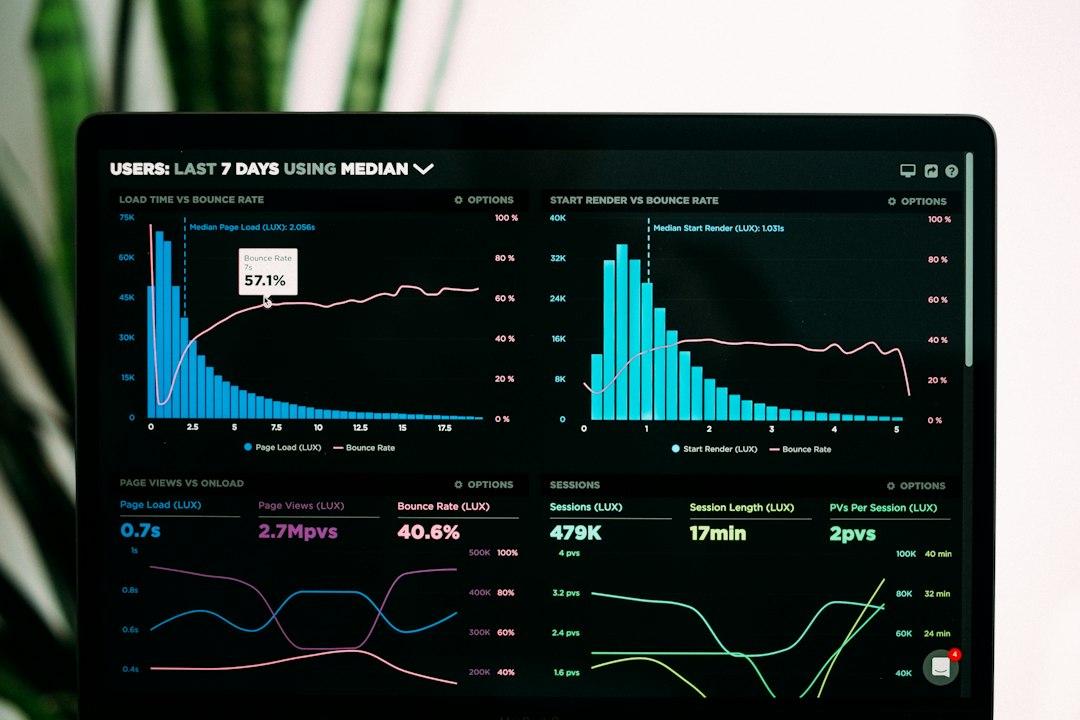
Rank is only one number. A keyword can rise, yet clicks may drop if Google adds more ads, shopping results, videos, or AI-style summaries. Track these metrics too:
- Visibility score: how visible your site is across all tracked keywords
- Share of voice: your estimated search presence versus competitors
- Top 3, top 10, and top 20 counts: simple signs of growth or decline
- SERP features: snippets, image packs, videos, local packs, and ads
- Estimated traffic: ranking movement weighted by search volume
- Keyword groups: branded, non-branded, commercial, and informational terms
Which Tool Should You Pick?
Choose Semrush if you want an all-in-one SEO suite. Pick Ahrefs if links and content research matter just as much as rankings. Use Moz Pro if you need simple reports. Go with SE Ranking if cost control matters. Choose AccuRanker if rank tracking is your main job. Consider seoClarity if your site is huge and reporting needs are complex.
The smartest setup is simple: track fewer keywords, but track the right ones. A clean list of 500 valuable national terms beats 5,000 random phrases every time. Measure visibility weekly, review major drops daily, and tie ranking movement back to leads, sales, or signups. That is where SEO tracking turns into useful business insight.