


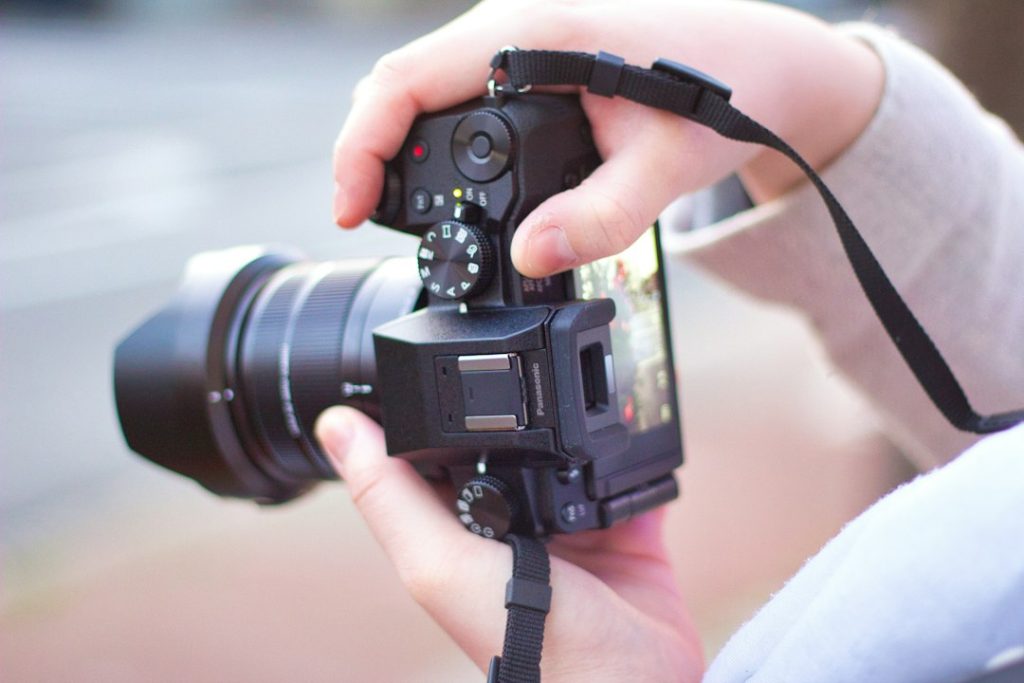
A prime lens is a camera lens with one fixed focal length, such as 35mm, 50mm, or 85mm, and it does not zoom. That simple design often gives you a wider aperture, sharper images, lower weight, and better low-light results than many zoom lenses. A typical example is Canon’s 50mm f/1.8 lens, a small prime with a bright aperture and a listed weight of about 160g [source: Canon].
TLDR: A prime lens is best when image quality, low-light performance, and subject separation matter more than zoom range. For example, a 50mm f/1.8 prime can let in roughly four times more light than an f/3.5 lens at the same ISO and shutter speed, which can be the difference between a clean indoor portrait and a noisy one. If you shoot portraits, street photos, food, products, or video, a 35mm or 50mm prime is often a smart first buy. If you shoot sports, wildlife, or events where you cannot move freely, a zoom may still be the safer option.
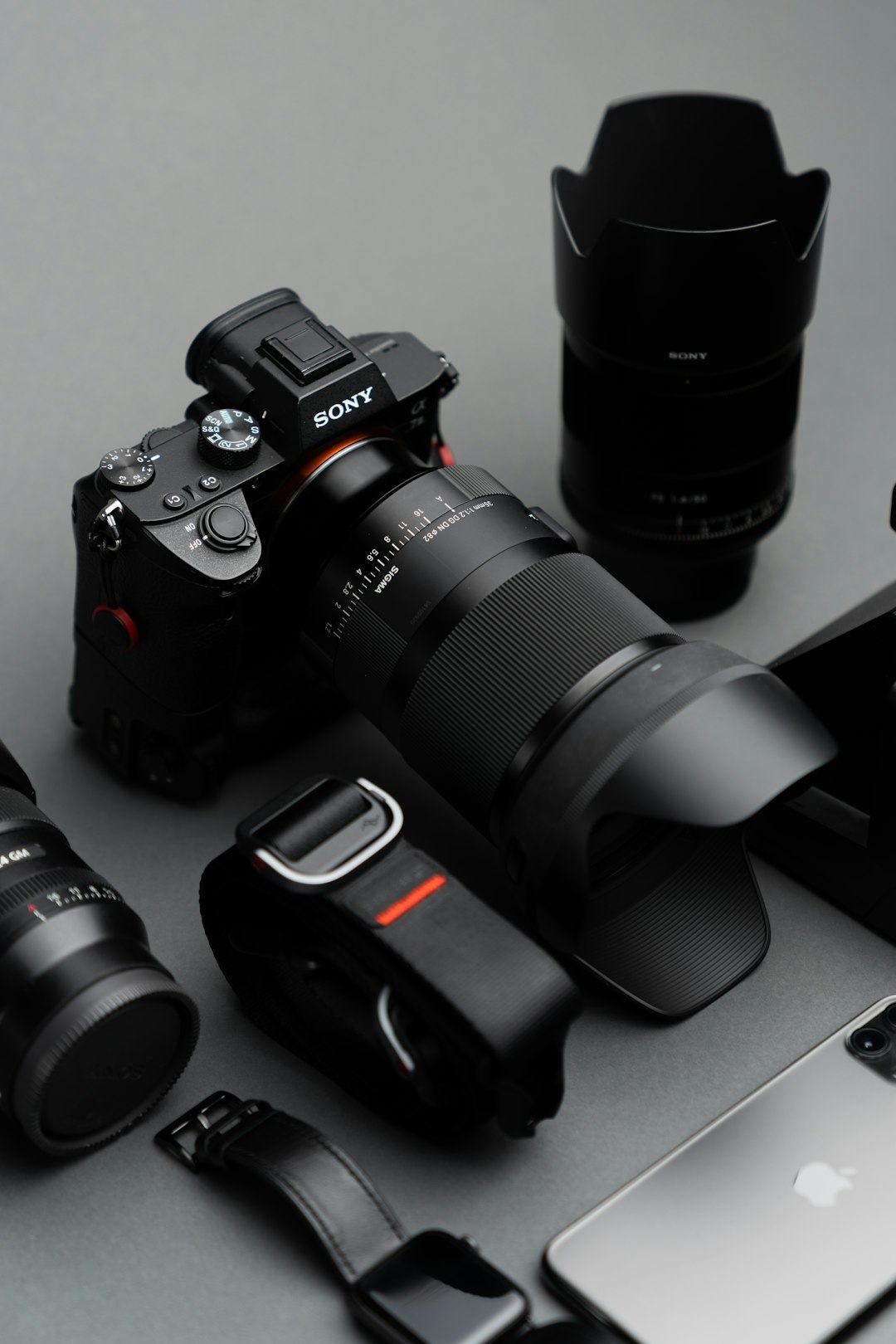
What Is a Prime Lens?
A prime lens has a single focal length. A 35mm prime is always 35mm. A 50mm prime is always 50mm. To change framing, you move your body, change your shooting position, or switch lenses.
That may sound limiting. In practice, it can be useful. A prime lens removes one decision from the shot. You are not twisting a zoom ring every few seconds. You learn how a focal length “sees.” Over time, this builds stronger composition habits.
The catch is that you cannot stand still and expect the lens to solve every framing problem. Honestly, it can be annoying when you need to back up two meters and there is a wall behind you. But that fixed view is also why many photographers get better faster with primes.
Why Prime Lenses Are Popular
- Wider apertures: Many primes offer f/1.8, f/1.4, or even f/1.2 apertures. This helps in low light and creates more background blur.
- Sharper images: Since primes are designed around one focal length, optical performance is often strong for the price.
- Smaller size: Many primes are lighter and easier to carry than fast zoom lenses.
- Better value: A good 50mm f/1.8 is usually one of the cheapest ways to improve image quality.
- Cleaner creative choices: You focus more on distance, angle, light, and timing.
Prime Lens Benefits in Real Shooting
The biggest benefit is light. A wide aperture lets more light hit the sensor. This allows faster shutter speeds, lower ISO settings, or both. For indoor family photos, weddings, restaurants, concerts, and evening street scenes, that matters.
The second benefit is subject separation. A wide aperture can blur the background behind a subject. This is why 85mm primes are so common in portrait work. Faces look clean, backgrounds become less distracting, and the viewer’s eye goes where it should.
The third benefit is discipline. A prime lens forces you to think. You cannot lazily zoom from the same spot. You step forward, crouch, shift left, or wait. That slower process can produce better frames, though it may cost you a few missed shots at first.

Common Prime Lens Focal Lengths
- 24mm: Good for interiors, travel, environmental portraits, and tight spaces. It can distort faces if used too close.
- 28mm: A useful walkaround choice. Wide, but not extreme.
- 35mm: A classic documentary and street focal length. It shows the subject and enough context.
- 50mm: Affordable, natural-looking, and flexible. Often called a “normal” lens on full-frame cameras.
- 85mm: Excellent for portraits, headshots, and detail shots with strong background blur.
- 100mm or 105mm macro: Best for small subjects, product work, insects, jewelry, and close-up textures.
Sensor size matters. On an APS-C camera, a 35mm lens often feels close to a 50mm lens on full frame. A 50mm lens on APS-C behaves more like a short portrait lens. Check your camera system before buying.
Best Uses for Prime Lenses
Portrait photography is one of the strongest uses. A 50mm, 85mm, or 105mm prime can create flattering perspective and strong background blur. For headshots, 85mm is a safe and respected choice.
Street photography works well with 28mm, 35mm, and 50mm primes. These lenses are small, fast, and discreet. They also make you learn distance, which is a real skill.
Food and product photography benefit from primes because sharpness and contrast matter. A macro prime is especially useful when details need to look crisp.
Video work also pairs well with primes. A fast prime can give footage a clean, polished look. Manual focus can be easier too, since many primes have smooth focus rings.
Prime Lens vs Zoom Lens
A zoom lens covers multiple focal lengths. A 24-70mm lens, for example, can shoot wide, normal, and short telephoto views without changing lenses. That is useful for events, sports, travel, news, and any job where the subject moves fast.
A prime lens usually wins on aperture, size, and price-to-quality ratio. A zoom lens usually wins on speed of framing and convenience. Neither is automatically better. The right choice depends on your work.
If you photograph weddings, children, wildlife, or live events, switching lenses can get old fast. Expect to waste time digging in your bag while the moment disappears. In those cases, a quality zoom can be the more professional choice.
Best Alternatives to Zoom Lenses
If you want to replace a zoom with primes, build a small kit rather than buying random focal lengths.
- One-lens setup: Choose a 35mm or 50mm prime. A 35mm is better for tighter spaces. A 50mm is better for portraits and cleaner background blur.
- Two-prime setup: Pair 35mm and 85mm. This covers daily shooting and portraits with very little overlap.
- Three-prime setup: Use 24mm, 50mm, and 85mm. This is a strong alternative to a 24-70mm zoom if you can tolerate lens changes.
- Compact travel setup: Try 28mm and 50mm. Both can be small, light, and practical for carry-all-day use.
- Product or close-up setup: Get a 100mm or 105mm macro prime. A normal zoom rarely matches a true macro lens up close.
How to Choose Your First Prime Lens
Start with what you shoot most. For people and everyday use, buy a 50mm f/1.8 if you use full frame. For APS-C users, a 35mm f/1.8 often makes more sense as a general lens.
If portraits are your main focus, consider an 85mm f/1.8. It gives flattering compression and smooth blur without the high cost of f/1.4 glass. If you shoot interiors or travel scenes, choose 24mm or 28mm instead.
Do not buy the widest aperture just because it sounds impressive. An f/1.4 lens can be heavier, more expensive, and harder to focus accurately. For many photographers, f/1.8 is the better balance.
When You Should Still Use a Zoom
A zoom lens is still the right tool when your position is fixed or the subject is unpredictable. Sports, wildlife, ceremonies, press work, and stage performances often demand fast framing changes. You may not get a second chance.
Zooms also reduce dust risk because you change lenses less often. They simplify packing. They help when traveling with one camera body. For paid work, that reliability can matter more than a slightly wider aperture.
Final Recommendation
Buy a prime lens if you want better low-light results, stronger background blur, sharper images, and a lighter kit. Start with one practical focal length, not a bag full of lenses. A 35mm, 50mm, or 85mm prime can teach you more about framing than many zooms ever will.
Keep a zoom if you need speed and coverage. Use primes when control, quality, and intent matter most. The best kit is not the biggest one. It is the one that helps you get the shot without getting in your way.