



The best choice depends on sales complexity: ActiveCampaign fits lean teams that need affordable email automation fast, while HubSpot fits companies that need CRM depth, sales handoff, reporting, and cleaner pipeline control. Lead nurturing matters because nurtured leads can produce 50% more sales-ready prospects at 33% lower cost [source: Adobe].
TLDR: ActiveCampaign is usually better for small teams that want strong email sequences, tagging, lead scoring, and behavior-based follow-ups without a huge budget. HubSpot is stronger when marketing, sales, and service teams need one shared system with contact history, deal stages, forms, ads, email, and reporting under one roof. For example, a 12-person SaaS team with 2,000 monthly leads may use ActiveCampaign to cut cold follow-up time by 30%, while a 70-person B2B company may use HubSpot to raise demo booking rates from 6% to 9% by syncing sales activity with marketing data.
Why Lead Nurturing Decides Revenue
Most prospects are not ready to buy after one form fill. They compare vendors. They ignore emails. They ask for pricing, then vanish for three weeks. Nurturing turns that messy behavior into a structured path.
A good nurturing system should do four things well:
- Segment contacts by interest, source, stage, and behavior.
- Send timely messages based on clicks, visits, forms, and sales actions.
- Score intent so sales teams focus on warmer leads.
- Show what worked through revenue, deal, and campaign reporting.
ActiveCampaign and HubSpot both handle this. They just serve different types of teams.
ActiveCampaign: Best for Practical, Email First Nurturing
ActiveCampaign is strong when a business needs automated email journeys that react to prospect behavior. It is especially useful for ecommerce brands, consultants, agencies, online education companies, and small B2B teams.
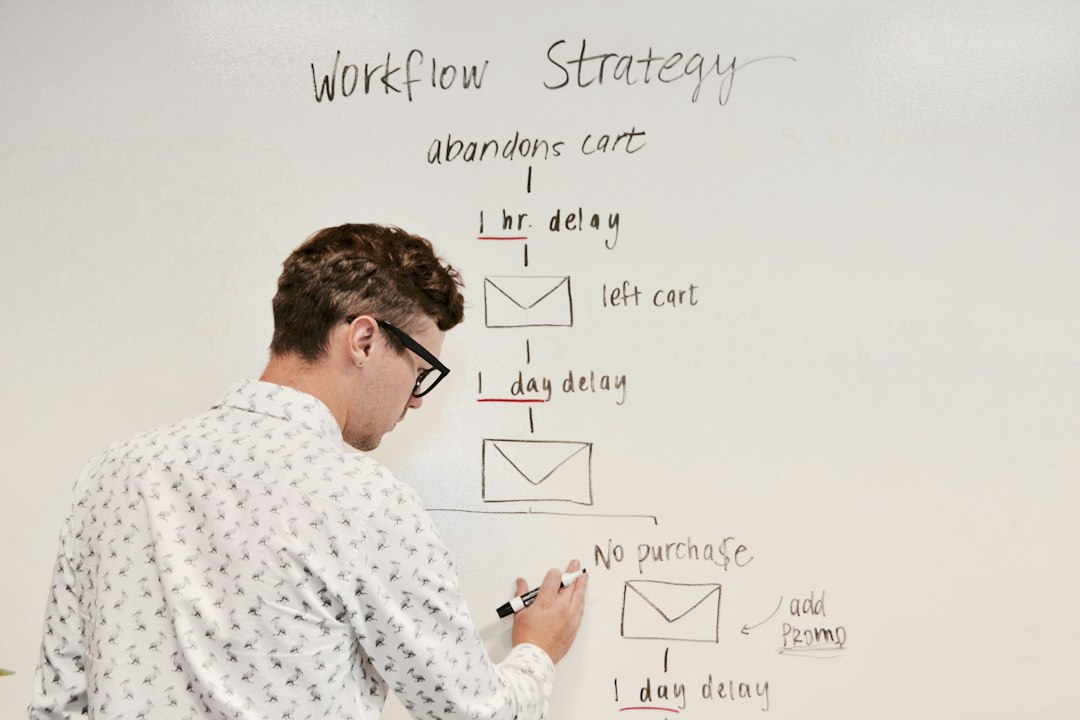
Its automation builder is one of its biggest strengths. A marketer can create paths such as:
- A lead downloads a guide.
- The system adds a tag for that topic.
- The lead receives a three-email education sequence.
- If the lead clicks pricing, the score increases.
- If the lead books a call, sales gets a task.
This works well because ActiveCampaign keeps automation visual and flexible. Tags, lists, conditions, goals, and site tracking can be combined in many ways. It feels built for marketers who care about timing and message relevance.
The catch is the CRM side can feel lighter than HubSpot. It can manage deals and tasks, but larger sales teams may want deeper forecasting, account views, and reporting. It also takes discipline to keep tags clean. Without naming rules, teams can end up with 300 tags that nobody wants to touch. Honestly, that gets old fast.
HubSpot: Best for Full Funnel Lead Conversion
HubSpot is better when nurturing must connect marketing, sales, and customer success. Its main value is not only automation. It is the way contacts, companies, deals, tickets, ads, forms, landing pages, and emails sit in one system.
For companies with longer sales cycles, that matters. A lead may read five blog posts, attend a webinar, open three emails, speak with sales, and return to a pricing page. HubSpot makes that history easier to see. Sales reps get better context before reaching out.
HubSpot also shines with lifecycle stages. Leads can move from subscriber to MQL, SQL, opportunity, customer, and evangelist. That gives teams a shared language. Marketing knows when to warm up a lead. Sales knows when to act. Managers know where leads stall.

Still, HubSpot can become expensive as contact counts rise and teams add advanced features. Some automation, attribution, and reporting tools require higher-tier hubs. It drives teams crazy that a simple idea can turn into a pricing check before anyone builds the workflow. Setup can also take longer because HubSpot rewards clean process design. Messy pipelines make messy reports.
ActiveCampaign vs. HubSpot for Core Nurturing Tasks
Email automation: ActiveCampaign is often faster for building personal, behavior-based sequences. HubSpot is also strong, but its best automation value appears when it connects email to CRM actions, forms, deals, and sales tasks.
Lead scoring: Both tools support scoring. ActiveCampaign is good for simple intent signals such as page visits, email clicks, and tag changes. HubSpot is stronger for teams that score leads with both marketing and sales data, such as company size, lifecycle stage, deal activity, and rep engagement.
CRM and sales handoff: HubSpot wins for structured sales teams. It gives clearer deal records, rep activity, meeting tools, email logging, and pipeline visibility. ActiveCampaign works well for smaller sales processes, but it may feel limited as sales operations grow.
Segmentation: ActiveCampaign gives excellent control through tags and custom fields. HubSpot gives powerful list building through CRM data. For simple and mid-level segmentation, both perform well. For account-based or multi-team segmentation, HubSpot usually has the edge.
Reporting: HubSpot is stronger for pipeline and revenue reporting. ActiveCampaign reports on campaigns and automation performance, but revenue attribution can require more setup or outside tools.
Which Tool Converts More Leads?
No platform converts leads by magic. Better conversion comes from matching the tool to the sales motion.
ActiveCampaign may convert more leads when:
- The company has a short or simple sales cycle.
- Email is the main nurturing channel.
- The team needs smart automation without heavy CRM work.
- Budget matters and contact volume is growing.
- Marketing owns most of the follow-up process.
HubSpot may convert more leads when:
- The company has a longer B2B sales cycle.
- Several reps need clean lead ownership.
- Marketing and sales need shared reporting.
- The team needs forms, landing pages, CRM, meetings, and deals together.
- Leadership cares about source-to-revenue tracking.
A simple rule helps: if the lead journey is mostly email driven, ActiveCampaign is hard to beat. If the journey involves many people, touchpoints, and deal stages, HubSpot is safer.
A Practical Nurturing Example
Consider a B2B software company offering a free checklist. With ActiveCampaign, the company can tag each lead by checklist topic, send five helpful emails, score pricing page visits, and alert sales after a lead reaches 40 points. This is clean and effective.
With HubSpot, the same company can do more across departments. The lead fills out the form, enters a workflow, receives emails, gets scored, books a meeting, becomes a deal, and receives sales sequences. Managers can then see which campaign created the deal and whether it closed.

The better system depends on what the company needs after the first click. If the goal is fast nurturing, ActiveCampaign is lean. If the goal is full revenue tracking, HubSpot is broader.
Pricing and Setup Reality
ActiveCampaign usually feels more approachable for smaller teams. It gives strong automation without forcing a company into a full CRM rollout. Teams can start with a few sequences, then expand.
HubSpot may start simple, especially with its free CRM, but advanced nurturing often needs paid tiers. As needs grow, the bill can grow too. The upside is that HubSpot can replace several tools at once.
Setup effort also differs. ActiveCampaign can run useful campaigns quickly. HubSpot needs more planning around lifecycle stages, pipelines, properties, user permissions, and reporting. That planning is worth it for larger teams, but it may feel heavy for a company that only needs better email follow-up.
Final Recommendation
ActiveCampaign is the better pick for teams that want powerful email automation, flexible tagging, and cost-conscious nurturing. HubSpot is the better pick for teams that need CRM depth, sales alignment, pipeline reporting, and a shared revenue system.
The smartest choice is not based on brand popularity. It is based on the buyer journey. A simple journey needs sharp automation. A complex journey needs a connected CRM. That difference decides which platform will convert more leads.
FAQ
Is ActiveCampaign better than HubSpot for small businesses?
Often, yes. ActiveCampaign is a strong fit for small teams that rely on email nurturing and want automation without a broad CRM rollout.
Is HubSpot better for B2B lead nurturing?
HubSpot is usually stronger for B2B companies with longer sales cycles, multiple decision makers, and sales teams that need clear pipeline data.
Can ActiveCampaign be used as a CRM?
Yes. ActiveCampaign includes CRM features for deals, tasks, and pipelines. It works best for simpler sales processes.
Which platform has better reporting?
HubSpot usually has better full-funnel reporting, especially when teams need to connect marketing activity to deals and revenue.
Which tool is easier to start with?
ActiveCampaign is often faster for launching email workflows. HubSpot may take more planning, but it gives more structure as the company grows.