


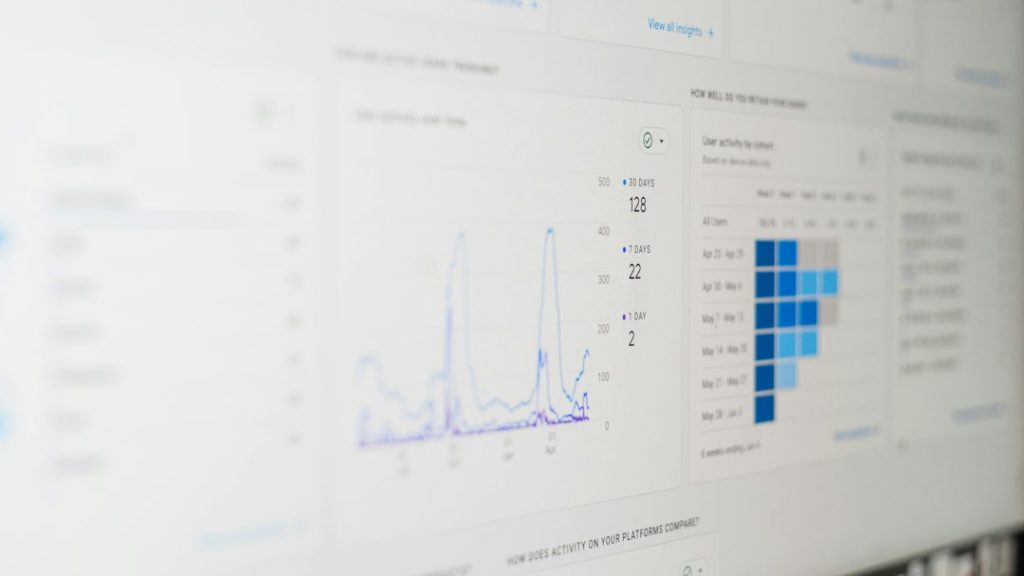
SaaS teams should choose a compliance tool when they need audit readiness fast, a GRC platform when they need enterprise risk governance, and cloud security tools when the main problem is technical exposure. The strongest setup often mixes all three, but not at the same time. A startup preparing for SOC 2 does not need the same stack as a public company managing SOX, ISO 27001, HIPAA, and vendor risk across several business units.
TLDR: SaaS compliance tools help teams collect evidence, map controls, and pass audits with less manual work. GRC platforms are broader and better for mature programs with risk owners, policy cycles, and board reporting. Cloud security alternatives focus on misconfigurations, identity risks, and workload protection rather than audit workflows. For example, a 120-person SaaS company pursuing SOC 2 may cut evidence collection time by 50% with a dedicated compliance platform, while a 2,000-person enterprise may need a GRC suite to manage hundreds of controls across regions.
The SaaS Compliance Checklist
A SaaS compliance checklist should begin with scope. Without scope, tools create noise. They scan, alert, and request documents, but nobody knows what matters most. Honestly, it feels like some platforms turn one missing screenshot into a three-day Slack argument.
- Define the framework: SOC 2, ISO 27001, HIPAA, PCI DSS, GDPR, SOX, or a mix.
- List systems in scope: Production cloud, code repositories, HR systems, laptops, identity providers, ticketing tools, and finance apps.
- Assign control owners: Each control needs a named person, not a department.
- Map policies: Security policy, access control, incident response, vendor risk, change management, data retention, and business continuity.
- Automate evidence: Pull logs, user lists, MFA status, cloud settings, and ticket history where possible.
- Review vendors: Track subprocessors, DPAs, SOC reports, data access, and renewal dates.
- Test access: Check privileged access, terminated users, dormant accounts, and service accounts.
- Track exceptions: Risks, gaps, deadlines, approvals, and remediation status.
- Prepare audit exports: Evidence should be clean, dated, and tied to the right control.
SaaS Compliance Tools: Best for Audit Readiness
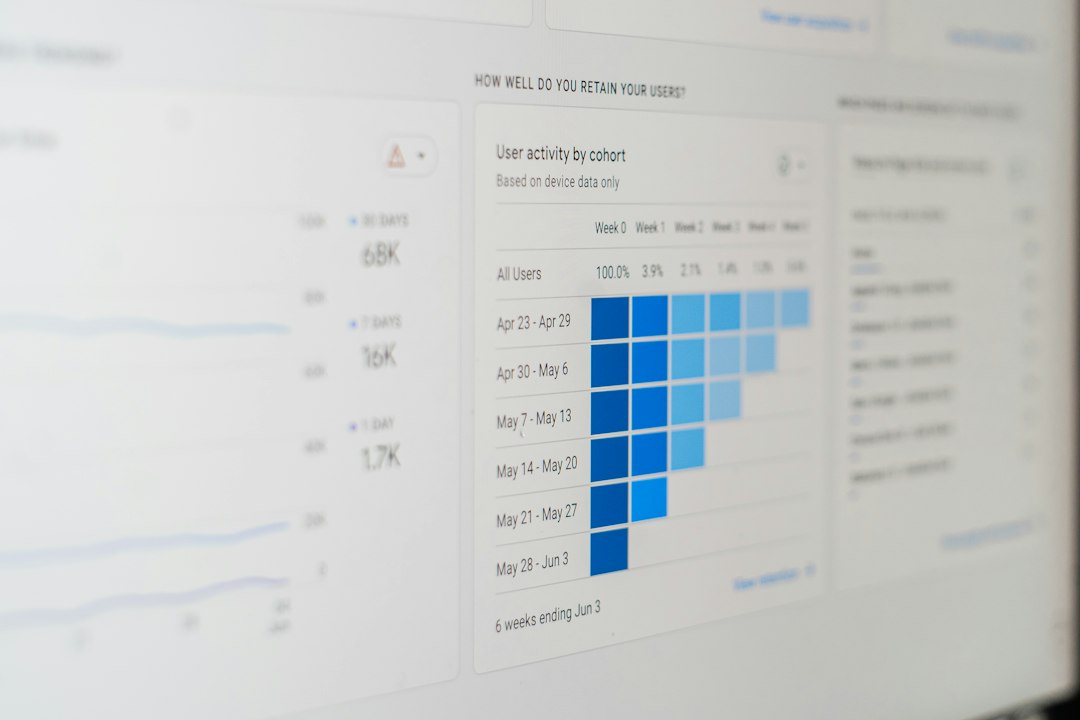
SaaS compliance tools are built for teams that need to prove controls are working. They usually support SOC 2, ISO 27001, HIPAA, GDPR, and PCI workflows. Common features include control libraries, auditor portals, evidence automation, employee training, policy templates, and vendor questionnaires.
These tools fit early and mid-stage SaaS companies well. They help security, IT, legal, and operations teams work from one shared system. A company can connect its cloud provider, identity platform, HR system, device management tool, and ticketing app. The platform then gathers proof, flags gaps, and shows audit status.
The main benefit is speed. Instead of chasing screenshots, teams get automated evidence. Instead of building a control matrix from scratch, they start with mapped controls. This can save weeks before an audit.
The weak spot is depth. Many SaaS compliance tools are not full risk engines. They may track risk, but they often lack advanced modeling, internal audit workflows, and complex hierarchy support. Expect to waste time on edge cases, such as custom control inheritance, multi-entity reporting, or region-specific policy approvals.
GRC Platforms: Best for Enterprise Risk Programs
GRC platforms handle governance, risk, and compliance at a wider scale. They are useful when a company has several frameworks, legal entities, regions, and business units. They support risk registers, policy attestation, third-party risk, internal audit, regulatory change, issue management, and board reporting.
A GRC platform suits companies with mature risk teams. It also fits firms that must show structured oversight. Banks, health tech companies, public SaaS vendors, and large B2B software providers often need this level of control.
The tradeoff is setup time. GRC systems can become heavy. Workflows need design. Control libraries need cleanup. Permissions need careful planning. A simple request, such as adding a new risk field, may take longer than expected because it affects reports, dashboards, and approvals.
GRC is not always ideal for a young SaaS company seeking its first SOC 2 report. It can be too large, too slow, and too expensive. Still, it is the better choice when compliance is no longer just an audit project. At that stage, it becomes a business process.
Cloud Security Alternatives: Best for Technical Risk
Cloud security tools solve a different problem. They check whether cloud systems are exposed, misconfigured, or poorly controlled. Categories include CSPM, CNAPP, CWPP, CIEM, vulnerability management, container security, and cloud detection tools.
These tools look for issues such as public storage buckets, weak IAM permissions, unencrypted databases, exposed secrets, risky Kubernetes settings, and missing logging. They help engineering and security teams reduce real attack paths.

Cloud security tools are not replacements for compliance platforms. They may provide evidence for controls, but they do not manage policies, audit requests, employee training, vendor reviews, or control ownership. A CSPM can prove that storage encryption is enabled. It usually cannot manage the auditor conversation around why the control exists and who approved the exception.
SaaS Compliance Tools vs GRC vs Cloud Security
| Option | Best Use | Main Strength | Main Weakness |
|---|---|---|---|
| SaaS compliance tool | SOC 2, ISO 27001, HIPAA audit prep | Fast evidence collection and audit workflows | Limited enterprise risk depth |
| GRC platform | Large risk and compliance programs | Risk governance, approvals, reporting | Longer setup and higher cost |
| Cloud security tool | Cloud posture and technical controls | Finds real misconfigurations and threats | Not built for full audit management |
How SaaS Teams Should Choose
A team should start with its main pain. If the problem is “the auditor needs proof by Friday,” a SaaS compliance tool is the right first stop. If the problem is “risk is tracked in 14 spreadsheets,” GRC is the better fit. If the problem is “engineers keep creating risky cloud resources,” cloud security tools should come first.
Budget also matters. SaaS compliance products often have clearer pricing for startups and mid-market firms. GRC platforms may require implementation support. Cloud security tools can scale by cloud accounts, assets, workloads, or data volume.
Integration quality should carry real weight. A platform that connects to the identity provider, cloud accounts, HR system, ticketing tool, endpoint manager, and code repository will reduce manual work. A tool with weak integrations will still leave teams pasting screenshots into folders at 11 p.m.
Recommended Tool Mix by Company Stage
- Seed to Series A: Start with a SaaS compliance platform for SOC 2 basics, policies, access reviews, and vendor records.
- Series B to growth stage: Add cloud security scanning and stronger vendor risk workflows.
- Enterprise SaaS: Use GRC for risk governance, SaaS compliance tools for audit workflows where useful, and cloud security tools for technical assurance.
- Regulated SaaS: Prioritize audit trails, evidence retention, encryption checks, access control, and third-party risk scoring.
Common Mistakes to Avoid
The first mistake is buying a tool before assigning owners. Software cannot fix unclear ownership. The second mistake is relying only on compliance automation while ignoring real cloud risk. Passing an audit does not mean the system is secure.
The third mistake is overbuying. A small SaaS company may not need a heavyweight GRC suite. It may need clean policies, automated evidence, and a practical access review process. The fourth mistake is underbuying. A large company with global risk obligations cannot run everything from a lightweight checklist tool forever.
FAQ
What is a SaaS compliance tool?
A SaaS compliance tool helps software companies manage audits, controls, policies, evidence, vendors, and security tasks for frameworks such as SOC 2, ISO 27001, HIPAA, GDPR, and PCI DSS.
Is a GRC platform the same as a compliance tool?
No. A compliance tool is usually audit-focused. A GRC platform covers broader governance, risk, policy, regulatory, and internal audit workflows across the business.
Can cloud security tools replace compliance software?
Usually not. Cloud security tools help prove technical controls, but they do not manage the full audit process, policy lifecycle, employee training, or vendor compliance records.
Which option is best for SOC 2?
Most first-time SOC 2 teams benefit from a SaaS compliance platform. It reduces manual evidence work and gives auditors a clear workflow.
When should a company move to GRC?
A company should consider GRC when it manages several frameworks, business units, regions, risk committees, or formal internal audit processes.
What should be checked before buying any tool?
The team should check supported frameworks, integrations, evidence automation, access review features, vendor risk support, reporting quality, pricing, and setup effort.