



The best behavioral health AI documentation platform should reduce note time, protect clinical nuance, and make compliance easier without forcing clinicians to babysit every sentence. A strong platform does more than summarize a session. It checks documentation quality, supports behavioral health workflows, and helps clinicians produce notes that are accurate, defensible, and useful for care.
TLDR: A behavioral health AI documentation quality platform should offer clinical accuracy checks, compliance support, EHR integration, privacy controls, customizable templates, outcome tracking, and human review tools. For example, a 12 clinician outpatient clinic that cuts documentation time from 18 minutes to 8 minutes per session could reclaim roughly 120 staff hours per month, assuming 80 sessions per clinician. The right system helps teams spend less time fixing awkward notes and more time serving clients. The wrong one creates extra clicks, vague summaries, and compliance risk.
Why Behavioral Health Documentation Needs a Quality Platform
Behavioral health notes carry high stakes. A progress note may include symptoms, risk factors, trauma history, medication concerns, family stressors, care plans, and payer required details. If AI misses context or invents meaning, the clinician still owns the note. That is why quality controls matter as much as speed.
Generic AI scribes can sound polished while still being clinically thin. Honestly, it feels like some tools turn a powerful therapy session into a bland paragraph that could describe almost anyone. A behavioral health AI documentation quality platform should prevent that. It should support the realities of therapy, psychiatry, substance use treatment, case management, and integrated care.

7 Features to Look for in an AI Documentation Platform
1. Behavioral Health Specific Note Generation
The platform should understand behavioral health documentation, not just medical dictation. It should support formats such as SOAP, DAP, BIRP, GIRP, intake assessments, treatment plans, discharge summaries, and psychiatric follow ups. It should also capture interventions, client response, progress toward goals, safety concerns, and next steps.
Good AI should recognize phrases tied to therapeutic modalities. For example, it should distinguish CBT reframing from general supportive counseling. It should identify motivational interviewing, DBT skills coaching, psychoeducation, relapse prevention, crisis planning, and family session content when clinically supported by the source material.
2. Built In Clinical Accuracy Checks
Speed means little if the note is wrong. The platform should flag inconsistencies, missing elements, and unsupported statements. If a clinician says the client denied suicidal ideation, the AI should not later imply active self harm risk without a clear reason.
Strong systems compare the draft note against the transcript, audio, or clinician input. They should mark low confidence sections. They should also warn when a diagnosis, risk level, medication detail, or functional impairment statement lacks support. This reduces quiet errors that can slip into records and sit there for years.
3. Compliance and Audit Readiness
Behavioral health organizations deal with payer audits, licensure rules, HIPAA, 42 CFR Part 2 in substance use settings, internal reviews, and accreditation standards. The AI platform should help teams meet those requirements without turning every note into a scavenger hunt.
Useful compliance features include:
- Required field checks for modality, duration, service location, participants, and medical necessity.
- Risk documentation prompts for suicidal ideation, homicidal ideation, abuse concerns, or crisis events.
- Medical necessity indicators tied to symptoms, impairment, interventions, and ongoing need.
- Audit trails showing who edited, approved, and signed each note.
Expect to waste time on rework if a platform only creates pretty paragraphs but fails to show whether the note meets billing and clinical standards.
4. Seamless EHR Integration
Clinicians should not have to copy, paste, reformat, and recheck every note. Those extra 30 seconds per note add up fast. In a program with 2,000 monthly encounters, that small delay becomes more than 16 hours of avoidable admin time.
The platform should connect cleanly with the organization’s EHR. It should push notes into the right fields, preserve formatting, and map session data correctly. If integration is not possible, the system should at least offer structured export options that reduce manual cleanup.
5. Strong Privacy, Security, and Consent Controls
Behavioral health data is deeply sensitive. The platform should offer encryption, access controls, role based permissions, secure storage, and clear data retention settings. Organizations should know whether audio is stored, for how long, and who can access it.
Consent workflows also matter. Some clients may not want recording or AI assisted documentation. The platform should support consent tracking and alternate workflows. It should also provide clear business associate agreement support for covered entities and vendors that handle protected health information.
6. Customizable Templates and Program Rules
No two behavioral health programs document the same way. A children’s clinic, crisis team, private therapy practice, opioid treatment program, and community mental health center all have different needs. The platform should allow custom templates, required fields, payer rules, supervisor prompts, and note language preferences.
Customization should not require a developer for every small change. Clinical leaders should be able to adjust prompts, add required sections, and set standards by program type. That flexibility helps the AI match real operations instead of forcing staff into rigid forms.
7. Quality Analytics and Supervisor Review Tools
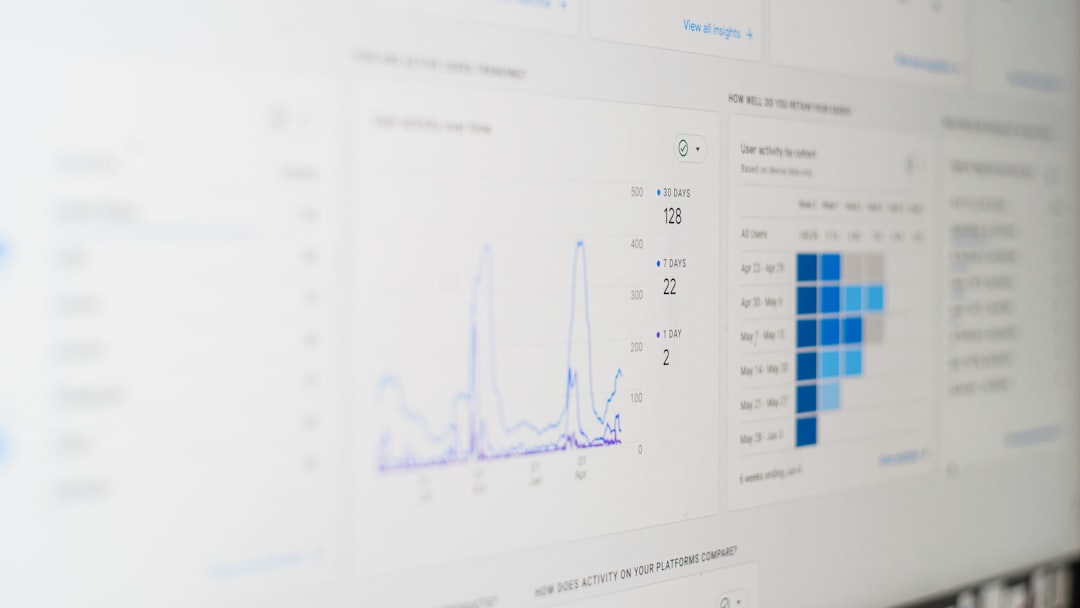
A true documentation quality platform should provide measurable insight. Leaders should see trends across teams, programs, and note types. Useful metrics include average documentation time, late note rates, missing medical necessity elements, risk assessment completion, and clinician edit frequency.
For example, if one team has a 28% missing treatment goal rate while another sits at 6%, supervisors can target training instead of guessing. The platform should also support review queues, comments, approvals, and coaching. This turns documentation quality into an ongoing process, not a once a year panic before an audit.
What Makes a Platform Different From a Basic AI Scribe?
A basic AI scribe records or summarizes. A documentation quality platform checks, structures, and improves the note. It supports the entire documentation workflow, from session capture through supervisor review and audit readiness.
The difference shows up in daily use. A basic scribe may create a nice summary but miss service duration, client response, or progress toward goals. A quality platform points out the gaps before signature. It helps clinicians fix the issue while the session is still fresh.
Buying Questions for Behavioral Health Teams
Before choosing a vendor, decision makers should ask direct questions. A polished demo is not enough.
- Does the platform support the organization’s exact note formats?
- Can it detect missing medical necessity language?
- How does it handle suicide risk, mandated reporting, and crisis content?
- Does it store audio, transcripts, or only final notes?
- Can supervisors review notes before billing?
- What percentage of notes require major clinician edits during pilots?
- How quickly can templates be changed when payer rules shift?
A pilot should measure more than satisfaction. Teams should track note completion time, edit rate, late notes, audit findings, clinician burnout feedback, and client consent acceptance. The best platform proves its value in numbers and in calmer workdays.
FAQ
What is a behavioral health AI documentation quality platform?
It is software that uses AI to help create, check, structure, and review behavioral health documentation. It focuses on note quality, compliance, clinical accuracy, and workflow support.
How is it different from an AI medical scribe?
An AI medical scribe usually drafts notes from conversations. A behavioral health quality platform also checks for missing clinical details, payer requirements, risk documentation, and program specific standards.
Can AI replace clinician judgment in documentation?
No. AI can draft and flag issues, but clinicians must review, edit, and approve the final record. The clinician remains responsible for accuracy.
Is AI documentation safe for therapy and psychiatry notes?
It can be safe when the platform has strong privacy controls, consent options, encryption, access management, and clear data handling policies. Organizations should confirm HIPAA support and any substance use treatment privacy requirements.
What is the most critical feature to look for?
Clinical accuracy checking is one of the most critical features. Fast notes are not useful if they misstate risk, diagnosis, interventions, or client response.
How should an organization measure success?
It should track documentation time, late notes, audit errors, clinician edit rates, supervisor review findings, and staff satisfaction before and after implementation.