



Targeted SEO works best when you stop chasing every keyword and focus on the searches most likely to produce revenue. That means ranking for the right people, in the right places, on the right topics, at the right buying stage. Broad traffic feels nice in reports, but qualified traffic pays the bills.
TLDR: Targeted SEO narrows your strategy around high-value audiences, locations, topics, and commercial intent instead of chasing raw visit numbers. For example, a local accounting firm might ignore “tax tips” and focus on “small business tax accountant in Austin,” which attracts fewer searches but far better leads. One B2B software company cut 40% of low-intent blog production and saw organic demo requests rise by 32% in four months. The goal is simple: fewer wasted clicks, more buyers.
Why Targeted SEO Beats Broad SEO
Traditional SEO often starts with volume. Teams open a keyword tool, sort by searches, and pick terms that look big. That can work for publishers. It is usually messy for service businesses, ecommerce stores, SaaS firms, and local brands.
High traffic can hide weak performance. A page might bring 10,000 visits and only three leads. Another page might bring 600 visits and 40 leads. The second page is the winner, even if it looks smaller in a dashboard.
Targeted SEO asks better questions:
- Who is the searcher?
- Where are they located?
- What problem are they trying to solve?
- Are they researching, comparing, or ready to buy?
- What page would make them take action?
Honestly, it feels like many SEO tools still reward the wrong behavior. They make it too easy to chase giant keywords while hiding the terms that move revenue. Expect to waste time if you treat search volume as the main score.

Start With High-Value Audiences
A high-value audience is not always the biggest audience. It is the group most likely to buy, subscribe, book, call, or request a quote.
Start by reviewing actual business data. Look at closed deals, repeat customers, account size, profit margin, and sales cycle length. SEO should reflect what your best customers already show you.
Useful audience filters include:
- Industry: healthcare, construction, legal, retail, education.
- Company size: startups, mid-market firms, enterprise teams.
- Role: founder, operations manager, CFO, homeowner, parent.
- Problem type: urgent repair, compliance risk, cost reduction, growth.
- Budget fit: bargain hunters, premium buyers, long-term clients.
Then map keywords to those segments. “CRM software” is broad. “CRM for commercial real estate brokers” is targeted. It has lower volume, but the searcher is clearer. The content can be sharper. The offer can match the need.
Use Location as a Revenue Filter
Location targeting is not just for local plumbers and restaurants. It matters for law firms, clinics, franchises, B2B service providers, recruiting agencies, and even ecommerce brands with regional demand.
Local intent changes how people search. A person searching “emergency dentist near me” is not browsing for fun. They need help now. A company searching “managed IT services Chicago” likely wants a provider within reach, not a generic article about servers.
Build location-focused SEO around:
- City service pages with unique copy and proof.
- Neighborhood pages where demand is strong.
- Google Business Profile optimization.
- Local reviews that mention services and places.
- Location-specific FAQs and case studies.
Avoid lazy city-page cloning. Changing only the city name is thin and obvious. Worse, it gives users nothing useful. Add local examples, staff details, service limits, parking notes, regional pricing factors, photos, and testimonials from nearby customers.
Choose Topics That Support Buying Decisions
Not every topic deserves a page. Some topics attract students, competitors, bargain hunters, or people who will never buy. That is fine if your goal is reach. It is not fine if your goal is revenue.
Topic targeting works best when you group content by business value. A simple three-tier model helps.
- Core money topics: service, product, pricing, comparison, demo, quote, consultation.
- Problem topics: pain points that your offer solves.
- Support topics: educational content that builds trust before the sale.
For example, a cybersecurity firm should care more about “ransomware recovery services” than “what is malware.” The second term may bring more visitors. The first term brings panic, urgency, and budget.
The catch is that content calendars often get filled with easy articles. Those posts look productive. They rarely convert. A better plan may include fewer pieces, each tied to a product, service, use case, objection, or sales conversation.

Prioritize Commercial Intent
Commercial intent tells you how close a searcher is to spending money. This is where targeted SEO gets powerful.
High commercial intent keywords often include words like:
- best
- top
- pricing
- cost
- quote
- near me
- company
- agency
- software
- service
- alternative
- comparison
Someone searching “email marketing tips” may want free advice. Someone searching “best email marketing software for ecommerce pricing” is much closer to action. The page should match that mindset.
Do not send commercial searches to vague blog posts. Create pages that help buyers decide. Include pricing context, feature comparisons, proof, common objections, strong calls to action, and clear next steps.
Match Page Type to Search Intent
Intent mismatch kills conversions. A searcher comparing vendors does not want a 2,500-word beginner guide. A searcher asking “how to fix a leaking water heater” may not be ready for a sales page yet, but they may call if the page explains the risk and offers emergency help.
Use this quick matching system:
- Informational intent: guides, tutorials, checklists, definitions.
- Commercial intent: comparisons, best lists, alternatives, buying guides.
- Transactional intent: product pages, service pages, booking pages.
- Local intent: location pages, map listings, review-rich service pages.
Search the keyword yourself before creating a page. Look at what already ranks. If the results are full of product pages, do not publish a glossary post. If the results are full of guides, a hard-sell landing page may struggle.
Build a Targeted SEO Scoring System
You do not need a huge spreadsheet. A simple scoring model can keep your team focused.
Score each keyword from 1 to 5 on:
- Audience fit: Does it attract your best customer?
- Location fit: Does it match a market you serve?
- Intent strength: Is the searcher close to buying?
- Offer match: Do you have a clear product or service for it?
- Ranking potential: Can you compete with current results?
A keyword with modest volume and a score of 22 out of 25 may be more valuable than a huge keyword scoring 11. This keeps decisions grounded. It also stops random content requests from hijacking the plan.
Measure What Matters
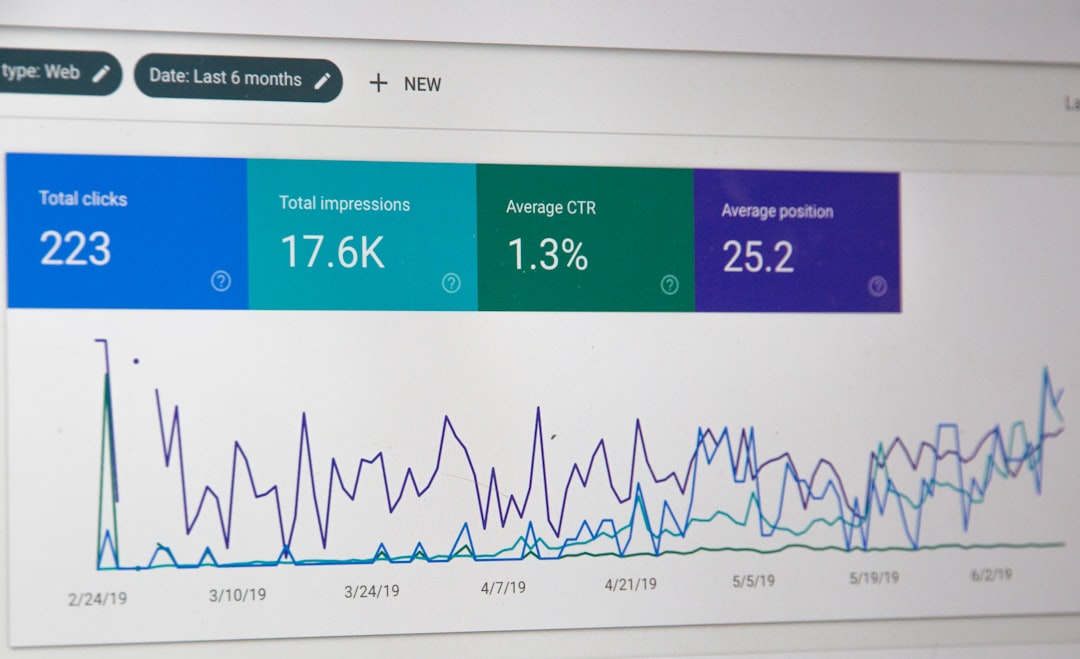
Rankings are useful, but they are not the finish line. Track the actions that point to money.
Useful metrics include:
- Organic leads by page.
- Calls from local search.
- Form submissions from service pages.
- Demo requests by keyword cluster.
- Assisted conversions from blog content.
- Revenue or pipeline influenced by organic search.
Segment reports by audience, city, topic, and intent. This shows which parts of SEO deserve more effort. You may find that three location pages produce 55% of organic leads, while 80 blog posts produce almost none. Annoying? Yes. Useful? Very.
Practical Next Steps
Start small. Pick one audience, one location, one topic cluster, and one commercial intent group. Build or improve five to ten pages around that focus.
A sharp 30-day plan could look like this:
- Identify your top three customer segments by profit.
- Find the cities, regions, or markets with the highest close rates.
- Collect keywords tied to problems, services, pricing, and comparisons.
- Score each keyword for business value.
- Update the strongest pages first.
- Add proof, FAQs, testimonials, and clearer calls to action.
- Track leads, not just traffic.
Targeted SEO is not about doing less work. It is about wasting less work. When your search strategy lines up with real buyers, every page has a clearer job. Traffic becomes more qualified. Pages become easier to write. Sales teams get better leads. And SEO stops feeling like a guessing game.