



In construction, small uncertainties can become expensive delays when they are not documented and resolved quickly. A Request for Information (RFI) is one of the most important communication tools used among contractors, architects, engineers, owners, and subcontractors to clarify drawings, specifications, site conditions, or contract requirements before work proceeds.
TLDR: An RFI in construction is a formal question used to resolve unclear or missing project information. For example, if a subcontractor finds that structural drawings show a beam size that conflicts with architectural ceiling plans, an RFI is submitted before installation begins. On a mid-size commercial project with 250 RFIs, even a 10% slower response rate can add weeks of coordination time and increase the risk of rework. A clear RFI process helps teams reduce delays, protect budgets, and maintain accountability.
What Is an RFI in Construction?
An RFI for construction is a formal document used to request clarification, additional details, or decisions related to a construction project. It is usually submitted by a contractor, subcontractor, or construction manager to the design team, consultant, or owner.
RFIs are not intended to replace proper planning or design review. Instead, they provide a controlled method for resolving issues that arise during bidding, preconstruction, or active construction. Common questions involve drawing conflicts, missing specifications, material substitutions, installation methods, site conditions, or code-related concerns.
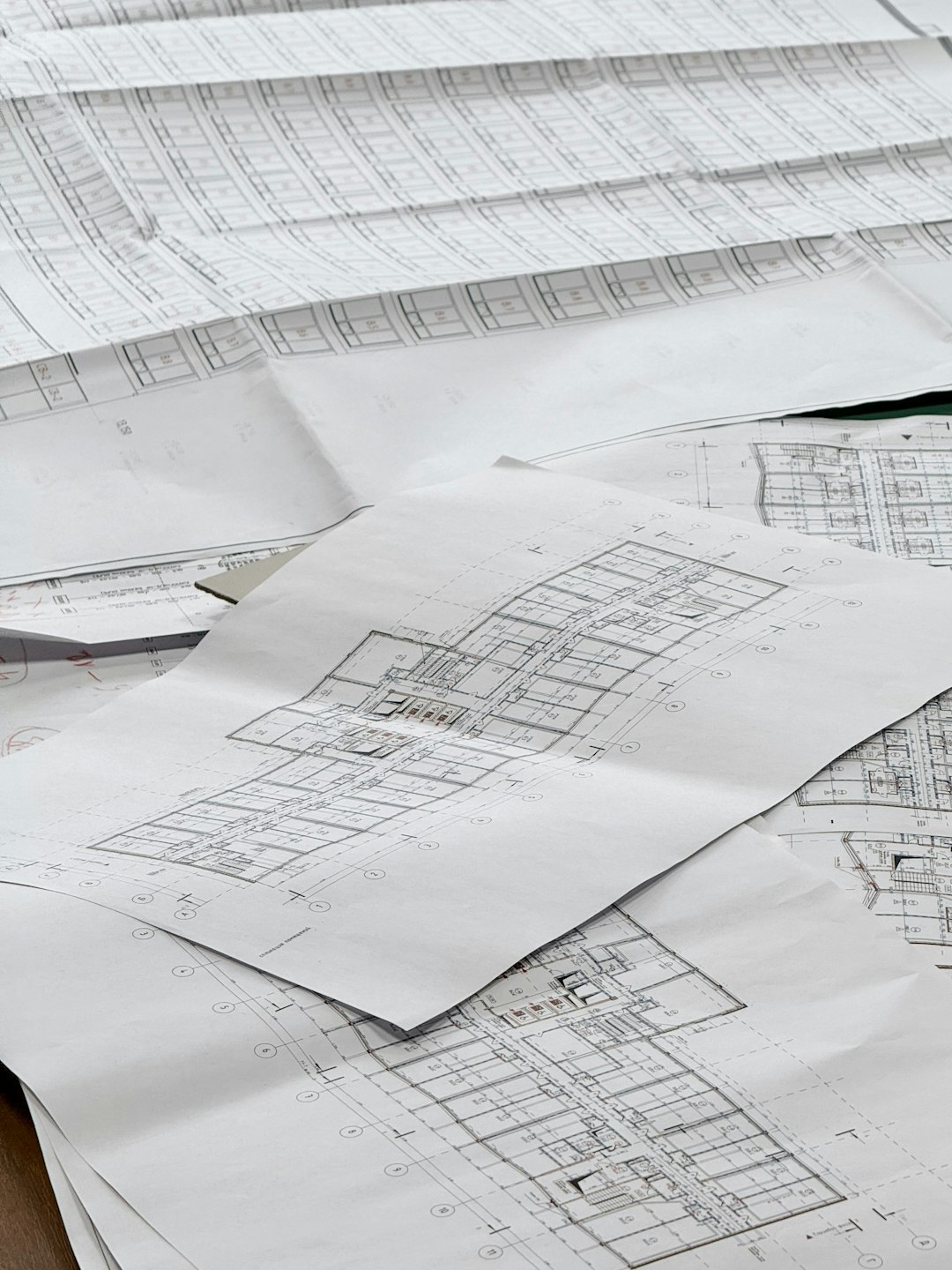
For instance, if plumbing drawings show piping through an area where structural plans indicate a concrete beam, the contractor may issue an RFI asking which design requirement takes priority. The response then becomes part of the project record and may affect scheduling, pricing, or field execution.
Why RFIs Matter
RFIs help construction teams avoid assumptions. In a complex project, assumptions often create disputes, rework, change orders, or safety risks. A well-written RFI ensures that decisions are documented, traceable, and approved by the proper party.
The main benefits include:
- Clear communication: Project participants receive the same question and official response.
- Reduced rework: Teams can resolve conflicts before materials are ordered or installed.
- Better accountability: Each RFI shows who asked, who answered, and when decisions were made.
- Schedule protection: Timely responses help avoid work stoppages and sequencing problems.
- Stronger documentation: RFIs provide evidence during claims, audits, or closeout reviews.
The RFI Process in Construction
The RFI process may vary by company or contract, but most projects follow a similar workflow. The goal is to make each question specific, actionable, and easy to track.
- Issue identification: A team member discovers missing, conflicting, or unclear information in the drawings, specifications, or field conditions.
- Internal review: The contractor or construction manager checks whether the answer already exists in the contract documents. This step prevents unnecessary RFIs.
- RFI preparation: The question is written clearly, with references to drawing numbers, specification sections, photos, sketches, or proposed solutions.
- Submission: The RFI is sent through the approved project management system or communication channel.
- Review and response: The architect, engineer, consultant, or owner reviews the request and provides an answer, direction, or request for more information.
- Distribution: The response is shared with affected parties, such as subcontractors, field supervisors, schedulers, or procurement teams.
- Implementation and tracking: The answer is incorporated into the work, schedule, drawings, or change management process if required.
A strong RFI process also defines expected response times. Many contracts set a standard review period, such as 7 to 10 business days. Urgent RFIs may require faster review when they affect critical path activities.
What Makes a Good Construction RFI?
A good RFI is concise, specific, and supported by evidence. Vague questions often lead to vague answers, which can extend the review cycle. Instead of asking, “Please clarify wall detail,” an effective RFI identifies the exact drawing, location, conflict, and requested decision.
Effective RFIs generally include:
- RFI number and date
- Project name and location
- Submitted by and assigned to
- Relevant drawing, detail, or specification references
- Clear description of the issue
- Photos, markups, or sketches when helpful
- Suggested solution, if appropriate
- Potential cost or schedule impact
- Required response date
RFIs should not be used to shift design responsibility unfairly, request unrelated scope changes, or ask questions already answered in the documents. Excessive or poorly prepared RFIs can slow down the entire project team.
Construction RFI Template
The following simple template can be adapted for most construction projects:
- RFI Number: RFI-___
- Project Name: ___
- Project Location: ___
- Date Submitted: ___
- Submitted By: ___
- Submitted To: ___
- Response Required By: ___
- Drawing/Specification Reference: ___
- Subject: ___
- Question/Issue: Describe the conflict, missing information, or required clarification.
- Proposed Solution: Provide a recommended approach, if available.
- Potential Impact: Note possible cost, schedule, procurement, or coordination effects.
- Attachments: Photos, sketches, marked drawings, submittals, or site reports.
- Official Response: To be completed by the responding party.
- Response Date: ___
- Answered By: ___
Examples of RFIs in Construction
Example 1: Drawing Conflict
Subject: Conflict between ceiling height and ductwork layout
Question: Mechanical drawing M-204 shows supply ductwork running through Corridor 2B at elevation 9 feet 6 inches. Architectural drawing A-301 shows a finished ceiling height of 9 feet 4 inches in the same corridor. Please confirm whether the ceiling height should be revised or the ductwork rerouted.
Why it matters: Without clarification, the field team may install ductwork that does not fit above the finished ceiling, causing rework and schedule delays.
Example 2: Missing Specification
Subject: Missing finish specification for lobby wall panels
Question: Interior elevation A-512 identifies decorative wall panels in the main lobby, but the finish schedule does not list the panel material, thickness, or color. Please provide the required product specification and finish selection.
Why it matters: Procurement cannot proceed until the correct material is confirmed, especially if the item has a long lead time.
Example 3: Unforeseen Site Condition
Subject: Existing utility discovered in excavation area
Question: During excavation near Gridline C, an unmarked utility line was discovered at the proposed footing location. Please advise whether the footing should be relocated, redesigned, or held until the utility is investigated further.
Why it matters: The response may affect structural design, safety planning, inspections, and the project schedule.

Common RFI Mistakes to Avoid
Construction teams can improve RFI management by avoiding frequent mistakes. These include submitting questions without checking the drawings first, combining multiple unrelated issues into one RFI, failing to attach supporting documents, or omitting schedule impact information.
Another common mistake is waiting too long to submit an RFI. If a question affects procurement, fabrication, inspections, or critical path work, early submission is essential. A late RFI may technically receive a timely response but still delay the project because the issue was identified too close to installation.
FAQ
What does RFI stand for in construction?
RFI stands for Request for Information. It is a formal document used to ask for clarification about project drawings, specifications, site conditions, or contract requirements.
Who submits an RFI?
RFIs are commonly submitted by general contractors, subcontractors, construction managers, or suppliers. They are usually answered by architects, engineers, consultants, owners, or other responsible parties.
Is an RFI the same as a change order?
No. An RFI asks for clarification or direction. A change order modifies the contract price, schedule, or scope. However, an RFI response may lead to a change order if it changes the original contract requirements.
How long should an RFI response take?
The response time depends on the contract and project urgency. Many projects use a standard period of 7 to 10 business days, though critical issues may require faster turnaround.
What should be included in an RFI?
An RFI should include the project name, RFI number, date, subject, drawing or specification references, detailed question, proposed solution, attachments, potential impact, and required response date.
How can RFIs be reduced?
RFIs can be reduced through better design coordination, thorough document review, early subcontractor involvement, clash detection, detailed specifications, and clear communication during preconstruction.