



Customer reviews are like little postcards from the front line of your dealership. Some say, “Great coffee.” Some say, “I waited forever.” Some say, “Alex in service is a legend.” Hidden inside those comments is a map to better sales, happier customers, and fewer surprise headaches.
TLDR: A smart customer review analysis framework helps automotive dealerships turn messy feedback into clear action. For example, if 38% of negative reviews mention wait time, service managers know exactly where to focus. AI can group comments, spot trends, and alert teams before small issues become big problems. Good reporting then shows what changed, who helped, and where profit may grow.
Why Reviews Matter More Than Ever
People do not just buy cars anymore. They buy trust. Before someone walks into your showroom, they have likely read Google reviews, checked Facebook comments, and scanned rating sites. They may know your star rating before they know your address.
That is why reviews are not just “nice to have.” They are a business signal. They tell you what customers feel after a test drive, a finance conversation, a repair visit, or a simple phone call.
A review can reveal:
- Where customers feel happy
- Where they feel stuck
- Which team members shine
- Which processes feel slow or confusing
- What may hurt future sales
Think of reviews as your dealership’s dashboard. But instead of showing fuel, speed, and tire pressure, they show trust, frustration, and loyalty.

The Simple Review Analysis Framework
A strong framework does not need to feel scary. No giant spreadsheets with mystery tabs. No secret language. Just four simple steps:
- Collect the reviews.
- Classify what people are talking about.
- Measure the key performance indicators.
- Act on the insights and report results.
That is it. Collect, classify, measure, act. Like washing a car, but with more data and fewer wet shoes.
Step 1: Collect Reviews From Every Important Place
Your customers leave feedback in many places. Google is usually the big one. But do not stop there. Reviews may appear on social media, dealer rating platforms, manufacturer surveys, service follow-up forms, live chat transcripts, emails, and even text replies.
The goal is to bring all of this feedback into one view. If reviews live in ten places, your team sees ten different stories. If they live in one dashboard, your team sees the truth faster.
Useful review sources include:
- Google Business Profile
- Facebook reviews and comments
- Dealer review websites
- OEM customer satisfaction surveys
- Service department surveys
- Sales follow-up forms
- Call center notes
Step 2: Sort Reviews Into Easy Categories
Once reviews are collected, they need labels. Labels make the noise easier to understand. Without labels, you have a giant soup of opinions. With labels, you have a menu.
Common dealership review categories include:
- Sales experience: test drives, greetings, product knowledge, pressure level
- Finance experience: paperwork, warranty talk, payment clarity
- Service experience: repair quality, wait time, updates, pricing
- Staff behavior: friendliness, honesty, follow-up, professionalism
- Facility: cleanliness, comfort, parking, coffee, waiting area
- Digital experience: website, online booking, chat, email replies
- Delivery experience: vehicle pickup, feature explanation, final checks
This is where AI becomes very useful. AI can read thousands of reviews and tag them by topic. It can also detect emotion. Is the customer happy, annoyed, confused, or ready to send a carrier pigeon to complain? AI can tell.
Step 3: Track the Right KPIs
KPIs are the scoreboard. They show whether the dealership is winning, slipping, or just making a lot of noise near the goalpost.
Here are the most important customer review KPIs for automotive dealerships:
- Average star rating: Your overall score across review platforms.
- Review volume: How many new reviews you receive each week or month.
- Sentiment score: The percentage of positive, neutral, and negative comments.
- Response rate: How many reviews your dealership replies to.
- Response time: How fast your team responds.
- Issue frequency: How often topics like price, wait time, or communication appear.
- Recovery rate: How many unhappy customers are contacted and resolved.
- Employee mentions: Which staff members are praised or criticized.
- Department score: Ratings by sales, service, parts, and finance.
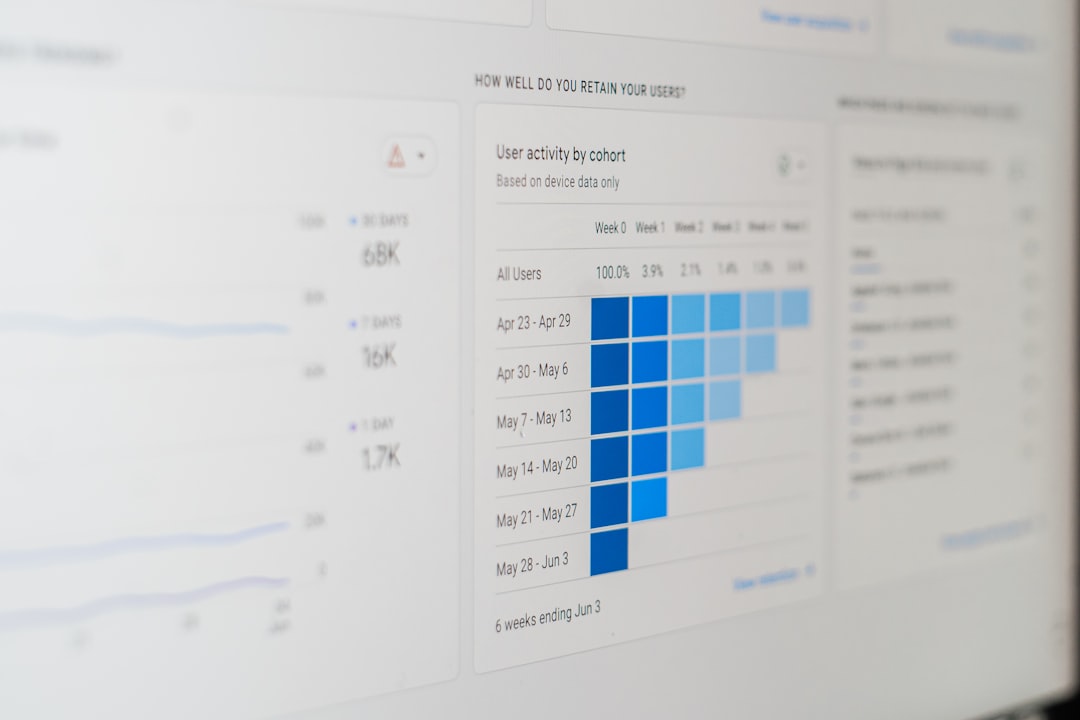
Numbers make the story sharper. “Customers are upset” is vague. “Negative service reviews rose from 12% to 21% in March, and 46% mentioned poor communication” is useful. Now the service manager has a target.
Step 4: Use AI to Find Insights Humans Miss
Humans are great at reading reviews. But humans get tired. Humans also get distracted by the one very loud review that says the vending machine stole their chips.
AI helps by reading everything calmly. It can spot patterns across months of data. It can compare departments. It can flag urgent complaints. It can even find early warning signs.
AI insights may include:
- Topic clustering: Grouping reviews by themes, such as “long wait” or “easy buying process.”
- Sentiment detection: Finding emotional tone in words and phrases.
- Trend discovery: Showing if complaints are rising or falling over time.
- Root cause hints: Connecting complaints to specific processes or locations.
- Staff recognition: Finding employees who are often praised by name.
- Urgency alerts: Flagging reviews that mention safety, legal issues, or angry churn risk.
For example, AI may find that customers who mention “no updates” in service reviews are twice as likely to leave a one-star rating. That is a golden nugget. The fix may be simple. Send repair status texts every two hours. Boom. Less anxiety. Better reviews.
A Fun User Case: Sunny Lane Motors
Let’s pretend we run a dealership called Sunny Lane Motors. The team has a 4.2-star average rating. Not bad. But not victory-lap good either.
They collect 1,200 reviews from the last 12 months. AI sorts them and finds this:
- 62% are positive.
- 18% are neutral.
- 20% are negative.
- 41% of negative reviews mention service wait time.
- 29% mention poor communication.
- 17% praise one salesperson named Mia.
Now the team has clear moves. They add text updates in service. They create a “Mia method” sales training session. They set a goal to reply to 95% of reviews within 24 hours.
After three months, their average rating rises from 4.2 to 4.5. Negative service comments drop by 28%. Mia gets snacks, applause, and possibly a cape.
Reporting That People Actually Read
A report should not feel like homework. It should feel like a simple weather report for customer experience. Sunny in sales. Cloudy in service. Thunderstorm in finance paperwork. Bring an umbrella.
A good dealership review report should include:
- Executive summary: The top wins and top risks.
- KPI snapshot: Rating, volume, sentiment, response rate, response time.
- Trend chart: What changed over weeks or months.
- Department breakdown: Sales, service, finance, parts, and online experience.
- Top praise themes: What customers love most.
- Top complaint themes: What needs fixing fast.
- Employee highlights: Who deserves recognition or coaching.
- Action plan: Owners, deadlines, and next steps.

How Often Should You Review the Data?
Keep the rhythm simple. Review urgent alerts daily. Check KPI movement weekly. Run a deeper report monthly. Discuss big themes every quarter with leadership.
Daily action prevents fires. Weekly tracking keeps managers focused. Monthly reporting shows progress. Quarterly reviews help the dealership make smarter strategic changes.
Best Practices for Better Review Management
- Respond to every review. Yes, even the weird ones.
- Thank happy customers. They gave you free marketing.
- Move angry customers offline fast. Ask for a call or email.
- Do not copy and paste every reply. People can smell robot soup.
- Share praise with staff. Recognition boosts morale.
- Fix repeat problems. A review trend is a process problem waving at you.
- Measure after changes. If you do not track it, you cannot prove it worked.
The Big Takeaway
Automotive review analysis is not about chasing stars. It is about listening at scale. It helps dealerships understand what customers really feel after every sale, service visit, and phone call.
With the right framework, KPIs, AI insights, and simple reports, reviews become more than comments. They become a growth engine. They show where to improve. They show who to celebrate. They show what customers need next.
And best of all, they help your dealership become the place people trust, recommend, and return to. That is worth more than a shiny showroom balloon. Though, to be fair, balloons are still fun.