



Marketing can feel like a circus. One person is juggling emails. Another is taming social media. Someone else is riding a tiny bike while shouting, “Did we update the website?” An integrated marketing system helps everyone stop spinning and start working together.
TLDR: An integrated marketing system connects your marketing tools, messages, data, and teams. It helps your email, ads, website, social posts, and sales process work like one machine. For example, a coffee shop could send a birthday coupon by email, show matching Instagram ads, and track that 18% of coupon users bought a larger drink. The result is less guesswork and more smart action.
What Is an Integrated Marketing System?
An integrated marketing system is a setup where all your marketing parts work together.
Think of it like a band. Your website is the guitar. Email is the drums. Social media is the singer. Paid ads are the keyboard. Data is the person keeping the beat. If everyone plays a different song, it sounds terrible. If everyone follows the same rhythm, you get music.
In simple terms, it means:
- Your brand message is the same everywhere.
- Your tools share useful data.
- Your team knows what is happening.
- Your customers get a smooth experience.
- Your reports show the full picture.
It is not just “using many tools.” Most businesses already do that. It is about making those tools talk to each other.
Why Does It Matter?
Customers do not think in channels. They do not say, “I am now entering the email funnel.” They just interact with your brand.
They may see your ad on Monday. Read your blog on Tuesday. Click an email on Wednesday. Buy on Friday. If your marketing is not connected, you may miss the story.
Without integration, you may ask silly questions:
- Did the ad work?
- Did the email help?
- Why did sales go up?
- Why did people leave the cart?
With an integrated system, you can see the path. You can spot what worked. You can fix what did not.
Common Parts of an Integrated Marketing System
Every business is different. But most systems include a few core pieces.
1. A Clear Brand Message
Your message should sound the same on all channels. Not copied word for word. Just consistent.
If your website says you are simple and friendly, your emails should not sound like a tax form. If your ads are fun, your checkout page should not feel cold.
2. Customer Data
Data is the brain of the system. It helps you understand who your customers are and what they do.
Useful data can include:
- Email opens and clicks.
- Website visits.
- Ad clicks.
- Purchase history.
- Support questions.
- Cart abandonment.
This data helps you send better messages. Not louder ones. Better ones.
3. Connected Tools
Your tools should not live on tiny lonely islands.
Your email platform should know when someone buys. Your CRM should know when someone fills out a form. Your analytics tool should know where leads came from.
When tools connect, your team saves time. Your customers also avoid weird experiences, like getting “Buy now!” emails after they already bought.
4. A Shared Content Plan
Content is the fuel. It includes blog posts, videos, ads, emails, landing pages, and social posts.
A shared plan keeps everything aligned. For example, if your campaign is about summer fitness, your blog, emails, ads, and social posts should all support that theme.
5. Reporting and Analytics
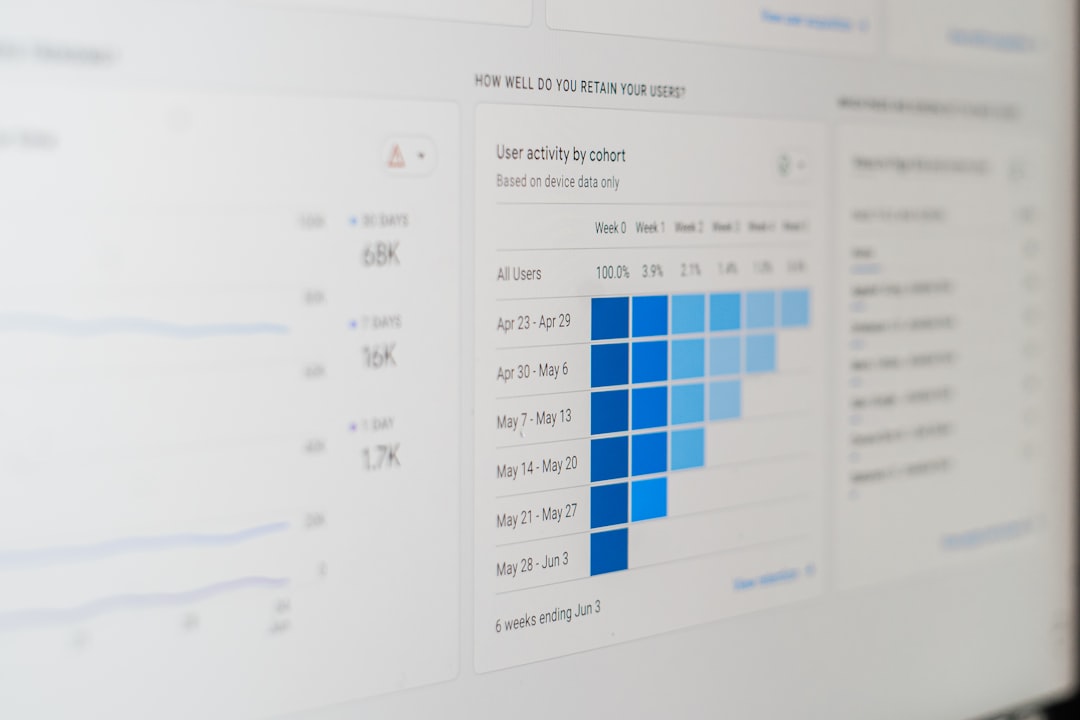
Reports tell you what happened. Good reports tell you what to do next.
Instead of only tracking likes, look at numbers that matter:
- Leads generated.
- Conversion rate.
- Cost per lead.
- Customer lifetime value.
- Repeat purchase rate.
- Revenue by campaign.
Simple Example: The Online Pet Store
Let’s say you run an online pet store called Happy Paws. You sell dog food, toys, and tiny sweaters. Very serious business.
A visitor reads your blog post called “Best Food for Senior Dogs.” They click a link to view senior dog food. They do not buy.
In a disconnected system, that visit may vanish into the fog.
In an integrated system, magic happens:
- The website tracks the visit.
- The email tool adds the visitor to a senior dog interest segment.
- The visitor sees a social ad for senior dog food.
- They receive an email with a 10% discount.
- They buy a bag of food.
- The system sends a reorder reminder 25 days later.
That is not creepy if done with care. It is useful. The customer gets help. The business gets sales.
Another Example: A Local Fitness Studio
A fitness studio wants more trial members.
They create one campaign called “Start Strong in 30 Days.” The message is simple. Come in. Try classes. Feel better.
Here is how the integrated system works:
- Instagram ads promote a free trial class.
- The landing page uses the same campaign message.
- New leads go into the CRM.
- An email sequence shares class tips and success stories.
- Front desk staff get alerts when someone books.
- After class, members receive a follow-up offer.
After one month, analytics show 600 landing page visits. The studio gets 90 trial signups. That is a 15% conversion rate. Of those, 27 people become paid members. Now the studio knows the campaign worked.
Benefits of Integrated Marketing Systems
The biggest benefit is clarity. You stop guessing so much.
Other benefits include:
- Better customer experience: People see helpful, consistent messages.
- Less wasted time: Teams do not repeat the same tasks.
- Smarter spending: You see which channels earn money.
- Stronger brand: Your voice feels clear across every touchpoint.
- Faster decisions: Reports show what needs attention.
It also helps teams stop arguing with feelings. Instead of “I think this worked,” you can say, “This campaign brought 312 leads at $8.40 each.” Much better. Less drama. Fewer mysterious spreadsheets.
Implementation Tips That Actually Help
You do not need to build a giant system on day one. Start small. Stay sane.
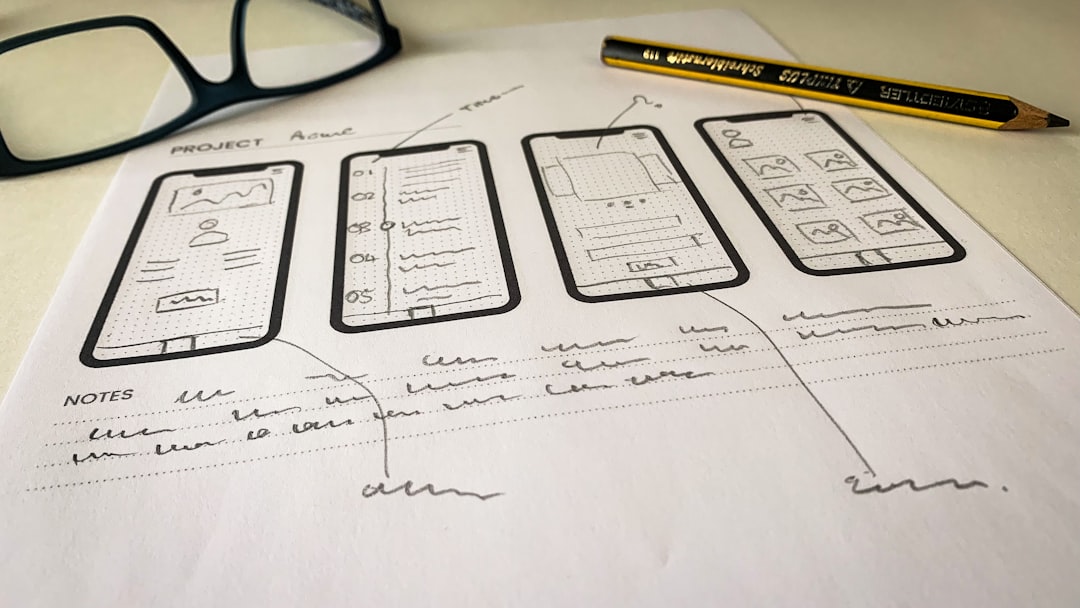
1. Map the Customer Journey
Write down the steps people take before they buy. Keep it simple.
- How do they first find you?
- What questions do they ask?
- What makes them trust you?
- What stops them from buying?
- What happens after they buy?
This map shows where your marketing needs to connect.
2. Pick One Main Goal
Do not try to fix everything at once. Choose one clear goal.
Examples:
- Get more demo bookings.
- Increase repeat purchases.
- Reduce abandoned carts.
- Improve lead quality.
One goal makes the system easier to build.
3. Connect Your Most Important Tools First
Start with the tools that affect revenue. Usually this means your website, CRM, email platform, ad accounts, and analytics tool.
If those are connected, you already have a powerful base.
4. Use Segments
Do not send the same message to everyone. That is like giving every party guest the same sandwich, even the gluten-free vegan uncle.
Segment by behavior or interest. For example:
- New leads.
- Past buyers.
- High-value customers.
- People who clicked pricing.
- People who abandoned carts.
Segments make marketing feel personal.

5. Create Simple Automation
Automation is not about replacing humans. It is about handling repeat tasks.
Try these first:
- Welcome email for new subscribers.
- Cart reminder after 24 hours.
- Follow-up after a demo.
- Thank-you email after purchase.
- Reactivation email after 60 days.
Keep the tone human. No one wants to feel like they are being hugged by a robot.
6. Review Results Every Week
Set a short weekly review. Look at what changed. Look at what failed. Celebrate tiny wins.
Ask:
- Which channel brought the best leads?
- Which message got the most clicks?
- Where did people drop off?
- What should we test next?
Final Thoughts
An integrated marketing system is not a fancy monster. It is a connected way to market better. Your tools share data. Your team shares goals. Your customers get a smoother ride.
Start with one goal. Connect the basics. Track the numbers. Then improve one step at a time. Marketing may still feel like a circus sometimes, but at least now the clowns have a schedule.