


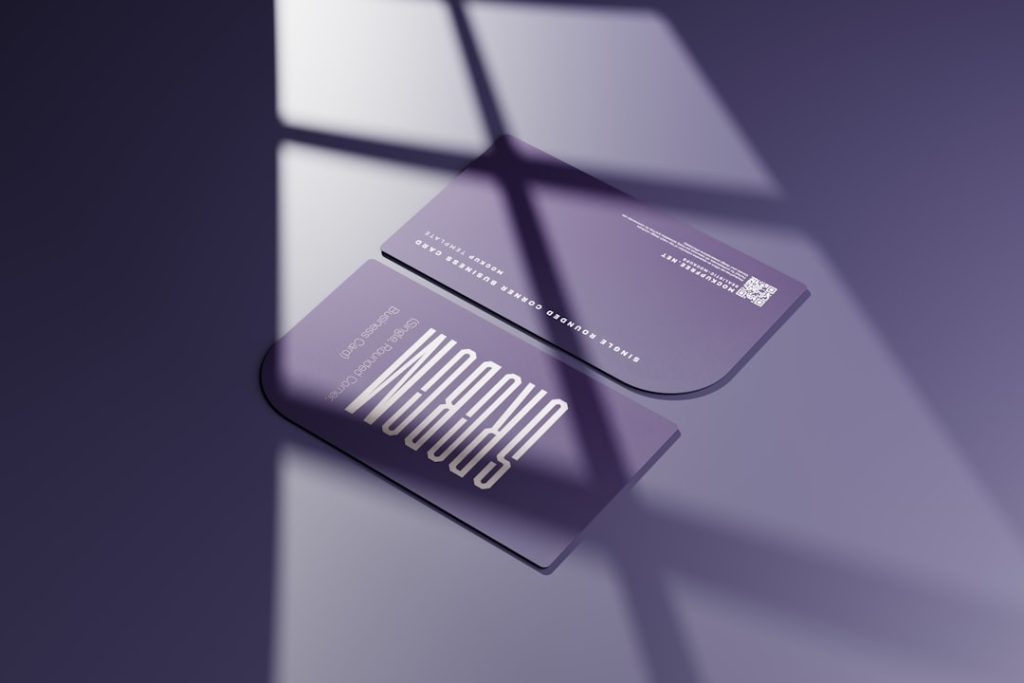
In a business environment shaped by fast introductions, hybrid networking, and crowded markets, a well-designed business card still carries weight. It gives a brand a physical presence, reinforces credibility, and helps a professional remain memorable after a meeting ends.
TLDR: Business card makers help professionals create polished, memorable cards without needing advanced design skills. The strongest options offer editable templates, brand customization, quality printing choices, and digital sharing features. A standout card should be clear, consistent with the brand, and visually distinctive without becoming cluttered.
Why Business Cards Still Matter
Although digital profiles and online portfolios are essential, business cards continue to serve a practical purpose. They are quick to exchange, easy to keep, and useful in situations where typing contact details into a phone would feel awkward or slow. For consultants, founders, real estate agents, designers, freelancers, and sales professionals, a card can act as a compact brand statement.
A strong business card does more than list a name and phone number. It communicates professionalism through layout, typography, color, spacing, and material choice. When designed well, it suggests that the person behind the card pays attention to detail.
What Business Card Makers Offer
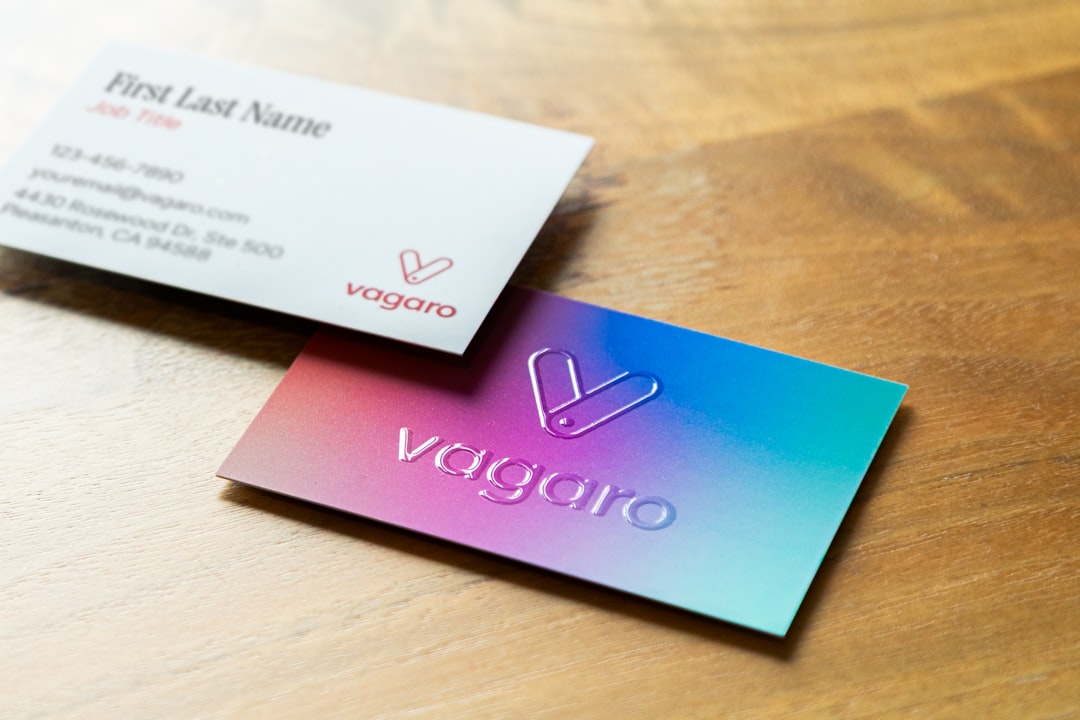
Modern business card makers combine design tools, templates, and printing services into one streamlined experience. Instead of hiring a designer for every variation, a professional can choose a template, adjust the details, upload a logo, and order printed cards within minutes.
Most platforms include useful features such as:
- Pre made templates for industries such as finance, beauty, technology, real estate, and consulting.
- Drag and drop editing for moving text, logos, shapes, and icons.
- Brand color controls to keep the design consistent with other marketing materials.
- Font libraries that support formal, creative, minimalist, or luxury styles.
- Print options including matte, gloss, soft touch, textured paper, and premium thickness.
- Digital downloads for sharing cards online or sending them to a local printer.
These features are especially valuable for small businesses and independent professionals that need quality design without a large marketing budget.
Key Qualities of a Standout Business Card Maker
The best business card makers are not simply collections of templates. They help professionals make smarter design decisions. A good platform should guide the user toward readable layouts, balanced spacing, and print safe margins.
Ease of use is one of the most important qualities. A professional should be able to create a card without struggling through complicated software. Clear menus, editable sample text, and instant previews make the process faster and more reliable.
Customization is equally important. Templates are helpful, but a card should not look identical to hundreds of others. Better makers allow changes to colors, fonts, icons, backgrounds, borders, and card orientation. This flexibility helps a brand feel more personal.
Print quality also matters. A beautiful design can lose impact if printed on thin paper with dull colors. Reliable card makers provide accurate previews, high resolution exports, and multiple paper finishes. Some also offer rounded corners, foil accents, raised print, spot gloss, or unique sizes for a more premium result.
Popular Types of Business Card Makers
Different professionals need different tools. A graphic designer may want creative control, while a lawyer may prefer a conservative template with minimal decoration. Business card makers usually fall into several categories.
- Template based design platforms: These are ideal for quick, polished results. They usually include hundreds or thousands of layouts and are suitable for most industries.
- Print focused services: These platforms emphasize paper quality, finishes, and delivery. They are useful when the physical feel of the card is a major priority.
- Branding platforms: These help create matching logos, color palettes, stationery, and business cards for a consistent identity.
- Digital business card tools: These focus on shareable contact profiles, QR codes, and mobile friendly networking.
Design Elements That Make a Card Memorable
A professional business card should be distinctive, but not confusing. The strongest designs usually rely on a few intentional choices rather than excessive decoration.
Readable typography is essential. Names and contact details should be easy to read at a glance. Decorative fonts can work for names or headings, but small contact information should remain clean and simple.
White space gives the design room to breathe. A crowded card can appear cheap or rushed. Leaving empty space around the logo, name, and contact details creates a more elegant appearance.
Color consistency supports brand recognition. A business card should use the same or similar colors found on a website, logo, brochure, or social media profile. This makes the brand easier to remember.
High quality logos and images prevent blurry printing. A business card maker should allow high resolution uploads and warn the user if an image is too small for print.
Finishing touches can create a premium impression. Thick paper, embossed lettering, foil details, or a textured finish can help a card feel more valuable. However, these features should support the brand rather than distract from it.
How Professionals Can Choose the Right Maker
Before choosing a business card maker, a professional should consider the purpose of the card. A startup founder attending investor events may need a sleek, modern design with a QR code. A wedding photographer may prefer a soft, artistic card with a portfolio link. A corporate consultant may need a restrained layout that communicates trust and authority.
Important questions include:
- Does the maker offer templates that match the industry?
- Can the design be customized enough to feel unique?
- Are print finishes and paper quality clearly explained?
- Does the platform provide print ready files?
- Can QR codes, social handles, or website links be added easily?
- Are pricing, shipping, and revisions transparent?
A strong choice balances simplicity with control. The platform should make the process easier while still allowing the card to reflect a specific professional identity.
The Role of Digital Business Cards
Digital business cards have become more common, especially at conferences, remote meetings, and networking events. They can include clickable links, videos, booking pages, social profiles, and downloadable contact details. Many printed business cards now include a QR code that connects the physical card to a digital profile.
This combination is powerful. The printed card creates a memorable first impression, while the digital version gives the recipient a direct path to learn more. For many professionals, the best approach is not choosing between print and digital, but using both together.
Common Mistakes to Avoid
Even with a good business card maker, poor design choices can weaken the final result. Professionals should avoid placing too much information on one card. A name, title, company, phone number, email, website, and one or two social links are usually enough.
Another mistake is using low contrast colors. Light gray text on a white background may look sophisticated on a screen, but it can be difficult to read when printed. Similarly, very small fonts can make contact details frustrating to use.
Inconsistent branding is another issue. A card that uses different colors, fonts, or logo styles from the rest of the brand can create confusion. The card should feel like part of a complete identity, not a separate design experiment.
Final Thoughts
Business card makers give professionals an accessible way to create cards that look polished, credible, and memorable. The best tools combine attractive templates with meaningful customization, high quality printing, and digital sharing options. When chosen carefully, a business card maker can help transform a small piece of paper into a serious branding asset.
A standout card does not need to be loud. It needs to be clear, intentional, well made, and aligned with the professional image it represents.
FAQ
What makes a business card look professional?
A professional business card uses clear typography, balanced spacing, consistent branding, high quality printing, and only the most important contact details.
Are business card makers suitable for small businesses?
Yes. Business card makers are especially useful for small businesses because they provide affordable templates, simple editing tools, and convenient printing options.
Should a business card include a QR code?
A QR code is useful when it links to a website, portfolio, booking page, or digital contact profile. It should be placed neatly and tested before printing.
Is a digital business card better than a printed one?
Neither is always better. Printed cards create a tangible impression, while digital cards make sharing links and contact details easier. Many professionals benefit from using both.
How often should business cards be updated?
Business cards should be updated whenever contact details, branding, job titles, services, or website links change. They should also be refreshed when the design no longer matches the brand image.