



Setting SEO targets can feel like trying to train a cat. You know what you want. The cat has other plans. But with the right goals and KPIs, SEO becomes much less mysterious. It becomes a game with a scoreboard.
TLDR: Good SEO goals are clear, measurable, and tied to business results. Do not just say, “We want more traffic.” Say how much, by when, and why it matters. Track KPIs like organic traffic, keyword rankings, conversions, click-through rate, and revenue. Review them often, then adjust your plan like a smart little SEO scientist.
What Are SEO Targets?
SEO targets are the specific results you want from search engine optimization. They are not wishes. They are not vibes. They are real goals you can measure.
For example, this is not a strong SEO target:
- “Get better at SEO.”
This is much better:
- “Increase organic traffic by 30% in six months.”
- “Rank in the top 10 for 20 target keywords by the end of Q3.”
- “Generate 50 monthly leads from organic search within four months.”
See the difference? One is fog. The other is a map.

Why SEO Goals Matter
SEO takes time. It is not a microwave. It is more like a garden. You plant. You water. You wait. Then one day, boom. Tomatoes everywhere.
Without goals, you will not know if your garden is working. You may celebrate traffic that brings no sales. Or you may ignore a small page that quietly makes money every week.
Good SEO goals help you:
- Focus your work on what matters.
- Measure progress without guessing.
- Show value to your team or clients.
- Spot problems before they get scary.
- Make better decisions about content, links, and technical fixes.
Start With Business Goals
Before choosing SEO KPIs, ask one simple question:
“What does the business need?”
Different businesses need different SEO targets. A local dentist may want appointment bookings. An online store may want product sales. A blog may want email subscribers. A software company may want demo requests.
SEO should support the real business goal. Otherwise, you may win the wrong race.
Here are a few examples:
- Business goal: Sell more products.
SEO goal: Increase organic revenue by 20%. - Business goal: Get more leads.
SEO goal: Generate 100 organic form submissions per month. - Business goal: Build brand awareness.
SEO goal: Increase non branded organic traffic by 40%. - Business goal: Improve local visibility.
SEO goal: Rank in the local pack for 10 service keywords.
Use SMART SEO Goals
The easiest way to set strong SEO goals is to use the SMART framework. Yes, it sounds like business homework. But it works.
- Specific: Say exactly what you want.
- Measurable: Use numbers.
- Achievable: Be ambitious, not ridiculous.
- Relevant: Tie it to business value.
- Time bound: Set a deadline.
Weak goal:
- “Get more blog traffic.”
SMART goal:
- “Increase organic blog traffic from 10,000 to 15,000 monthly visits in six months by publishing 12 optimized articles.”
That goal has muscles. It knows where it is going.
Important SEO KPIs to Track
KPIs are key performance indicators. Think of them as SEO health stats. Like steps on a fitness watch. But for your website.
1. Organic Traffic
This shows how many people visit your website from unpaid search results. It is one of the most common SEO KPIs.
But do not look at traffic alone. More visitors are nice. More of the right visitors are better.
2. Keyword Rankings
Keyword rankings show where your pages appear in search results for target terms.
Rankings matter. But they are not the whole story. A keyword in position 1 is great. Unless nobody searches for it. Or unless it brings people who never buy.
3. Organic Conversions
This is where SEO gets exciting. A conversion can be a sale, lead form, phone call, signup, download, or booking.
Organic conversions show whether search traffic is doing something useful. This KPI is often more important than traffic.
4. Click Through Rate
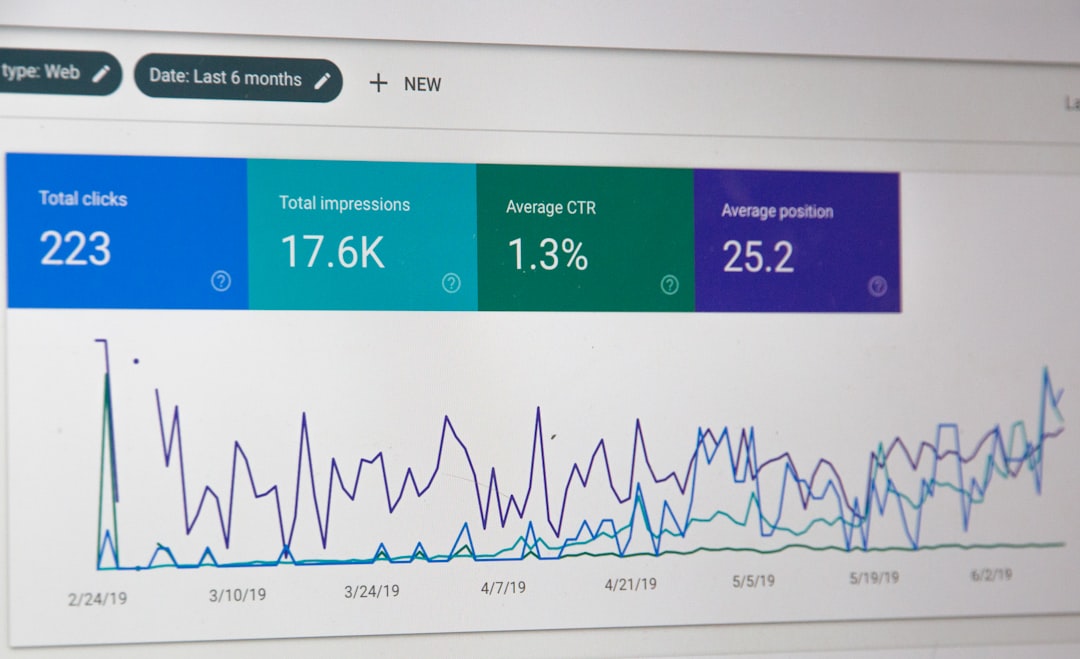
Click through rate, or CTR, shows how often people click your page after seeing it in search results.
If your page shows up often but gets few clicks, your title or meta description may need sparkle. Not glitter. Just clarity.
5. Impressions
Impressions show how many times your pages appear in search results. This can help you see if visibility is growing.
A rise in impressions can be an early sign that your SEO work is starting to wake up.
6. Backlinks
Backlinks are links from other websites to yours. They can help search engines see your site as more trustworthy.
Track both the number and quality of backlinks. One strong link from a trusted site can beat 100 weird links from spammy corners of the internet.
7. Core Web Vitals and Page Speed
Fast websites make users happy. Slow websites make users leave and sigh dramatically.
Track page speed, loading performance, and user experience signals. Technical SEO is not glamorous. But it is powerful.
Match KPIs to the Funnel
Not every visitor is ready to buy. Some are just looking. Some are comparing. Some are ready to click the big shiny button.
Your SEO KPIs should match the customer journey.
- Awareness stage: impressions, organic traffic, keyword visibility.
- Consideration stage: time on page, return visits, content engagement.
- Decision stage: leads, sales, calls, demo requests, revenue.
This helps you understand what SEO is really doing. It may be filling the top of the funnel. Or it may be driving direct sales. Both can matter.
Set Baselines First
Before setting targets, find your current numbers. This is your baseline. It tells you where you are starting.
Check tools like analytics platforms, search performance reports, rank trackers, and sales data. Look at the last 3 to 12 months if you can.
Ask questions like:
- How much organic traffic do we get now?
- Which pages bring the most visits?
- Which pages bring leads or sales?
- Which keywords are close to page one?
- What technical issues are holding us back?
Once you know your baseline, you can set targets that make sense. No crystal ball needed.
Choose Realistic Time Frames
SEO is not instant. Some changes can show results in weeks. Others take months.
A simple timeline might look like this:
- 30 days: Fix tracking, audit the site, choose target keywords.
- 60 days: Improve key pages, publish new content, fix technical issues.
- 90 days: Review early movement in rankings, impressions, and traffic.
- 6 months: Measure growth in traffic, leads, and conversions.
- 12 months: Review revenue impact and expand what works.
Short term KPIs help you see progress. Long term KPIs show business impact.
A Simple SEO Goal Example
Let’s say you run an online shop that sells eco friendly kitchen products. Your current organic traffic is 20,000 visits per month. Organic search brings 200 sales per month.
Your SEO target could be:
“Increase organic sales from 200 to 300 per month within six months by improving category pages, publishing buying guides, and targeting high intent keywords.”
Your KPIs might be:
- Organic revenue
- Organic conversion rate
- Rankings for product keywords
- Traffic to category pages
- Click through rate from search results
Now you are not just “doing SEO.” You are building a sales machine. A polite one. With nice headings.

Review and Adjust Often
SEO goals are not stone tablets. They are living targets. Search results change. Competitors move. Customers behave in surprising ways.
Review your KPIs every month. Look for patterns. Celebrate wins. Fix weak spots.
If a page gets traffic but no conversions, improve the offer or call to action. If a page ranks on page two, add better content and internal links. If technical errors appear, squash them like tiny digital bugs.
Final Thoughts
Measurable SEO goals make your strategy clearer, smarter, and easier to defend. They turn confusion into action.
Start with business needs. Set SMART targets. Pick KPIs that show real progress. Then review the data and keep improving.
SEO is a long game. But with the right targets, it becomes a game you can actually win.