



Imagine walking into a busy airport, a popular bakery, or a hospital reception area. Some people know exactly where to go, others are uncertain, and everyone expects to be served quickly and fairly. Customer flow management is the discipline of guiding people through a service environment in a way that reduces friction, improves efficiency, and creates a better experience for both customers and staff.
TLDR: Customer flow management is the process of organizing how customers move through a physical or digital service journey. It combines queue systems, signage, staff planning, appointment scheduling, data, and communication to reduce waiting times and confusion. Done well, it improves customer satisfaction, increases operational efficiency, and helps businesses make smarter decisions based on real behavior.
What Is Customer Flow Management?
Customer flow management refers to the planning, monitoring, and optimization of each step a customer takes from arrival to completion of service. It is not just about managing queues. It includes everything from how customers enter a location, check in, wait, receive service, make payments, ask questions, and leave.
In a retail store, customer flow might involve directing shoppers from product discovery to checkout. In a bank, it could mean helping visitors choose the right service category and routing them to the correct advisor. In healthcare, it may include appointment check-in, patient triage, waiting room updates, and follow-up scheduling.
The goal is simple: make the journey smoother, faster, and more predictable.
Why Customer Flow Matters
Waiting is not always the main problem. The bigger issue is often uncertainty. Customers become frustrated when they do not know where to go, how long they will wait, or whether they have been forgotten. Good flow management solves this by creating clarity.
For organizations, unmanaged customer flow can cause serious problems:
- Longer waiting times due to poor routing or uneven staff workloads
- Lower customer satisfaction because people feel ignored or confused
- Staff stress when employees are overwhelmed by unpredictable demand
- Missed revenue when customers abandon queues or leave before being served
- Inaccurate planning because managers lack data about peak times and service duration
By contrast, well-managed customer flow helps businesses serve more people with fewer bottlenecks. It creates a sense of order, even during busy periods, and allows employees to focus on quality service instead of crowd control.
The Main Components of Customer Flow Management
Customer flow management usually combines several tools and processes. The right mix depends on the type of business, customer volume, and service model.
1. Entry and Check-In
The first interaction shapes the customer’s expectations. Entry management may include reception desks, self-service kiosks, mobile check-in, QR codes, or staff greeters. The objective is to identify what the customer needs and place them on the right path as quickly as possible.
For example, a government office might ask visitors to select a service type on a touchscreen. A clinic might allow patients to check in from their phones before entering the building. These small changes can significantly reduce congestion at the front desk.
2. Queue Management
Queues can be physical, virtual, or a combination of both. Traditional lines are easy to understand but can feel uncomfortable and inefficient. Virtual queues allow customers to join a line digitally and wait elsewhere until they are called.
Queue management systems often display ticket numbers, estimated wait times, or service counters on screens. This gives customers reassurance that progress is happening and that the process is fair.
3. Routing and Service Allocation
Not every customer needs the same type of help. Some requests are simple, while others require a specialist. Effective routing ensures that customers are matched with the right person, department, or service channel.
This is especially important in places like hospitals, banks, universities, and telecom stores, where different staff members have different skills. Smart routing prevents expert staff from being occupied with basic tasks and helps customers get the right answer sooner.

4. Communication During the Wait
A silent waiting room can make five minutes feel like fifteen. Communication is one of the most powerful ways to improve perceived wait time. Screens, mobile notifications, voice announcements, and staff updates can all help customers understand what is happening.
Useful communication might include:
- Estimated waiting time
- Current queue position
- Instructions for preparing documents or information
- Service delays or changes
- Promotional or educational content
When customers feel informed, they are more patient and more confident in the service process.
5. Data and Analytics
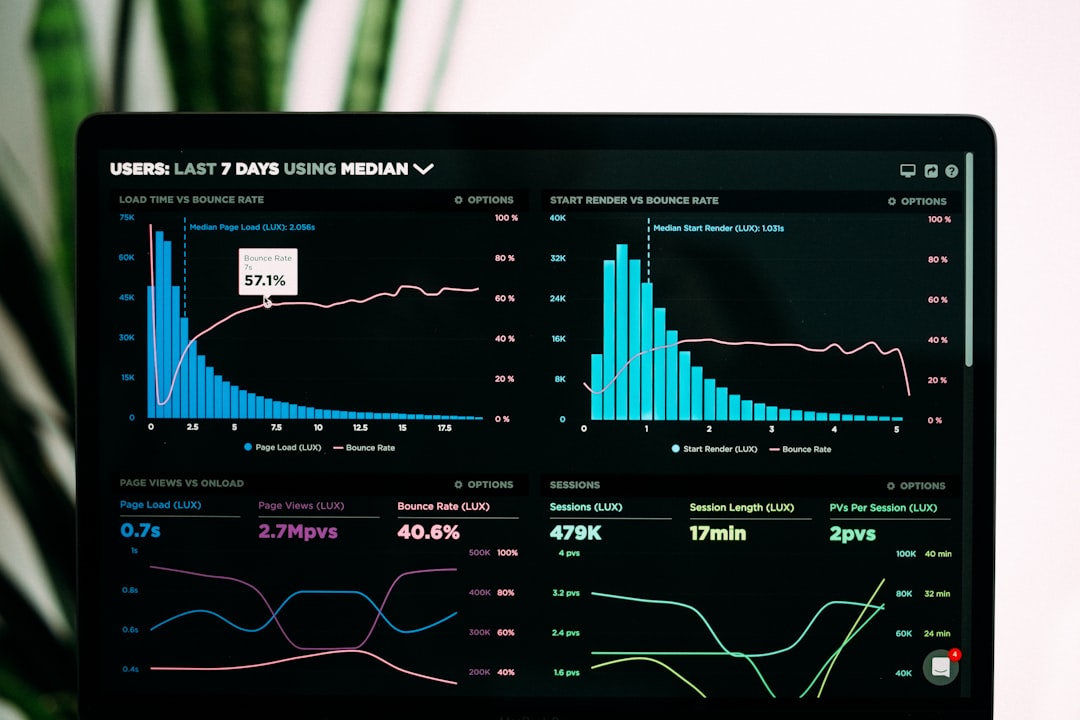
Modern customer flow management relies heavily on data. Systems can track arrival rates, service times, no-show rates, peak hours, staff performance, and abandonment patterns. This information helps managers make decisions based on evidence rather than guesswork.
For instance, if data shows that Monday mornings are consistently overloaded, a manager can schedule more staff, encourage appointment booking, or direct simple requests to self-service options. Over time, these adjustments can transform both efficiency and customer experience.
Customer Flow in Physical and Digital Spaces
Customer flow is often associated with physical locations, but the same principles apply online. A website visitor also follows a journey: landing on a page, searching for information, comparing options, asking for support, and completing an action.
In digital environments, poor flow might appear as confusing navigation, repeated forms, slow support responses, or unclear checkout steps. In physical spaces, it may appear as crowded entrances, unclear signage, or long lines. In both cases, the solution is to remove unnecessary friction and guide the customer toward a successful outcome.
Many businesses now blend physical and digital flow. Customers may book appointments online, receive SMS reminders, check in with a QR code, wait virtually, and then complete service in person. This hybrid model is often more convenient and gives organizations better control over demand.
Benefits for Customers and Staff
Customer flow management benefits everyone involved. For customers, it creates a more comfortable and transparent experience. They know where to go, what to expect, and when they are likely to be served.
For employees, it reduces chaos. Staff can see who is waiting, what each person needs, and which requests should be prioritized. This leads to better workload distribution and fewer repetitive questions from frustrated customers.
Key benefits include:
- Shorter actual and perceived wait times
- Improved service fairness through organized queue handling
- Higher staff productivity due to better task allocation
- Better accessibility for customers who need special assistance
- More accurate forecasting using real-time and historical data
How to Improve Customer Flow
Improving customer flow begins with observation. Businesses should examine how customers currently move through the environment and identify where confusion, waiting, or repetition occurs.
A practical improvement process might look like this:
- Map the customer journey from arrival to exit.
- Identify bottlenecks, such as crowded entrances or slow check-in points.
- Segment customer needs so simple and complex requests are handled differently.
- Introduce clear signage and communication to reduce uncertainty.
- Use technology where it adds value, such as virtual queues or appointment reminders.
- Measure results and adjust staffing, routing, or processes over time.
The best systems are not always the most complicated. Sometimes, a clearer sign, a better greeting process, or a simple appointment schedule can make a dramatic difference.
The Future of Customer Flow Management
Customer expectations are rising. People are used to real-time updates from delivery apps, instant booking confirmations, and personalized digital experiences. They increasingly expect the same level of convenience in stores, clinics, banks, and public offices.
The future of customer flow management will likely involve more automation, predictive analytics, and personalization. Systems may forecast demand before crowds form, recommend staffing levels automatically, or guide individual customers through personalized service paths. However, the human element will remain essential. Technology can organize the journey, but empathy and good service still define how customers remember it.
Customer flow management is ultimately about respect: respect for customers’ time, staff capacity, and the purpose of the service itself. When people move smoothly through a process, they notice. They feel less stressed, more valued, and more likely to return.