



Ready Player One stands as one of the most recognizable pop culture spectacles of the modern blockbuster era, blending virtual reality, gaming culture, 1980s nostalgia, and a traditional hero’s journey into a bright, fast-moving adventure. Based on Ernest Cline’s novel and directed by Steven Spielberg, the film explores a future where people escape a bleak world by entering the OASIS, a massive digital universe filled with games, avatars, references, and hidden challenges.
TLDR: Ready Player One is an energetic and visually dazzling adventure that celebrates gaming, nostalgia, and digital identity. Its strengths lie in its world-building, action sequences, and playful pop culture references, though its story can feel familiar and emotionally light at times. The film works best as a fun, fast-paced tribute to fandom, while also raising questions about escapism, technology, and the value of real-world connection.
A World Built on Escapism
The story is set in 2045, a time when the real world has become overcrowded, economically strained, and emotionally disconnected. Many people live in stacks of trailers and spend most of their time inside the OASIS, a virtual reality platform created by the brilliant and socially awkward James Halliday. After Halliday’s death, players learn that he has hidden an Easter egg inside the OASIS. Whoever finds it will inherit his fortune and gain control of the entire digital universe.
This premise immediately gives the film a strong narrative engine. The treasure hunt structure allows the story to move from one challenge to another, while the OASIS provides endless possibilities for visual imagination. It is a world where players can become anything, travel anywhere, and interact with characters and objects pulled from decades of movies, games, comics, and television.

The contrast between the grim physical world and the colorful digital world is one of the film’s most important ideas. Reality is gray, cramped, and full of hardship, while the OASIS is bright, limitless, and exciting. This contrast helps explain why so many characters choose digital escape over real-life engagement. However, the story also suggests that escape alone is not enough. The film repeatedly returns to the idea that the real world, despite its flaws, still matters.
Nostalgia as Entertainment and Theme
Ready Player One is often discussed as a nostalgia machine, and that description is accurate. The film is filled with references to classic arcade games, famous movies, beloved characters, and iconic music. For viewers familiar with the media being referenced, many scenes become a rapid-fire game of recognition. The appearance of the DeLorean from Back to the Future, the Iron Giant, and countless background characters turns the OASIS into a museum of pop culture memory.
Yet the nostalgia is not only decoration. It is tied directly to Halliday’s personality and the central mystery of the story. Halliday was obsessed with the media of his youth, especially games and films from the late twentieth century. To solve his challenges, Wade Watts and the other players must study Halliday’s past, his favorite obsessions, and his regrets. In that sense, nostalgia becomes a map to understanding a person.
Still, the film’s use of nostalgia can feel uneven. At its best, it creates joy, humor, and emotional recognition. At its weakest, it risks feeling like a parade of references without deeper meaning. Some moments invite genuine affection for gaming history and cinematic culture, while others seem designed mainly to trigger applause. The balance between tribute and overload depends largely on the viewer’s relationship with the referenced material.
Gaming Culture at the Center
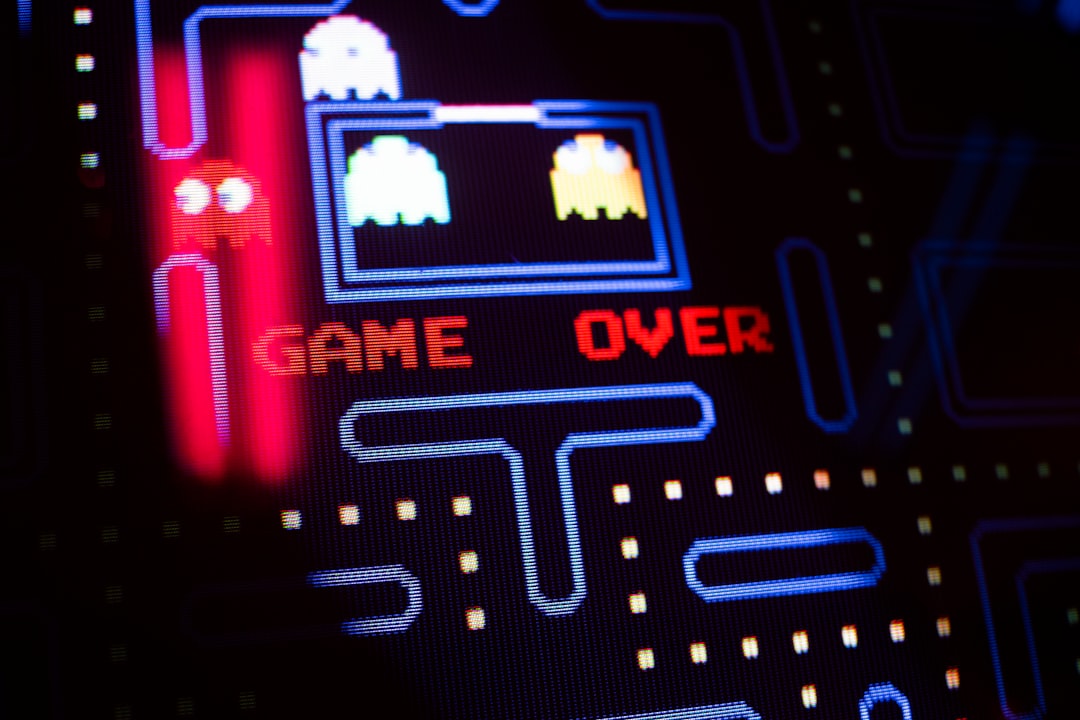
One of the most interesting aspects of Ready Player One is how seriously it treats gaming as a cultural language. The characters understand levels, clues, boss battles, leaderboards, avatars, and Easter eggs. The film does not present gaming as a side hobby; it presents gaming as the structure through which society communicates, competes, works, and dreams.
Wade Watts, known in the OASIS as Parzival, is not powerful because of wealth or physical strength. His advantage comes from knowledge, persistence, and his ability to interpret clues. In traditional adventure stories, the hero often needs a sword, a map, or a noble bloodline. In this story, the hero needs gaming literacy, pop culture memory, and emotional insight into Halliday’s life.
- Avatars allow characters to build idealized versions of themselves.
- Leaderboards turn social status into visible competition.
- Easter eggs reward curiosity, patience, and deep knowledge.
- Quests give the plot a video game rhythm and sense of progress.
The film also captures the social side of gaming. Wade’s friendships with Aech, Art3mis, Sho, and Daito develop first through shared goals and digital interaction. Their bond begins in the OASIS, but the story eventually pushes them toward real-life trust. This movement from virtual teamwork to physical-world commitment is one of the film’s clearest emotional arcs.
Storytelling and Structure
At its core, Ready Player One follows a familiar young-adult adventure structure. A humble protagonist enters a dangerous competition, discovers allies, faces a powerful corporation, and learns that the prize means more than personal gain. The villain, Nolan Sorrento, leads Innovative Online Industries, a company that wants to control and commercialize the OASIS. His motivation is straightforward: profit, power, and ownership.
This simplicity makes the story easy to follow, but it also limits some of the film’s emotional complexity. Sorrento is effective as a corporate antagonist, but he rarely becomes more than a symbol of greed. Wade, meanwhile, is likable and determined, though his character arc is not especially surprising. He begins as an isolated dreamer and grows into a leader who understands responsibility.
The strongest storytelling element is Halliday’s posthumous presence. Although he is dead before the main action begins, his memories shape the entire plot. Through archival recordings, recreated environments, and personal clues, Halliday becomes the emotional center of the story. His regrets give the film a melancholy layer beneath the spectacle. The challenges are not merely tests of skill; they are reflections of choices Halliday failed to make in life.
Steven Spielberg’s Direction
Steven Spielberg brings clarity and momentum to material that could easily have become chaotic. The OASIS contains an overwhelming number of visual elements, but the action is usually easy to understand. Spielberg’s experience with adventure storytelling helps the film maintain a sense of wonder, even when the screen is crowded with references and digital effects.
The racing sequence near the beginning is a standout example. It combines speed, danger, humor, and visual invention while establishing the rules of the hunt. Later, the extended sequence inspired by The Shining demonstrates the film’s ability to turn nostalgia into active storytelling rather than mere background decoration. In that scene, the reference becomes a setting, a puzzle, and a joke all at once.
Visually, the film is polished and fluid. The OASIS scenes are glossy and intentionally artificial, while the real world is rougher and more grounded. This difference supports the film’s themes, even if the real world sometimes feels less developed than the digital one. The result is a movie that often feels more alive inside its virtual universe than outside it, which may be intentional but still creates some imbalance.
Characters and Performances
Tye Sheridan plays Wade with earnest sincerity, giving the character a believable mix of awkwardness, intelligence, and determination. Olivia Cooke’s Art3mis is more compelling in many scenes, partly because her distrust of the OASIS fantasy gives her a sharper perspective. She recognizes the political and social stakes of IOI’s control more clearly than Wade does at first.
Ben Mendelsohn brings cold comic menace to Sorrento, making him entertaining even when the character is broadly written. Mark Rylance’s performance as Halliday is one of the film’s emotional highlights. He portrays Halliday as brilliant, lonely, uncomfortable, and quietly tragic. His performance gives the film a sense of sadness that contrasts with its fast-paced digital spectacle.
The supporting characters are enjoyable, though some receive limited development. Aech, Sho, and Daito add personality and energy to the group, but the film does not explore them as deeply as it could. Still, their presence reinforces one of the story’s central ideas: online identities can hide truth, but they can also create meaningful connections.
The Film’s Strengths
- Visual imagination: The OASIS is packed with color, movement, and inventive design.
- Energetic pacing: The treasure hunt structure keeps the story moving quickly.
- Pop culture fun: The references create a playful experience for fans of games and movies.
- Accessible themes: The film explores technology, escapism, friendship, and corporate control in a clear way.
- Memorable set pieces: Several action sequences stand out as creative and highly rewatchable.
The Film’s Weaknesses
Despite its entertainment value, Ready Player One is not without flaws. The emotional stakes sometimes feel secondary to the spectacle. The romance between Wade and Art3mis develops quickly, and some of the dialogue leans heavily on exposition. The film also simplifies many of the novel’s more detailed elements, which makes the adaptation faster but less textured.
Another issue is that the film criticizes escapism while being deeply invested in the pleasures of escape. This contradiction is not necessarily fatal, but it creates tension. The movie warns that people should not abandon reality, yet its most exciting scenes take place in the digital world. For some viewers, that makes the message feel slightly undercut by the experience itself.
Final Verdict
Ready Player One succeeds as a lively, nostalgic, and visually ambitious adventure. It may not offer the deepest character study or the most original plot, but it delivers a memorable ride through a world shaped by games, fandom, and digital dreams. Its best moments combine spectacle with emotional insight, especially when the story connects Halliday’s regrets to the larger question of how people spend their lives.
As a review, the film earns praise for its imagination, pacing, and affection for gaming culture. It is less successful when it relies too heavily on reference recognition or rushes through character development. Even so, it remains an engaging blockbuster with enough thematic substance to invite discussion after the credits roll.
Overall, Ready Player One is a fun, imperfect, and culturally fascinating film that understands the thrill of virtual worlds while reminding its audience that reality still deserves attention.
FAQ
Is Ready Player One based on a book?
Yes. The film is based on Ernest Cline’s 2011 novel of the same name. The adaptation changes several challenges, scenes, and plot details while keeping the main premise and characters.
Is Ready Player One more about gaming or nostalgia?
It is about both. Gaming provides the structure of the story, while nostalgia provides many of the clues, references, and emotional connections to Halliday’s past.
Does the film require knowledge of 1980s pop culture?
No. Viewers can follow the plot without recognizing every reference. However, familiarity with classic games, movies, and music can make the experience more rewarding.
What is the main message of Ready Player One?
The main message is that virtual worlds can be exciting and meaningful, but they should not replace real human connection. The film emphasizes balance between digital escape and real-life responsibility.
Is Ready Player One suitable for gamers?
Yes. Gamers are likely to appreciate its use of quests, avatars, Easter eggs, leaderboards, and virtual competition. The film treats gaming culture as a central part of its world rather than a minor detail.