


So, you found a 3D printer for about $100. Nice. Your brain is already printing tiny dragons, phone stands, toy swords, and maybe a small army of frogs. A cheap 3D printer can be a lot of fun. But it can also be a tiny box of chaos if you do not know what you are buying.
TLDR: A $100 3D printer can be great for learning, tinkering, and making small plastic objects. But it will not be fast, silent, perfect, or effortless. Expect setup, fixing, testing, and some failed prints. Buy it if you enjoy learning as much as printing.
1. A $100 3D Printer Is Usually a Starter Machine
A $100 3D printer is not a magic factory. It is more like a hobby kit with motors. It can print cool things. It can also make spaghetti out of plastic.
Most printers in this price range are simple. They often have fewer comfort features. You may not get auto bed leveling. You may not get a touchscreen. You may not get a quiet mainboard. You may not even get clear instructions.
That does not mean the printer is bad. It just means you are buying the basic experience. Think of it like buying a cheap bike. It moves. It works. But you may need to tighten bolts and adjust the brakes.
If you want to learn how 3D printing works, this is a good thing. If you want perfect prints with zero effort, maybe not.
2. Assembly May Be Part of the Adventure
Some cheap 3D printers come mostly built. Others arrive as a box of parts. This can be fun. It can also be confusing.
You may need to attach the frame. You may need to plug in cables. You may need to tighten belts. You may need to check that everything is square.
Do not rush this step. A printer that is built crooked will print crooked things. It is like making toast in a sideways toaster. Possible? Maybe. Good? No.
Before you buy, check:
- Is the printer fully assembled?
- Is it partly assembled?
- Are tools included?
- Are instructions clear?
- Are there setup videos online?
If you are new, look for a printer with good video guides. A calm YouTube tutorial can save your weekend.
3. Print Quality Can Be Good, But Not Always
Yes, a $100 3D printer can make good prints. Really. You can print toys, brackets, boxes, mini figures, plant labels, and silly desk decorations.
But print quality depends on many things. The printer is only one part of the story.
You also need:
- A level print bed
- Good filament
- Correct temperature
- Good slicer settings
- A clean nozzle
- Patience
Cheap printers may need more tuning. You may see lines. You may see blobs. You may see corners lifting. You may see prints that look like they were attacked by a warm noodle monster.
That is normal. Do not panic. Most problems have simple fixes. Level the bed. Clean the surface. Slow the print down. Change the temperature. Try again.
4. The Bed Leveling Process Matters a Lot
Bed leveling sounds boring. It is not. It is the secret handshake of 3D printing.
The print bed is the surface where your object is made. The nozzle must be the right distance from the bed. Not too high. Not too low.
If the nozzle is too high, the plastic will not stick. Your print may slide around like a noodle on ice.
If the nozzle is too low, the plastic cannot flow well. The nozzle may scrape the bed. Your first layer may look sad and crushed.
Many $100 printers use manual bed leveling. That means you turn small knobs under the bed. You check the distance with paper. You do this at each corner.
It sounds old school because it is. But it works.
If you hate adjusting things, look for a printer with auto leveling. But at $100, that may be rare. Or it may be basic. Read reviews carefully.
5. Cheap Printers Are Not Always Quiet
A 3D printer moves a lot. Motors buzz. Fans spin. Belts move. Plastic melts. The printer makes little robot noises.
Some people find the sounds relaxing. Others feel like a tiny robot is chewing gravel in the corner.
Cheap machines may have louder fans and stepper motors. This is not a big deal in a garage or workshop. It may be a big deal in a bedroom.
Before you buy, think about where the printer will live.
- Not near your bed
- Not next to a baby room
- Not beside a television
- Not on a wobbly table
A solid table helps. Rubber feet can help. A quiet fan upgrade may help. But upgrades cost money. More on that soon.
6. The Real Cost Is More Than $100
The printer may cost $100. But the hobby does not stop there. Surprise! The plastic goblin wants snacks.
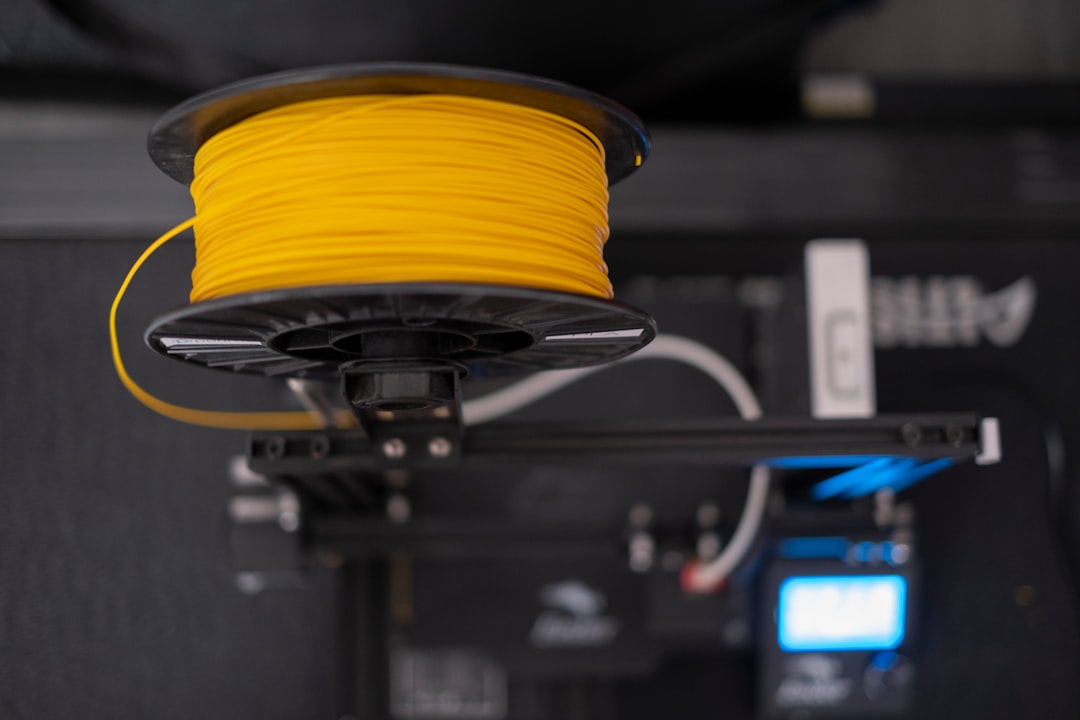
You will need filament. Most beginners use PLA. It is easy to print. It comes in many colors. It is usually cheap.
A roll of PLA may cost around $15 to $25. You may also want tools and spare parts.
Useful extras include:
- Extra nozzles
- Filament
- Glue stick or bed adhesive
- Scraper
- Flush cutters
- Digital calipers
- Spare PTFE tube
- Replacement build surface
You do not need everything on day one. But you should plan for extra costs. A $100 printer can become a $180 hobby very quickly.
7. You Need to Learn Slicer Software
A 3D printer does not understand normal 3D models by itself. It needs instructions. That is where slicer software comes in.
A slicer turns a 3D model into layers. Then it creates a file the printer can follow. This file tells the printer where to move, how hot to get, and how much plastic to push out.
Popular slicers are often free. That is nice. But they have lots of settings. That can feel scary.
Do not worry. You only need a few settings at first:
- Layer height
- Nozzle temperature
- Bed temperature
- Print speed
- Infill amount
- Supports
Start with a basic profile for your printer. Print something small. Change one thing at a time. This is important. If you change ten settings and the print fails, you will not know why.
Think of slicing like cooking. Do not add every spice in the cabinet. Start simple.
8. Print Speed Will Not Be Amazing
3D printing is slow. A small keychain may take 20 minutes. A phone stand may take two hours. A big dragon may take all night.
A $100 printer is usually not built for high speed. It may shake if it moves too fast. Shaking causes rough surfaces and ugly corners.
Slower printing often gives better results. Yes, this means waiting. A lot.
This is normal in 3D printing. You start a print. You stare at the first layer like it is a rocket launch. Then you check it again five minutes later. Then again. Then again.
After a while, you learn to relax. Maybe.
If you need parts fast, a cheap printer may frustrate you. If you like watching a machine slowly build an object from nothing, you will love it.
9. Safety Still Matters
A 3D printer is not a toy. Even a cheap one has hot parts, moving parts, and electricity.
The nozzle can reach over 200°C. That is very hot. Do not touch it. The bed can also get hot. Keep fingers away while printing.
Place the printer on a stable surface. Keep it away from curtains, paper, and clutter. Do not leave it running for long periods when you are not home, especially when it is new and untested.
Ventilation is also important. PLA is usually considered beginner friendly, but fresh air is still a good idea. If you print materials like ABS, ventilation matters much more. But many $100 printers are not great for ABS anyway.
Also check the power supply. Buy from a trusted seller when possible. Read reviews. Look for safety complaints. If many users report smoke, sparks, or melted wires, run away. Fast.
Image not found in postmeta10. Community Support Is a Big Deal
This may be the most important tip. A cheap printer becomes much easier when other people use it too.
Before you buy, search for the printer online. Look for videos, forums, groups, and reviews. If nobody talks about it, be careful.
A strong community means you can find:
- Setup guides
- Printer profiles
- Fixes for common problems
- Upgrade ideas
- Replacement part advice
- Honest warnings
Community support can turn a confusing machine into a fun project. Someone else has probably had the same problem. Someone else has probably fixed it. Someone else has probably posted a blurry photo and said, “Help, why does my cube look like soup?”
Good news. The 3D printing world is full of helpful nerds. They love solving problems. They also love tiny plastic boats.
Bonus Tip: Do Not Upgrade Everything Right Away
This is a common trap. You buy a cheap printer. Then you watch videos. Suddenly you want new springs, a new extruder, silent drivers, better fans, a glass bed, LED lights, a camera, and maybe a cup holder.
Slow down, captain printer.
First, learn the machine as it is. Print simple things. Learn what each part does. Fix basic problems. Then upgrade only what you need.
Some upgrades help a lot. Some do almost nothing. Some make things worse if installed badly.
The best first “upgrade” is knowledge. It is free. It also does not require tiny screws.
What Can You Print on a $100 3D Printer?
You can print plenty of fun and useful things. Start small. Small prints finish faster. They also waste less filament when something goes wrong.
Good beginner prints include:
- Cable clips
- Keychains
- Mini planters
- Drawer organizers
- Phone stands
- Board game pieces
- Simple toys
- Replacement knobs
Avoid huge prints at first. Also avoid very detailed models with lots of supports. Supports are extra plastic structures that hold up overhangs. They are useful, but they can be annoying to remove.
Start with easy models. Build confidence. Then print the giant dragon.
So, Should You Buy One?
Buy a $100 3D printer if you like learning. Buy one if you enjoy tinkering. Buy one if failed prints will make you laugh instead of scream into a pillow.
Do not buy one if you need perfect parts for serious work right away. Do not buy one if you hate setup. Do not buy one if you expect it to work like a paper printer.
A cheap 3D printer is not just a machine. It is a hobby. It teaches patience. It teaches problem solving. It teaches you that one tiny setting can ruin a four hour print. Beautiful, right?
But when it works, it feels amazing. You download a model, press print, and a real object appears layer by layer. That is still kind of magic.
So check reviews. Watch setup videos. Budget for filament. Prepare for mistakes. Then, if you are still excited, go for it.
Your first print may not be perfect. It may be ugly. It may be weird. It may look like melted toast. But it will be yours. And that is the fun part.