


For teams evaluating conversation automation, a free trial can be useful only if it shows how the product behaves in realistic conditions. The CloseBot free trial is best understood as a practical testing period: it gives prospective users a way to explore the platform, assess fit, and decide whether its automation capabilities can support their sales or lead follow-up process before committing to a paid subscription.
TLDR: The CloseBot free trial typically lets users test core chatbot and lead engagement features, including automated conversations, workflow setup, and basic performance review. Its value is strongest when you test it with real use cases rather than merely browsing the interface. However, trial access may include limits on duration, message volume, integrations, advanced customization, support, or data access. Before upgrading, confirm what is included in your specific trial because terms can change.
What the CloseBot Free Trial Is Designed to Do
The purpose of the trial is not simply to provide a temporary login. It is intended to help businesses determine whether CloseBot can improve the way they respond to prospects, qualify leads, and maintain consistent communication. For organizations that rely on fast follow-up, missed messages and delayed replies can directly affect revenue. A trial gives decision-makers a controlled way to see whether automation can reduce those gaps.
CloseBot is commonly evaluated by teams that want a more structured approach to conversations. Instead of manually answering every inquiry, users can test automated responses, lead qualification paths, and follow-up logic. The trial can also help managers understand whether the platform is suitable for their sales process, their customer journey, and their preferred communication channels.

Core Features You Can Expect to Test
Specific trial access may vary by plan, region, or promotional offer, but most users should expect the opportunity to explore the platform’s central capabilities. The most important features to evaluate include the following:
- Bot setup and configuration: Users can usually create or adjust automated conversation flows, define responses, and establish basic rules for how the bot should engage leads.
- Lead qualification: The trial may allow you to test how the bot asks questions, gathers information, and identifies whether a prospect is ready for human follow-up.
- Conversation automation: A primary feature is the ability to automate replies, guide prospects through a sequence, and maintain engagement without requiring immediate staff involvement.
- Dashboard access: Most trials include access to a management interface where users can review conversations, monitor activity, and adjust settings.
- Notifications and handoff: You may be able to test alerts or handoff rules that notify a team member when a conversation requires personal attention.
- Templates or starter workflows: Some trials provide prebuilt structures to help new users launch faster without building every message from scratch.
When testing these features, it is important to avoid judging the software only by its initial setup screens. A chatbot platform becomes meaningful when it is tested against actual business scenarios. For example, if your team frequently receives pricing questions, appointment requests, or unqualified inquiries, those situations should be built into your trial test cases.
Automation and Conversation Quality
A strong free trial should help you determine whether CloseBot’s automation feels useful, accurate, and consistent. The best automation does not merely respond quickly; it responds in a way that supports the customer’s intent. During the trial, pay close attention to whether conversations feel natural, whether the bot asks relevant follow-up questions, and whether it avoids creating confusion.
Speed is valuable, but clarity is more important. A fast but poorly structured response can damage trust. In contrast, a well-designed bot can provide immediate acknowledgment, collect essential information, and prepare the lead for the next step. This is especially important for sales teams that handle a high volume of inquiries and need to prioritize the most promising opportunities.
Integrations and Workflow Fit
One of the most important questions during any free trial is whether the tool fits into your existing workflow. CloseBot may offer integrations or connection options with systems such as customer relationship management platforms, messaging tools, calendars, or lead sources. However, integration access may be limited during a trial, so this area deserves careful verification.
If integrations are available, test them early. Do not wait until the final day of the trial to confirm whether leads move correctly between systems. Check whether contact details are captured accurately, whether notes or conversation history transfer as expected, and whether your staff receives alerts in the right place. A chatbot that works well in isolation may still create operational friction if it does not connect properly with the tools your team already uses.
Reporting and Performance Visibility
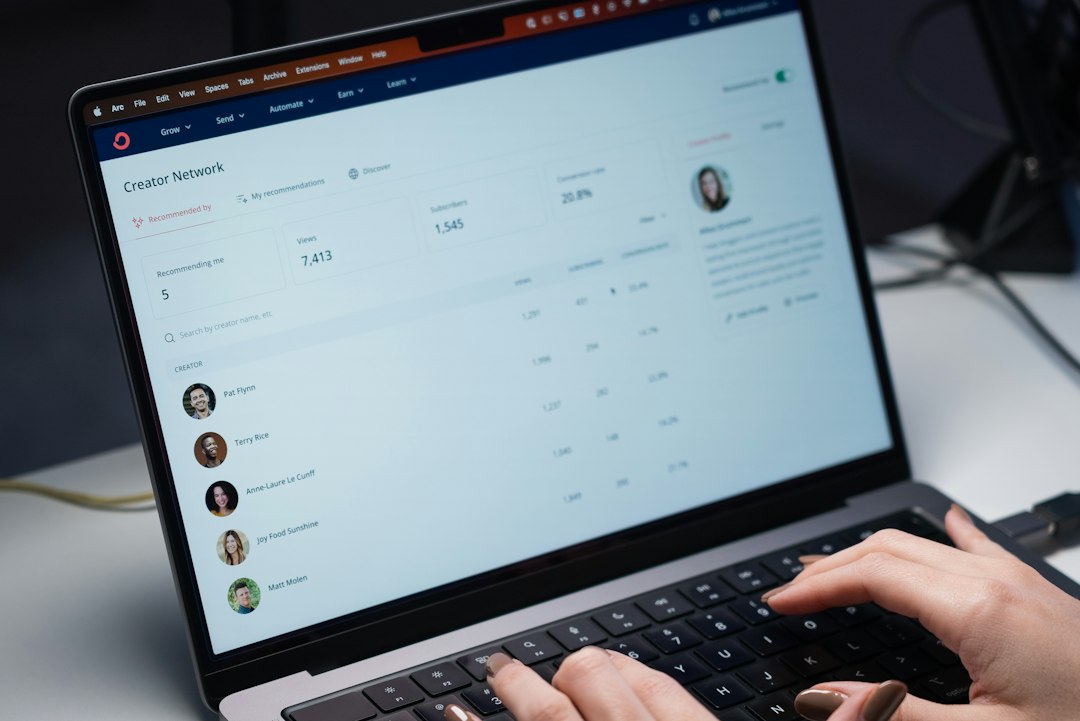
CloseBot’s free trial may also provide access to basic reporting or conversation review tools. These are important because automation should be measured, not assumed. Useful metrics may include response volume, lead engagement, conversion points, unanswered questions, and handoff rates.
During the trial, review both quantitative and qualitative data. Numbers can show how often the bot engages users, but conversation transcripts reveal whether those interactions are actually helpful. Look for patterns: Are prospects dropping off after a particular question? Are they asking for information the bot does not provide? Are qualified leads being routed to the right person quickly?
Even limited analytics can be valuable if they reveal whether the system is moving prospects forward. A serious evaluation should include a review of outcomes, not just activity.
Common Limitations of the Free Trial
Every free trial has boundaries, and CloseBot is no exception. These limitations are not necessarily negative; they are standard in software trials. However, they should be understood clearly before you rely on the trial for a full business rollout.
- Limited trial duration: Access may be available only for a set number of days. This can restrict how much testing you can perform, especially if your sales cycle is longer.
- Message or conversation caps: Some trials limit the number of conversations, messages, leads, or bot interactions you can process.
- Restricted integrations: Certain integrations may be unavailable, limited, or reserved for paid plans.
- Limited customization: Advanced branding, complex workflows, custom logic, or deeper configuration options may not be included.
- Reduced support access: Trial users may receive self-service resources or standard support rather than priority assistance.
- Feature exclusions: Some advanced automation, analytics, API access, team permissions, or enterprise-level controls may require a paid subscription.
- Data retention limits: Trial data may be deleted or restricted after the trial ends unless you upgrade or export it in time.
Before starting the trial, it is wise to document which features are essential for your business. Then compare that list with what the trial actually includes. This helps avoid a common problem: assuming a feature is absent when it is simply unavailable in the trial tier.
How to Evaluate the Trial Seriously
A trustworthy evaluation should be structured. Instead of clicking through the product casually, create a short testing plan. Begin by identifying your most common lead types and the questions those leads usually ask. Then build trial conversations around those situations.
- Define success criteria: Decide what would make the tool worth paying for. Examples include faster first response, better lead qualification, fewer missed inquiries, or improved appointment booking.
- Use realistic sample leads: Test the bot with actual questions your prospects ask, not idealized examples.
- Check handoff quality: Confirm that human team members receive enough context when a conversation needs personal attention.
- Review transcripts: Read conversations carefully to identify confusing language, dead ends, or missed intent.
- Test integrations: If integrations matter to your workflow, verify them as early as possible.
- Estimate paid-plan requirements: Compare your expected usage with the limits and pricing of the plan you may need after the trial.
This approach gives you a stronger basis for decision-making. It also helps separate temporary trial excitement from long-term operational value.

Who Benefits Most from the Trial?
The CloseBot free trial is most useful for businesses that already have a clear lead management challenge. If your team receives frequent inquiries, struggles with response time, or needs to qualify leads before assigning them to sales staff, the trial can provide meaningful insight. It may also be valuable for companies comparing automation tools and wanting to understand how CloseBot handles real conversations.
However, the trial may be less useful for users who do not yet have a defined process. If you are unsure what your bot should say, what information it should collect, or when it should escalate to a human, you may spend much of the trial on planning rather than evaluation. In that case, prepare your workflows before activating the trial period.
Important Questions to Ask Before Upgrading
Before moving from the free trial to a paid plan, ask direct questions about scope and cost. Confirm the monthly or annual pricing, usage limits, cancellation terms, available integrations, support levels, and any onboarding fees. It is also sensible to ask what happens to trial data after the trial ends.
You should also confirm whether the features you tested will remain available in the plan you choose. In some software products, trial environments may include capabilities that belong to higher-tier plans. A careful review prevents misunderstandings and helps create a realistic budget.
Final Assessment
The CloseBot free trial can be a valuable way to assess whether automated lead engagement fits your business. Its main strength is the opportunity to test real conversation flows, evaluate response quality, and see whether automation can reduce manual workload. For sales-driven teams, even modest improvements in response time and lead qualification can be significant.
At the same time, the trial should be viewed with a clear understanding of its limitations. Time restrictions, usage caps, integration access, and support levels may affect what you can fully evaluate. The most responsible approach is to treat the trial as a structured pilot: define your goals, test realistic scenarios, review results carefully, and confirm paid-plan details before making a decision.
Used thoughtfully, the trial can provide more than a brief product preview. It can help determine whether CloseBot is a serious operational fit for your team’s communication, follow-up, and lead management needs.