


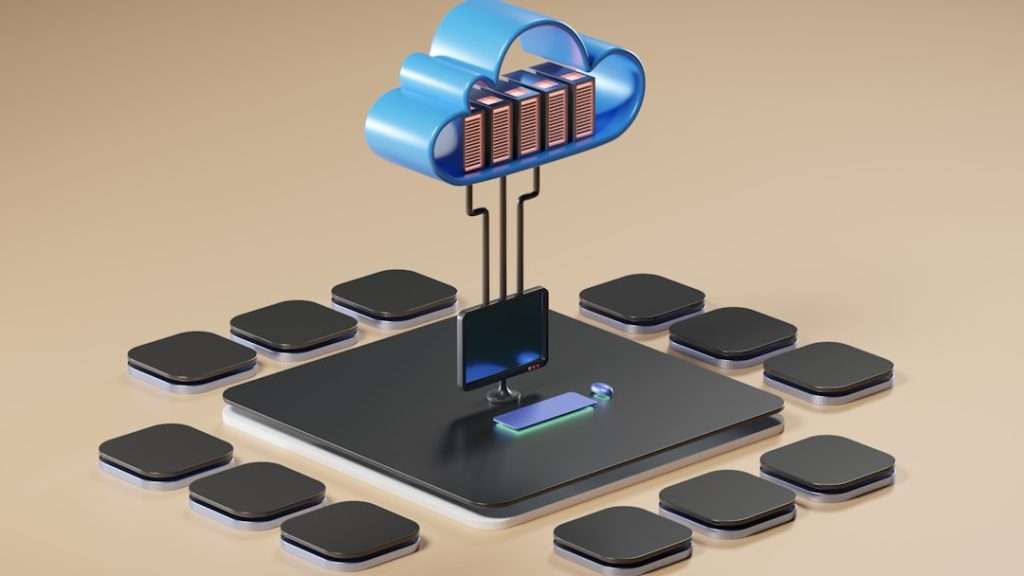
Modern organizations depend on data from applications, cloud services, transactional databases, spreadsheets, customer platforms, sensors, and third-party providers. Yet raw data rarely arrives in a clean, consistent, or business-ready form. To turn that scattered information into reliable analytics, many organizations rely on a data warehouse integration layer, a critical part of the modern data architecture that connects sources, standardizes data, and prepares it for reporting, analytics, and decision-making.
TLDR: A data warehouse integration layer is the part of a data architecture that moves, transforms, validates, and organizes data before it becomes available in a warehouse. It matters because it improves data quality, creates consistency across systems, and helps business users trust the reports they use. Without it, organizations often face duplicated data, conflicting metrics, slow analytics, and expensive manual cleanup. A strong integration layer makes the data warehouse more scalable, secure, and useful.
What Is a Data Warehouse Integration Layer?
A data warehouse integration layer is the connective layer between source systems and the data warehouse. It is responsible for collecting data from multiple places, transforming it into a common structure, checking it for quality, and loading it into the warehouse in a way that supports analysis. In simple terms, it acts as the organized bridge between messy operational data and clean analytical data.
Source systems may include customer relationship management platforms, enterprise resource planning systems, marketing automation tools, ecommerce platforms, billing systems, mobile apps, and external data feeds. Each system may store information differently. One system may call a customer identifier customer_id, another may use client_number, and another may not use a unique identifier at all. The integration layer helps reconcile these differences.
This layer can include tools, pipelines, scripts, data models, validation rules, orchestration workflows, and metadata management processes. It may use traditional ETL, which means extract, transform, and load, or modern ELT, which means extract, load, and transform. In both approaches, the purpose is similar: data must be made usable, consistent, and trustworthy.
Why the Integration Layer Exists
A data warehouse is designed for analysis rather than day-to-day transactions. It stores historical, structured, and often aggregated information so that teams can answer questions such as:
- Which products are generating the highest profit?
- How are customer acquisition costs changing over time?
- Which regions have the fastest sales growth?
- Where are operational delays occurring?
- How accurate are forecasts compared with actual results?
However, a warehouse cannot answer these questions well if the incoming data is incomplete, inconsistent, or poorly organized. The integration layer exists to solve this problem. It ensures that data from different departments and systems can be combined into a shared structure. It also reduces the need for analysts to repeatedly clean and prepare the same data manually.
Core Functions of a Data Warehouse Integration Layer
The integration layer performs several important functions. While the exact design varies depending on the organization, most integration layers include the following capabilities.
1. Data Extraction
Data extraction is the process of pulling information from source systems. This may happen through APIs, database replication, flat file transfers, event streams, or direct connectors. Some data may be extracted in batches every hour or every day, while other data may be streamed in near real time.
The integration layer must handle different formats, connection methods, and update patterns. For example, financial data may arrive as scheduled files, while website behavior data may arrive continuously as events.
2. Data Transformation
Transformation is where raw data becomes analytically useful. This may involve changing data types, standardizing date formats, cleaning text fields, mapping codes to readable categories, combining tables, removing duplicates, and calculating derived values.
For example, one system may store country as “USA,” another as “United States,” and another as “US.” The integration layer can standardize these values so dashboards and reports do not split the same country into multiple categories.
3. Data Validation
Validation checks whether data meets expected rules. A validation rule may confirm that order totals are not negative, customer records have valid email formats, or transaction dates are not in the future. These checks help detect errors before they affect executive dashboards or machine learning models.
Data validation is especially important because bad data can lead to bad decisions. If a sales dashboard includes duplicate orders or missing refunds, leaders may overestimate revenue and make poor planning choices.
4. Data Loading
Once data is extracted, transformed, and validated, it is loaded into the warehouse. The loading process must be efficient and reliable. It may involve full refreshes, incremental updates, partitioned loading, or merge operations that update existing records and add new ones.
A well-designed loading process helps keep warehouse data current without placing unnecessary strain on source systems or the warehouse itself.
5. Metadata and Lineage Tracking
Metadata describes data, while lineage explains where the data came from and how it changed over time. These details are essential for governance, auditing, troubleshooting, and trust.
For example, if a revenue metric changes unexpectedly, lineage can help analysts trace the number back through transformations and source systems. This makes it easier to determine whether the change reflects real business activity or a pipeline issue.
How It Fits into a Modern Data Architecture
The data warehouse integration layer is not an isolated component. It usually works alongside several other parts of a data ecosystem, including source systems, data lakes, staging areas, data warehouses, semantic layers, business intelligence tools, and governance platforms.
In many modern architectures, raw data first lands in a staging area or data lake. From there, transformation processes prepare it for structured warehouse tables. Business intelligence tools then connect to the warehouse so users can build dashboards, reports, and analytical models.
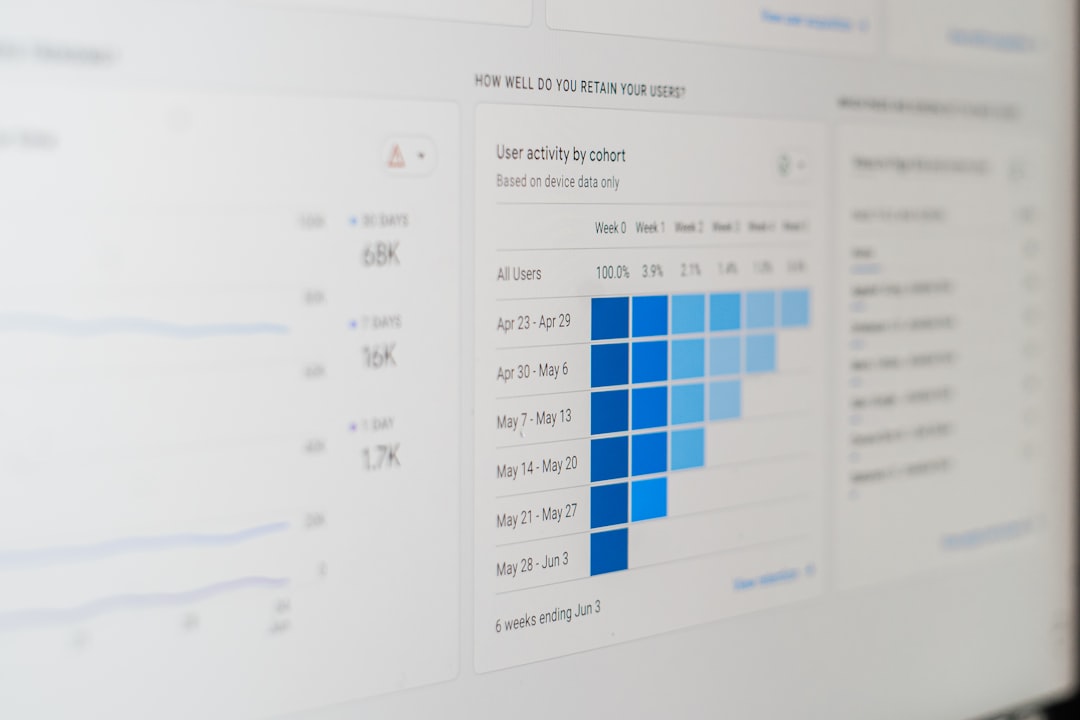
This structure helps separate concerns. Operational systems can focus on transactions, the integration layer can focus on preparation and quality, and the warehouse can focus on fast analytical queries. This separation makes the overall architecture more reliable and easier to scale.
Why the Integration Layer Matters
The importance of the integration layer becomes clear when organizations try to run analytics without one. Teams may discover that reports disagree, metrics are defined differently, or data takes too long to prepare. These issues can reduce confidence in analytics and slow decision-making.
It Improves Data Quality
High-quality data is accurate, complete, consistent, timely, and relevant. The integration layer improves quality by applying rules, removing duplicates, correcting formats, and flagging suspicious records. This creates a stronger foundation for analytics.
When data quality is poor, users may stop trusting dashboards. They may return to spreadsheets, create their own calculations, or ask analysts to manually verify numbers. A strong integration layer prevents much of this confusion.
It Creates Consistent Business Definitions
Different departments often define the same metric differently. Marketing may define a customer as anyone who submits a form, while finance may define a customer as someone who has paid an invoice. The integration layer can help enforce agreed definitions by applying standard transformation logic.
This consistency is vital for organization-wide reporting. When leadership asks for total revenue, active customers, or churn rate, everyone should be working from the same definition.
It Reduces Manual Work
Without a proper integration layer, analysts often spend large amounts of time cleaning data, joining files, checking errors, and rebuilding recurring reports. This is inefficient and increases the risk of mistakes.
An automated integration layer reduces repetitive work. Analysts can spend more time interpreting data, finding insights, and supporting strategy rather than preparing the same datasets again and again.
It Supports Scalability
As organizations grow, the volume and variety of data increase. A small company may start with a few systems, but over time it may add marketing platforms, payment systems, product analytics, support tools, and regional databases.
A scalable integration layer makes it easier to add new sources and handle larger data volumes. Instead of building one-off connections for every report, organizations can establish reusable patterns and standardized pipelines.
It Strengthens Governance and Compliance
Many organizations must follow privacy, security, and regulatory requirements. The integration layer can help enforce controls around sensitive data, such as masking personal information, restricting access, retaining audit logs, and documenting data lineage.
This is especially important in industries such as healthcare, finance, insurance, and ecommerce, where data misuse can create legal, financial, and reputational risks.
Common Components of an Integration Layer
A data warehouse integration layer may include several technical and process-based components. Common examples include:
- Connectors: Tools or interfaces that pull data from applications, databases, and APIs.
- Staging tables: Temporary or intermediate storage areas where raw data is held before transformation.
- Transformation logic: SQL, code, or visual workflows that clean and reshape data.
- Orchestration tools: Systems that schedule, monitor, and coordinate pipeline tasks.
- Data quality checks: Rules that test completeness, uniqueness, validity, and consistency.
- Error handling: Processes that identify, log, and resolve pipeline failures.
- Monitoring dashboards: Views that show pipeline health, latency, and processing status.
- Metadata catalogs: Repositories that document datasets, fields, definitions, and ownership.
ETL vs. ELT in the Integration Layer
The integration layer may use either ETL or ELT, depending on technology choices and business needs. In an ETL process, data is transformed before it is loaded into the warehouse. This approach has traditionally been used when warehouse storage and processing power were limited.
In an ELT process, data is loaded first and transformed inside the warehouse or cloud data platform. ELT has become popular because modern cloud warehouses can process large volumes of data efficiently. It also allows teams to store raw data and apply different transformations for different use cases.
Neither approach is universally better. The right choice depends on performance requirements, governance needs, cost considerations, data volume, and team skills. Many organizations use a hybrid approach.
Challenges in Building an Integration Layer
Although the integration layer creates major benefits, it can also be challenging to build and maintain. Common challenges include changing source system schemas, inconsistent data ownership, pipeline failures, unclear business rules, and growing data complexity.
Another common challenge is balancing flexibility with control. Business teams often want fast access to new data, while governance teams need quality and compliance checks. A mature integration layer supports both needs by offering standardized processes without slowing innovation unnecessarily.
Best Practices for a Strong Integration Layer
Organizations can improve their integration layer by following several best practices:
- Define ownership: Each important dataset should have a clear business and technical owner.
- Standardize naming conventions: Consistent field names and table structures make data easier to understand.
- Document transformations: Business logic should be visible and explainable.
- Automate testing: Data quality tests should run regularly, not only after problems appear.
- Monitor pipelines: Teams should know quickly when data is late, incomplete, or broken.
- Design for change: Pipelines should be flexible enough to handle new sources and evolving business rules.
- Protect sensitive data: Security and privacy controls should be built into integration processes.
The Business Value of the Integration Layer
The data warehouse integration layer is not just a technical concern. It directly affects business performance. When data is integrated well, leaders can act faster, analysts can produce more reliable insights, and teams can align around shared metrics.
It also supports advanced analytics, artificial intelligence, and forecasting. These capabilities depend on clean, well-structured historical data. If the integration layer is weak, advanced models may produce inaccurate or biased results. If it is strong, the organization has a dependable foundation for innovation.
In this sense, the integration layer is like the plumbing of the data environment. It may not always be visible to business users, but it determines whether information flows cleanly, safely, and efficiently.
Conclusion
A data warehouse integration layer is essential for turning scattered data into trusted business intelligence. It connects sources, transforms raw records, validates quality, tracks lineage, and loads information into the warehouse in a structured way. Without it, organizations risk inconsistent metrics, unreliable reporting, and inefficient manual processes.
As data volumes continue to grow, the integration layer becomes even more important. It helps organizations scale analytics, improve governance, and make decisions based on accurate information. For any organization that depends on data, the integration layer is not optional; it is a foundational part of a successful data strategy.
FAQ
What is a data warehouse integration layer?
It is the part of a data architecture that connects source systems to a data warehouse. It extracts, transforms, validates, and loads data so that it can be used for analytics and reporting.
Is the integration layer the same as a data warehouse?
No. The data warehouse stores structured analytical data, while the integration layer prepares and moves data into the warehouse. The integration layer supports the warehouse but is not the warehouse itself.
Why is data quality important in the integration layer?
Data quality ensures that reports and dashboards are accurate and trustworthy. Poor data quality can lead to incorrect conclusions, wasted time, and flawed business decisions.
What is the difference between ETL and ELT?
ETL transforms data before loading it into the warehouse. ELT loads data first and transforms it within the warehouse or cloud data platform. Both approaches can be effective depending on the organization’s needs.
Who uses the data prepared by the integration layer?
Business analysts, data scientists, executives, finance teams, marketing teams, operations teams, and many other users may rely on integrated warehouse data for reporting, forecasting, and decision-making.
Can small businesses benefit from a data warehouse integration layer?
Yes. Even smaller organizations can benefit from consistent data pipelines, especially when they use multiple business applications. A simple integration layer can reduce manual reporting work and improve confidence in key metrics.
What happens if an organization does not have a proper integration layer?
It may experience inconsistent reports, duplicated data, unclear metric definitions, slow analysis, and heavy reliance on manual spreadsheet work. Over time, these issues can reduce trust in data and limit business agility.