



When markets get weird, investors often look for something that feels solid. Stocks may jump around. Banks may wobble. Currencies may lose value. In those moments, many people turn their eyes to one shiny metal: gold.
TLDR: Investors keep turning to gold during economic uncertainty because it has a long history as a store of value. It can help protect portfolios when inflation, currency weakness, or market fear rise. Gold is not magic, but it often acts like financial comfort food. It is simple, global, liquid, and trusted by many people.
Gold Feels Like the “Old Reliable” of Money
Gold has been valued for thousands of years. Ancient kings liked it. Merchants liked it. Modern investors still like it. That is a pretty long winning streak.
Gold is not useful because it pays interest. It does not send you dividends. It will not grow a sandwich shop or launch a phone app. But it has one special power. People almost everywhere believe it has value.
That belief matters. A lot.
During uncertain times, investors want assets that do not depend on a single company, country, or promise. Gold fits that idea. It is physical. It is rare. It is easy to recognize. It also has a history that gives people confidence.
In simple terms, gold is like the friend who always shows up with snacks when everything goes wrong.
It Can Help When Inflation Gets Annoying
Inflation means prices rise over time. Your grocery bill gets bigger. Gas costs more. Rent climbs. Even your favorite snack bag seems to shrink. Rude.
When inflation rises, paper money can lose buying power. One dollar may not buy as much as it did before. Investors start looking for assets that may hold value better.
This is one reason gold gets attention.
Gold is often seen as an inflation hedge. That means investors hope it can protect wealth when money buys less. It does not always move perfectly with inflation. Nothing does. But over long periods, gold has often kept its purchasing power better than many currencies.
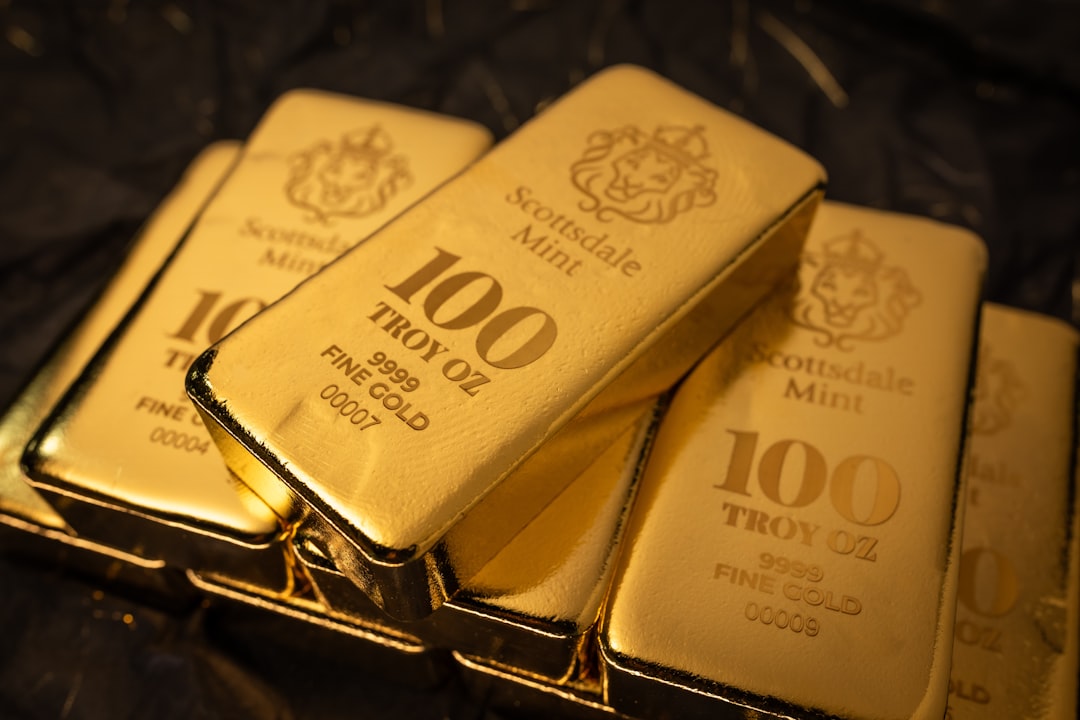
Think of it this way. A paper bill can be printed. A gold bar cannot be created with a button click. You have to mine it, refine it, and store it. That takes time and money.
This limited supply makes gold attractive when people worry that too much money is being printed.
Gold Does Not Depend on a Company’s Earnings
Stocks are pieces of companies. That can be great. Companies can grow. They can invent cool things. They can make profits. Investors can win big.
But companies also face problems. Sales can fall. Costs can rise. Debt can become heavy. A leader can make bad decisions. A new competitor can steal customers.
Gold is different.
Gold does not need a CEO. It does not file quarterly earnings. It does not miss sales targets. It does not get canceled on social media.
That makes it appealing during recessions or market panics. When investors worry about company profits, gold may feel safer. It becomes a place to park money while the storm passes.
It Can Add Balance to a Portfolio
A good investment portfolio is like a good snack plate. You do not want only crackers. You want cheese, fruit, nuts, and maybe cookies. Balance matters.
Gold can play that balancing role.
Investors often use gold for diversification. This means spreading money across different assets. The goal is simple. If one thing falls, another thing may hold steady or rise.
Gold does not always move in the same direction as stocks or bonds. Sometimes it rises when stock markets fall. Sometimes it stays steady when other assets swing wildly. This can reduce stress in a portfolio.
Here are a few assets investors may mix together:
- Stocks, for growth.
- Bonds, for income and stability.
- Cash, for flexibility.
- Real estate, for income and long-term value.
- Gold, for protection and diversification.
Gold is not meant to replace everything else. It is often used as a supporting player. Like a drummer in a band. Not always in the spotlight, but very important when the rhythm gets messy.
It Is a Safe Haven During Market Fear
When investors get scared, they often run toward safe-haven assets. A safe haven is an asset people trust during trouble. Gold is one of the most famous ones.
Economic uncertainty can come from many places:
- Recessions.
- Banking problems.
- Wars or political tension.
- High inflation.
- Currency weakness.
- Stock market crashes.
- Rising debt levels.
During these times, fear can move markets fast. Investors may sell risky assets and buy gold. This does not mean gold always goes up in every crisis. Markets can be strange. But gold often gets more attention when people feel nervous.
In a way, gold is like a financial umbrella. You may not need it every day. But when the clouds get dark, you are happy to have it.
Gold Is Recognized Around the World
Gold is global. It does not need translation. A gold coin in New York is understood in Tokyo. A gold bar in London is understood in Dubai.
This worldwide recognition is a big reason investors like it. Gold is not tied to one company or one government. It has value in many cultures and markets.
That makes gold useful during currency problems. If people lose faith in a currency, they may want an asset that is accepted beyond their borders. Gold can fill that role.
This is also why central banks hold gold. Central banks are the big financial institutions that manage national money systems. Many of them keep gold as part of their reserves. They do not do this because gold is pretty. Though, yes, it is pretty. They do it because gold is trusted.
It Has No Counterparty Risk
This sounds fancy. But it is simple.
Counterparty risk means someone else must keep a promise for your asset to have value. For example, a bond depends on the borrower paying you back. A bank deposit depends on the bank and the rules protecting that deposit. A stock depends on a company still being worth something.
Physical gold is different. If you own a gold coin or bar, you do not need another person to perform. The gold is the asset.
Of course, you still need to store it safely. You also need to avoid fake products and shady sellers. But the basic idea is powerful. Gold is not someone else’s debt.
That matters a lot when trust gets shaky.
Gold Can Protect Against Currency Weakness
Currencies rise and fall. The dollar, euro, yen, pound, and others all move in value. These moves can happen because of interest rates, debt, politics, trade, or investor confidence.
When a currency weakens, gold may become more attractive. This is especially true when people worry that their savings are losing value.
Gold is often priced in U.S. dollars. So when the dollar weakens, gold prices can rise. But gold is also used by investors in many countries as a way to reduce currency risk.
You can think of gold as a “no favorite team” asset. It is not rooting for one currency. It sits on the field with shiny shoes and lets everyone argue.
It Is Liquid and Easy to Trade
Liquidity means you can buy or sell something without too much trouble. Gold is very liquid. There is a large global market for it.
Investors can own gold in different ways:
- Physical gold, such as coins and bars.
- Gold ETFs, which trade like stocks.
- Gold mining stocks, which are shares of mining companies.
- Gold mutual funds, which hold gold-related assets.
- Gold futures, used by more advanced traders.
Each option has pros and cons. Physical gold feels direct, but storage matters. ETFs are easy to trade, but they are financial products. Mining stocks can rise more than gold, but they also carry company risks.
The key point is this. Investors have choices. Gold is not hard to access anymore. You do not need a pirate map or a dragon cave.
Central Banks Still Buy It
Central banks are not small investors. They move huge amounts of money. When they buy gold, people notice.
Many central banks hold gold to diversify their reserves. Some buy more when they want less exposure to foreign currencies. Others use gold to strengthen confidence in their financial system.
This creates a powerful message. If the biggest money managers in the world still value gold, regular investors pay attention.
Central bank buying can also support demand. More demand can help prices, especially when supply is limited.

Gold Supply Is Limited
Gold is rare. That is part of its charm. If gold were as common as gravel, nobody would care much.
Mining new gold is hard. It can take years to find a deposit, get permits, build a mine, and produce metal. Mining also costs a lot. There are labor costs, equipment costs, energy costs, and environmental rules.
Because supply grows slowly, gold can react strongly to changes in demand. If many investors want gold at the same time, prices may rise because there is not an endless supply waiting around.
This limited supply makes gold different from paper money. Governments can create more currency. They cannot create more gold with a keyboard.
It Helps Investors Sleep Better
Investing is not only math. It is also emotion. People want returns, yes. But they also want peace of mind.
During economic uncertainty, portfolios can feel like roller coasters. Big drops can make investors panic. Panic can lead to bad decisions, like selling at the worst possible time.
Gold may help some investors stay calm. If a small part of a portfolio is in gold, they may feel more protected. That can help them stick to their long-term plan.
This emotional benefit is underrated. A good investment is not just one that looks smart on a spreadsheet. It is also one that helps you avoid doing something silly when markets get spicy.
Gold Is Simple to Understand
Some investments are complex. They have formulas, contracts, fees, and moving parts. Gold is easier to grasp.
It is a metal. It is scarce. People value it. There is a global market for it. That is the core story.
This simplicity is attractive during confusing times. When headlines are full of debt ceilings, interest rates, bank stress, and recession forecasts, gold feels refreshingly basic.
It is shiny. It is heavy. It has value. Done.
But Gold Is Not Perfect
Let’s be fair. Gold has downsides too.
Gold does not pay income. If you own a gold bar, it will not send you cash each month. It just sits there looking fancy. Gold prices can also fall. Sometimes they stay flat for long periods. Storage and insurance can cost money if you own physical gold.
Gold mining stocks can be risky too. They depend on management, costs, mines, and regulations. They are not the same as owning gold itself.
So investors should not treat gold like a magic shield. It is not. It is a tool. A useful one, but still a tool.
How Much Gold Do Investors Usually Hold?
There is no perfect answer. Some investors hold none. Some hold a little. Some hold a lot. It depends on goals, risk tolerance, and beliefs about the economy.
Many financial professionals suggest gold as a small part of a diversified portfolio. For example, some investors may hold 5% to 10% in gold or gold-related assets. Others may choose more or less.
The important thing is purpose. Investors should know why they own gold. Is it for inflation protection? Crisis insurance? Diversification? Currency protection? Once the purpose is clear, the amount becomes easier to decide.
Why Gold Keeps Winning Attention
Gold keeps attracting investors because uncertainty never disappears. Economies expand and contract. Inflation rises and falls. Currencies strengthen and weaken. Markets boom and bust.
Through all of that, gold remains familiar. It has survived wars, defaults, crashes, and political drama. It has outlasted many currencies and many empires. That kind of track record is hard to ignore.
Investors turn to gold because it offers something rare in finance: trust that is built over centuries.
Gold is not exciting like a hot tech stock. It is not productive like a business. It is not cozy like a savings account. But during economic uncertainty, it can feel steady. It can feel global. It can feel real.
And sometimes, when the financial world feels like a circus, investors just want something that does not honk a clown horn.
That is why gold still shines.