



Building an email list is often associated with having a polished website, landing pages, and a full marketing funnel. However, a website is not required to start collecting subscribers. A creator, coach, freelancer, local business, or online seller can use social media platforms, simple lead magnets, and basic email marketing tools to build a valuable list from scratch.
TLDR: An email list can be built without a website by using social media profiles as traffic sources and lead magnets as incentives. A business can share helpful content, invite followers to claim a free resource, and collect email addresses through email marketing forms, direct messages, or hosted signup pages. The key is to offer something useful, make the signup process simple, and consistently promote the offer across social platforms.
Why Building an Email List Without a Website Works
Social media audiences are valuable, but they are not fully owned by the person or business that built them. Algorithms change, accounts can be restricted, and reach can fluctuate without warning. An email list gives a business a more direct communication channel with people who have already shown interest.
Without a website, social media becomes the main discovery channel. Platforms such as Instagram, TikTok, Facebook, LinkedIn, Pinterest, and X can all help attract attention. The email list then becomes the place where deeper trust is built through regular messages, offers, updates, and helpful resources.
The goal is simple: use social content to create interest, offer a useful free resource, and guide people to join the email list through a simple signup process.

Step 1: Choose the Right Audience
Before creating a lead magnet or posting promotional content, a business should define the audience it wants to attract. A broad audience usually produces weaker email signups. A specific audience makes the offer more relevant and easier to promote.
For example, instead of targeting “small business owners,” a marketer might focus on new fitness coaches who need help getting clients from Instagram. Instead of targeting “parents,” a creator might focus on busy parents looking for simple lunchbox meal plans.
A clear audience helps shape every part of the email list strategy, including the tone of social posts, the type of free resource offered, and the emails sent after someone subscribes.
Step 2: Create a Lead Magnet People Actually Want
A lead magnet is a free resource offered in exchange for an email address. It should solve a specific problem quickly. The best lead magnets are not necessarily long or complicated; they are useful, easy to consume, and directly connected to what the audience already wants.
Effective lead magnet ideas include:
- Checklists: Simple step-by-step guides, such as a launch checklist or packing checklist.
- Templates: Swipe files, email scripts, budget planners, social media captions, or proposal templates.
- Mini guides: Short PDF guides that explain one topic clearly.
- Discount codes: Useful for ecommerce sellers, service providers, or local businesses.
- Quizzes: A fun way to collect leads while giving personalized recommendations.
- Video trainings: Short lessons that teach one useful skill.
- Resource lists: Curated tools, book lists, supplier lists, or content ideas.
The lead magnet should connect naturally to the business’s paid offer. If a consultant sells productivity coaching, a free weekly planning template makes sense. If a nutritionist sells meal plans, a free grocery list or three-day meal plan is more relevant than a generic wellness guide.
Step 3: Use Hosted Signup Pages Instead of a Website
A website is helpful, but it is not required because many email marketing platforms provide hosted signup pages. These pages can be created inside the email platform and shared as a link. The page usually includes a headline, short description, form fields, and a button.
When using a hosted signup page, simplicity matters. A visitor arriving from social media should instantly understand what is being offered and why it is useful.
A strong signup page should include:
- A clear headline that explains the benefit.
- A short description of what the subscriber will receive.
- A simple form asking for only essential information, usually name and email address.
- A clear call to action, such as Get the Free Checklist or Send Me the Guide.
- A brief privacy statement explaining that subscribers can unsubscribe at any time.
Reducing friction is important. If the form asks for too much information, fewer people will complete it. For most beginners, collecting a first name and email address is enough.
Step 4: Optimize Social Media Profiles for Email Signups
Every social media profile should clearly point people toward the lead magnet. When a potential subscriber visits the profile, the offer should be easy to notice.
A profile can be optimized by adding:
- A short bio that explains who the account helps and how.
- A call to action that mentions the free resource.
- A signup link in the profile link area.
- Pinned posts that promote the lead magnet.
- Story highlights or featured posts that explain the free resource.
For example, a LinkedIn profile headline or Instagram bio might say, Helping new freelancers land better clients. Download the free client outreach script below. This tells visitors exactly what value is available and where to get it.

Step 5: Promote the Lead Magnet Through Content
Once the lead magnet and signup page are ready, the business needs to promote it consistently. Mentioning the free resource once is rarely enough. Social media followers need repeated reminders, especially because not every follower sees every post.
Content should educate, entertain, inspire, or solve small problems. The lead magnet can then be positioned as the next helpful step.
Useful content formats include:
- Short tips: Quick lessons related to the lead magnet topic.
- Carousel posts: Step-by-step explanations that end with a call to action.
- Short videos: Reels, TikToks, or Shorts that demonstrate a problem and solution.
- Stories: Casual reminders, polls, countdowns, and link stickers.
- Live sessions: Brief trainings that invite viewers to download the free resource afterward.
- Case studies: Examples of how someone achieved a result using a method related to the lead magnet.
A good promotional post does not simply say, “Join the email list.” Instead, it explains the benefit. For example, New coaches often struggle to write their first outreach message. A free script can help them start conversations without sounding awkward. This approach makes the signup feel useful rather than promotional.
Step 6: Collect Emails Through Direct Messages
Direct messages can be powerful when a business does not have a website. On many platforms, followers are comfortable sending a keyword to receive a resource. The business can then reply with a signup link or collect the email through a compliant automation tool.
For example, a post might say, Comment “planner” and the free weekly planning template will be sent by message. This creates engagement while giving interested people an easy next step.
However, email permission matters. A person should knowingly opt in to receive emails. If an email is collected through direct messages, it should be clear that the person is subscribing to receive the resource and future emails. Transparency builds trust and reduces complaints.
Step 7: Use Groups and Communities Carefully
Facebook Groups, LinkedIn Groups, Reddit communities, and niche forums can generate email signups when used respectfully. The best approach is not to enter a community and immediately post a link. Instead, the business should answer questions, share helpful insights, and follow the rules of the group.
When allowed, a lead magnet can be shared as an additional resource. For example, after answering a question about budgeting, a financial educator might mention a free budget tracker. The offer feels natural because it supports the conversation.
Community promotion works best when the business:
- Participates consistently before promoting anything.
- Offers value in comments and discussions.
- Reads and follows community rules.
- Shares the lead magnet only when it is relevant.
Step 8: Build a Simple Welcome Email Sequence
Collecting email addresses is only the beginning. After someone subscribes, the business should send a welcome email that delivers the lead magnet immediately. A short welcome sequence can continue building trust over the next few days.
A basic sequence might include:
- Email 1: Deliver the free resource and welcome the subscriber.
- Email 2: Share a helpful tip related to the resource.
- Email 3: Tell a short story or case study that builds credibility.
- Email 4: Introduce a relevant paid offer, service, or next step.
The tone should feel personal and helpful. A subscriber who receives value early is more likely to keep opening future emails.
Step 9: Track What Works
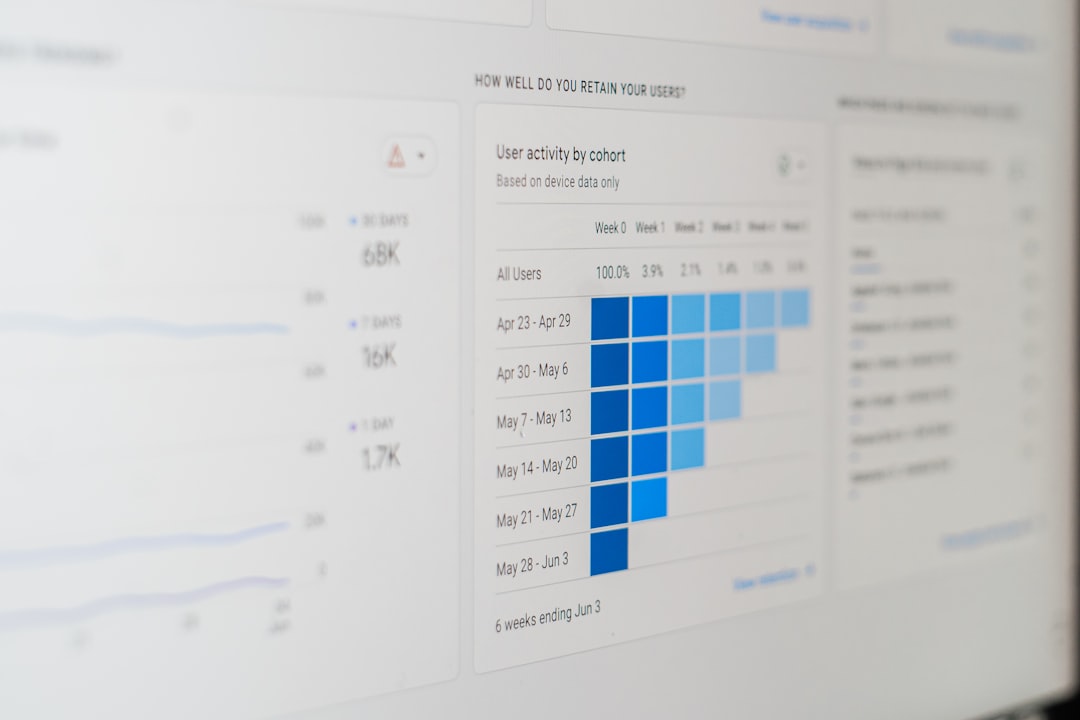
A business should track which platforms, posts, and lead magnets produce the most subscribers. This can be done with different signup links, platform analytics, or tags inside an email marketing tool.
Important numbers include signup rate, email open rate, click rate, and unsubscribe rate. If many people sign up but do not open emails, the welcome sequence may need improvement. If social posts get engagement but few signups, the call to action may not be clear enough.
Testing is part of the process. A business can test different lead magnet titles, post formats, calls to action, and signup page copy. Small improvements can lead to steady list growth over time.
Common Mistakes to Avoid
Many beginners collect emails slowly because they make the process too vague or inconsistent. The lead magnet may be too broad, the signup link may be hard to find, or the offer may not be mentioned often enough.
Common mistakes include:
- Creating a lead magnet that does not solve a specific problem.
- Using a weak call to action, such as link in bio without explaining the benefit.
- Promoting the email list only once or twice.
- Collecting emails without clear permission.
- Failing to send a welcome email immediately.
- Letting the list go cold after people subscribe.
The most successful list builders make email growth a regular part of social media content. They treat the lead magnet as a core offer, not an afterthought.
Conclusion
A website can make email marketing easier, but it is not essential for getting started. With a clear audience, a useful lead magnet, a hosted signup page, and consistent social media promotion, a business can build an email list from the ground up.
The strongest strategy is simple: provide value publicly on social media, invite interested followers to receive something even more useful, and continue the relationship through email. Over time, that email list becomes an owned audience that supports launches, sales, events, and long-term brand growth.
FAQ
Can someone build an email list without a website?
Yes. A business can use hosted signup pages from an email marketing platform, social media profile links, direct messages, and community posts to collect subscribers without having a website.
What is the best lead magnet for beginners?
The best beginner lead magnet is usually a simple checklist, template, short guide, or discount code. It should solve one clear problem and be easy to deliver instantly.
Which social media platform is best for building an email list?
The best platform depends on where the target audience is most active. LinkedIn may work well for B2B services, Instagram and TikTok may work well for creators and lifestyle brands, and Facebook Groups may work well for community-driven niches.
How often should a lead magnet be promoted?
A lead magnet should be promoted regularly, not just once. A business can mention it in profile bios, pinned posts, stories, videos, captions, live sessions, and community discussions when relevant.
Is it okay to collect emails through direct messages?
Yes, as long as permission is clear. The person should understand that they are subscribing to receive the resource and future emails. Clear consent helps maintain trust and compliance.
How many emails should be in a welcome sequence?
A simple welcome sequence can include three to five emails. It should deliver the lead magnet, provide extra value, introduce the brand, and guide subscribers toward a relevant next step.