



Marketing pest control is not just about bugs. It is about trust. People call you when they are stressed, scared, or very annoyed. A mouse in the kitchen is not a “maybe later” problem. A wasp nest over the porch is not a “next quarter” project. Your marketing should say one thing fast: “We can help, and we can help soon.”
TLDR: Pest control companies win more customers by being easy to find, easy to trust, and easy to contact. Focus on local SEO, Google reviews, fast booking, helpful content, and simple ads. Show real results, use clear offers, and follow up with past customers. Keep your message friendly, calm, and direct.
1. Build a Website That Does Not Scare People Away
Your website is your digital front door. If it loads slowly, looks old, or hides your phone number, customers may run faster than a roach under a fridge.
Keep your site simple. Make it clear what you do. Show the areas you serve. Add a big phone number at the top. Add a button that says “Book Service” or “Get a Free Quote.”
People in a pest panic do not want to read a novel. They want answers. Fast.
- Show your main services: ants, mice, roaches, bed bugs, termites, mosquitoes, wasps, and wildlife.
- Add your service area: list cities, towns, and neighborhoods.
- Use clear photos: trucks, team members, equipment, and before and after shots.
- Make contact easy: phone, form, chat, and text options all help.
- Make it mobile friendly: many customers search from their phones.
Do not make people hunt for help. Put the solution right in front of them.

2. Win Local Search With SEO
Search engine optimization sounds fancy. It is really simple. It helps people find you on Google when they search for things like “exterminator near me” or “bed bug treatment in Tampa.”
Local SEO is gold for pest control companies. Why? Because pests are local. A customer does not want an exterminator from three states away. They want someone nearby.
Create pages for each main service. Also create pages for each major city you serve. But make each page useful. Do not copy and paste the same text over and over. Google notices. So do humans.
Good page ideas include:
- Ant control in your city
- Termite inspection in your county
- Emergency wasp nest removal
- Rodent control for restaurants
- Bed bug treatment for apartments
Use simple words. Answer common questions. Explain your process. Mention safety. Mention pets and kids. People care about that a lot.
3. Make Your Google Business Profile Shine
Your Google Business Profile is often the first thing people see. It may show before your website. So treat it like prime real estate.
Fill out every section. Add your hours. Add services. Add photos. Add your phone number. Add your booking link. Keep it updated.
Post updates often. You can share tips, seasonal warnings, discounts, and service reminders.
For example:
- “Mosquito season is here. Book yard treatment this week.”
- “Seeing ants in the bathroom? Here is what it may mean.”
- “Termite swarmers spotted in the area. Schedule an inspection.”
This helps you look active. It also helps customers trust you.
4. Get More Reviews Without Being Weird
Reviews are powerful. They are like tiny salespeople working all day. A good review says, “This company showed up, solved the problem, and did not make things worse.”
Ask every happy customer for a review. Do it soon after the job. That is when they are most relieved. Relief is a great time to ask.
Make it easy. Send a text with a direct review link. Keep the message short.
Try this:
“Hi, this is Mike from Green Shield Pest Control. Thanks for choosing us today. If we did a great job, would you mind leaving a quick Google review? It helps local customers find us.”
Respond to reviews too. Say thank you. Be kind. Stay professional, even if the review is bad. A calm response can win future customers.
5. Use Pay Per Click Ads for Fast Leads
SEO takes time. Ads can bring leads fast. Google Ads work well for urgent pest problems. Someone searching “emergency exterminator near me” may be ready to call right now.
Start small. Focus on your best services and best areas. Do not try to advertise everywhere at once. That burns cash.
Best ad keywords may include:
- exterminator near me
- pest control near me
- bed bug exterminator
- termite treatment
- mouse removal
- wasp nest removal
Use strong calls to action. Simple is best.
- Call Today
- Same Day Service
- Free Inspection
- Book Online
Track every call. Track every form. If you do not track results, you are just throwing money into a bug zapper.
6. Create “Pest Panic” Landing Pages
A landing page is a focused page made for one service or offer. It should not distract people. No clutter. No menu maze. No mystery.
If you run ads for bed bugs, send people to a bed bug page. Not your homepage. The page should talk only about bed bugs.
A good landing page includes:
- A clear headline: “Fast Bed Bug Treatment in Your City.”
- A short problem section: explain signs of bed bugs.
- Your solution: inspection, treatment, follow up.
- Trust signals: reviews, licenses, guarantees, photos.
- A strong button: “Call Now” or “Schedule Treatment.”
Keep the tone calm. People may be embarrassed. Do not shame them. Bed bugs happen. Mice happen. Roaches happen. Your job is to solve it.
7. Make Seasonal Marketing Your Secret Weapon
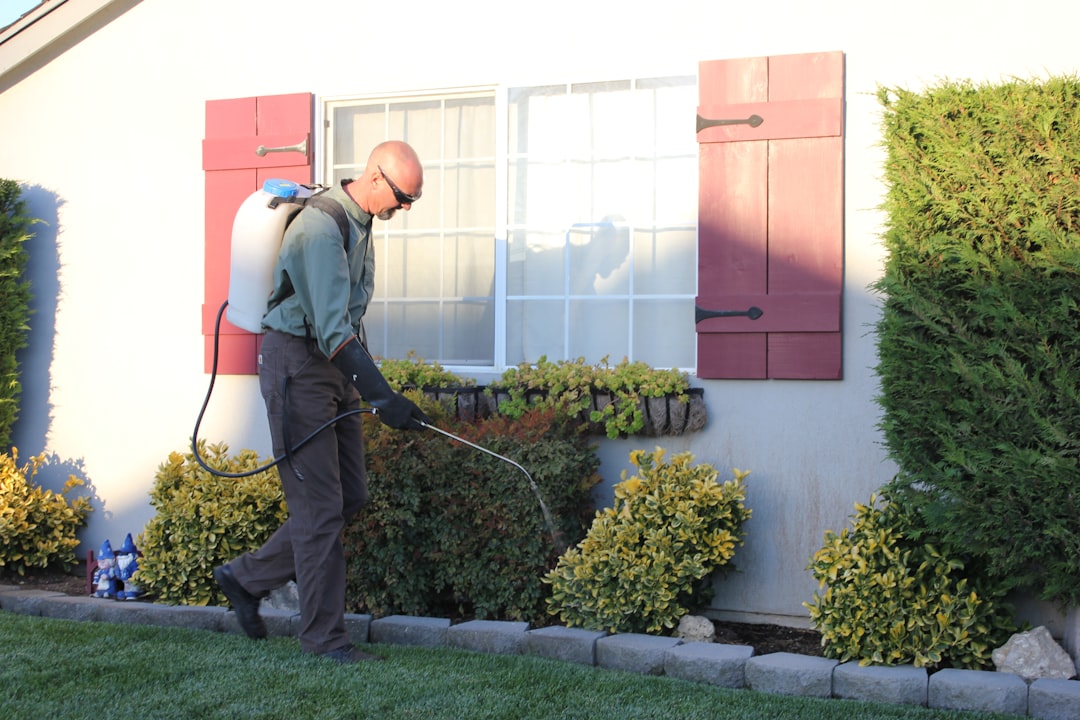
Pest control has seasons. Use them. Ants surge in warm weather. Rodents move inside when it gets cold. Termites swarm in spring. Mosquitoes ruin summer evenings.
Create a simple marketing calendar. Plan messages before the season hits. This keeps you ahead of the bugs and the competition.
Seasonal ideas:
- Spring: termite inspections, ant prevention, spider control.
- Summer: mosquito control, wasp removal, tick treatments.
- Fall: rodent proofing, stink bug prevention, crawlspace checks.
- Winter: mice control, attic inspections, commercial pest plans.
Use email, social posts, postcards, and ads. Keep the message timely. Customers act faster when the problem feels current.
8. Use Email Without Boring People
Email is not dead. It is just often dull. Do not send giant newsletters that feel like homework. Send short, helpful messages.
Your customers already know you. That makes email powerful. Use it to remind them about service plans, seasonal pests, and special offers.
Good email topics include:
- “How to Keep Mice Out This Fall”
- “5 Signs You May Have Termites”
- “Mosquito Season Starts Soon”
- “Time for Your Quarterly Treatment”
Add one clear button. Do not add ten. Too many choices freeze people. One button works better.
9. Turn Social Media Into a Trust Machine
You do not need to dance with a sprayer on TikTok. Unless you want to. Then please make it safe.
Social media helps people see the humans behind your company. Show your team. Show your trucks. Share quick tips. Post funny pest facts. Keep it light, but useful.
Great post ideas:
- Before and after photos of sealed entry points.
- A short video showing how mice enter a garage.
- A photo of a huge wasp nest, safely removed.
- A team member spotlight.
- A simple myth, like “Cheese is not the best mouse bait.”
Use local hashtags and location tags. Mention neighborhoods. People love local content. It feels close and real.
10. Offer Service Plans, Not Just One Time Visits
One time jobs are good. Recurring customers are better. A service plan gives you steady income. It also gives customers peace of mind.
Offer simple plan levels. Do not make it confusing.
- Basic Plan: quarterly general pest control.
- Plus Plan: general pests plus rodents.
- Premium Plan: general pests, rodents, mosquitoes, and priority service.
Explain the value. Fewer pests. Regular inspections. Faster response. Lower risk. Less stress.
Give plans friendly names if you want. “Bug Blocker” is more fun than “Plan A.” Just keep it clear.
11. Partner With Local Businesses
Pest control is a local trust business. Partnerships can bring steady referrals. Think beyond homeowners.
Good partners include:
- Real estate agents
- Property managers
- Apartment communities
- Restaurants
- Hotels
- Landscapers
- Home inspectors
- Moving companies
Create a simple referral program. Make it easy to understand. Be reliable. The best referral strategy is doing great work every time.
You can also leave small printed guides. For example, “What to Do Before a Termite Inspection” or “How Property Managers Can Prevent Roach Problems.” Helpful beats pushy.
12. Use Direct Mail the Smart Way
Direct mail still works in pest control. Why? Because pests affect homes by area. If one house has termites, others nearby may worry. If one street has mice, neighbors may notice too.
Send postcards to targeted neighborhoods. Keep them simple. Use a clear headline and one offer.
Examples:
- “Seeing Ants? We Can Help This Week.”
- “Termite Inspections Available in Your Area.”
- “Mosquito Control for Backyard Season.”
Add your phone number in large text. Add a QR code if you want. But do not make the QR code the only option. Some people still prefer to call.
13. Show Proof Like a Pro
People want proof. They want to know you can handle the job. Show them.
Use photos, videos, testimonials, case studies, and badges. If you are licensed and insured, say so. If your technicians are trained, say so. If you offer a guarantee, explain it in plain words.
Good proof includes:
- Customer reviews
- Before and after photos
- Short job story videos
- Technician certifications
- Years in business
- Local awards
Do not overdo it. You do not need a trophy room. Just enough proof to make people feel safe choosing you.

14. Answer the Phone Like Leads Matter
This may be the most important tactic. Answer the phone. Fast.
Many pest control leads are urgent. If you miss the call, the customer may call the next company. They are not waiting three days while a raccoon lives in the attic like it pays rent.
Train your team. Be warm. Be calm. Ask good questions. Offer the next step.
A strong phone script can include:
- Greeting: “Thanks for calling. How can we help today?”
- Problem: “What pest are you seeing?”
- Location: “What city are you in?”
- Urgency: “When did you first notice this?”
- Booking: “We can send a technician tomorrow morning.”
Missed calls should get a fast call back. Minutes matter.
15. Track What Works
Marketing without tracking is guessing. Guessing is expensive.
Track where your leads come from. Google Ads. Google Maps. Website forms. Email. Referrals. Postcards. Social media.
Use call tracking numbers if possible. Ask every caller how they found you. Review reports each month.
Look for patterns. Maybe termite ads are profitable. Maybe mosquito postcards work in certain neighborhoods. Maybe Facebook brings likes but no bookings. That is useful to know.
Do more of what works. Fix or stop what does not.
16. Keep Your Message Simple
The best pest control marketing is clear. It does not need giant words. It does not need scary bug horror stories. It needs to tell people what you do and why they should trust you.
Use simple messages like:
- “Fast pest control from local experts.”
- “Safe treatments for homes with kids and pets.”
- “Same day and next day appointments available.”
- “Stop pests before they spread.”
Be friendly. Be direct. Be helpful. That combination wins.
Final Thoughts
Pest control marketing does not need to be creepy. It can be smart, simple, and even fun. Start with the basics. Make your website clear. Improve your local SEO. Get more reviews. Run targeted ads. Follow up with customers.
Most of all, remember this: people are not just buying pest control. They are buying relief. They want their home back. They want their yard back. They want to sleep without hearing tiny feet in the wall.
If your marketing proves you can deliver that relief, customers will call. And the pests? Well, they will not be so lucky.