



Schools have always tried to balance openness with protection. They are places where students gather, learn, practice, perform, socialize, and grow, which means they must feel welcoming rather than fortress-like. At the same time, educators and administrators face the difficult responsibility of preparing for rare but devastating threats. AI weapon detection software is emerging as one of the tools helping schools improve safety without turning every entrance, hallway, or event into a high-friction security checkpoint.
TLDR: AI weapon detection software uses computer vision and machine learning to identify visible weapons in camera feeds and alert security teams quickly. In education, it can help schools respond faster, reduce reliance on manual monitoring, and improve situational awareness during emergencies. While it is not a complete safety solution by itself, it can be an important layer in a broader strategy that includes training, communication, access control, mental health support, and clear response protocols.
What AI Weapon Detection Software Actually Does
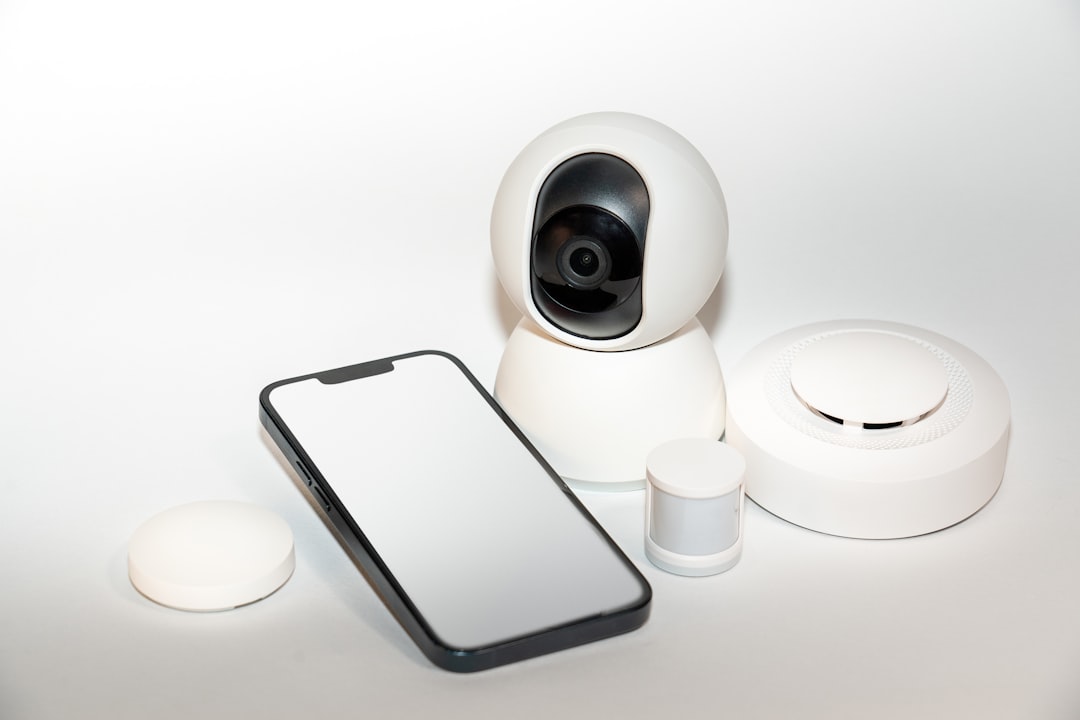
AI weapon detection software is designed to analyze video from security cameras and identify objects that may resemble firearms, knives, or other weapons. Unlike traditional camera systems, which simply record footage for someone to review later, AI-enabled systems can watch live video and flag suspicious objects in real time.
The software typically uses computer vision, a branch of artificial intelligence that allows machines to interpret images and video. After being trained on large datasets of objects, shapes, positions, and scenarios, the system learns to recognize patterns associated with weapons. When it detects something concerning, it can send an alert to school security staff, administrators, local law enforcement, or a centralized monitoring team.
This does not mean the software “understands” danger the way a human does. Instead, it identifies visual indicators and prompts people to investigate quickly. That distinction matters because the strongest systems combine AI speed with human judgment.
Why Speed Matters in School Safety
In an emergency, seconds matter. Traditional security camera systems are useful, but they are often passive. Someone must be watching the right screen at the right moment, recognize the threat, confirm what is happening, and communicate it to the right people. In a school with dozens or hundreds of cameras, that can be difficult, especially when staff members are busy managing daily operations.
AI weapon detection software helps by reducing the time between threat visibility and threat awareness. If a person carrying a visible weapon enters a parking lot, hallway, stadium, or lobby, the system may detect it before a staff member sees it. An alert can include a screenshot, camera location, timestamp, and other relevant details, allowing decision-makers to respond more quickly.
Faster alerts can support actions such as:
- Locking doors or securing specific areas of campus.
- Notifying school resource officers or trained security personnel.
- Sending emergency messages to administrators and staff.
- Guiding first responders toward the correct building or entrance.
- Reducing confusion by providing visual context early in the incident.
Even a few extra seconds of warning can help schools initiate lockdowns, move students away from risk, and coordinate a more informed response.
Making Existing Camera Systems Smarter
One reason AI weapon detection is gaining attention in education is that many schools already have cameras. Campuses often use video systems in entrances, hallways, cafeterias, parking lots, athletic facilities, and common areas. However, a camera is only as useful as the school’s ability to monitor and interpret what it sees.
AI software can often be layered onto existing camera infrastructure, depending on camera quality, placement, and network compatibility. Instead of replacing every device, schools may enhance current systems with intelligent monitoring. This can be more practical for districts with limited budgets, especially when compared with major physical redesigns or staffing increases.
The value is not just in recording an incident, but in transforming video from a passive archive into an active safety tool. A camera that once served mainly as evidence after the fact can become part of a real-time early warning system.
Supporting Staff Without Replacing Them
A common misconception is that AI safety tools replace human security teams. In reality, they are most effective when they support people, not when they operate in isolation. School personnel understand context: they know whether there is a theater performance using props, a law enforcement training event, a maintenance worker carrying tools, or a student behaving unusually.
AI can help by narrowing attention to moments that matter. Instead of asking a staff member to monitor dozens of feeds continuously, the software can highlight a potential issue. The human team then verifies the alert, communicates next steps, and decides whether to escalate.
This partnership can reduce fatigue. Human monitors can miss details, especially during long shifts or busy school mornings. AI systems do not get tired, distracted, or overwhelmed by the number of cameras. However, humans remain essential for interpreting alerts, avoiding overreaction, and managing communication with students, families, and emergency responders.
Reducing Response Confusion During Critical Moments
Emergencies are chaotic. Information may arrive from multiple sources: 911 calls, student texts, staff radios, social media posts, alarms, and camera footage. Some information may be accurate, while other details may be incomplete or wrong. AI weapon detection software can help create a clearer starting point by identifying exactly where a possible weapon appeared on camera.
For example, instead of a vague report such as “someone saw something near the school,” an alert may indicate that a suspected firearm was detected near the west gym entrance at 8:17 a.m. That kind of detail can make a major difference. It helps administrators decide which areas to secure first and helps first responders approach with better situational awareness.
When integrated with emergency communication platforms, the software can also help trigger predefined workflows. These might include notifying district safety leaders, alerting law enforcement, activating lockdown procedures, or sending instructions to designated staff members.
Improving Safety at Events and Open Campuses
School safety is not limited to the classroom day. Sporting events, graduations, concerts, board meetings, and community gatherings can bring large numbers of people onto campus. These events often create additional security challenges because visitors may enter through multiple access points, crowds can be dense, and staff may not recognize everyone present.
AI weapon detection software can be used in areas such as stadium gates, parking lots, auditorium entrances, and main walkways. It can help security staff monitor large areas while preserving a more natural flow of movement. This is especially important for schools that want to avoid creating an atmosphere of fear while still taking precautions seriously.
For districts with open campuses or multiple buildings, AI detection may help cover spaces that are difficult to monitor continuously. Outdoor cameras, entrance cameras, and common-area cameras can provide a broader layer of visibility across locations where incidents might otherwise go unnoticed until later.
Benefits for Rural, Suburban, and Urban Schools
Different schools face different security realities. Urban districts may manage large campuses, high foot traffic, and complex access points. Suburban schools may host frequent events and have sprawling facilities. Rural schools may have fewer security personnel and longer response times from emergency services.
AI weapon detection can support each environment in a different way. In a large school, it may help manage the scale of surveillance. In a rural setting, it may provide earlier warning when outside help is farther away. In a district with limited staff, it may give administrators an additional layer of awareness without requiring someone to watch cameras every minute of the day.
The technology is not a one-size-fits-all solution, but it can be adapted to the specific layout, risks, policies, and resources of each school community.
Key Advantages of AI Weapon Detection in Education
When implemented thoughtfully, AI weapon detection software can offer several important safety advantages:
- Earlier detection: The system may identify a visible weapon before a staff member or student reports it.
- Real-time alerts: Notifications can be sent instantly to the people responsible for safety decisions.
- Better camera use: Existing video systems become more proactive and useful.
- Improved situational awareness: Alerts can identify the location and timing of a possible threat.
- Scalable monitoring: Schools can monitor multiple buildings, entrances, or event spaces more efficiently.
- Support for emergency planning: Detection data can be integrated into response protocols and drills.
Important Limitations and Ethical Considerations
AI weapon detection software is promising, but it is not perfect. Schools should understand its limits before relying on it. The technology generally works best when weapons are visible and camera angles are clear. Poor lighting, crowded spaces, blocked views, low-quality cameras, or unusual object positions can make detection harder.
False positives are also possible. A phone, umbrella, tool, camera tripod, or toy may be misidentified as a weapon. False negatives can occur too, especially if a weapon is concealed or not visible long enough. That is why alerts should be verified by trained personnel and why schools should avoid treating automated detection as absolute proof of danger.
Privacy is another major issue. Schools must be transparent about how video data is used, who can access it, how long it is stored, and what safeguards are in place. Students, parents, and staff should know that the goal is safety, not constant discipline or intrusive surveillance. Clear policies help build trust and reduce concerns about misuse.
Schools should ask vendors important questions, including:
- What types of weapons can the system detect?
- How accurate is it in real school environments?
- How are alerts reviewed and verified?
- Does the system use facial recognition, and if so, can it be disabled?
- How is student and staff privacy protected?
- What happens to stored video and alert data?
Part of a Larger Safety Strategy
AI weapon detection should be viewed as one layer in a larger safety ecosystem. Technology alone cannot solve school violence, prevent every threat, or replace strong relationships within a school community. The most effective safety strategies combine prevention, preparedness, communication, and response.
That broader strategy may include:
- Secure entry procedures that manage visitor access.
- Threat assessment teams that identify and support students in crisis.
- Mental health resources that help address problems before they escalate.
- Staff training for emergency response and de-escalation.
- Anonymous reporting tools for students and families.
- Clear communication systems for lockdowns, evacuations, and reunification.
- Regular drills that are age-appropriate and trauma-informed.
AI can strengthen these efforts by improving detection and response, but it works best when paired with thoughtful policies and human care.
Building Trust With the School Community
Introducing AI security technology requires careful communication. Parents may welcome stronger protection, but they may also worry about privacy. Teachers may appreciate faster alerts, but they may want to know how the system affects daily routines. Students may feel safer, or they may feel watched if the purpose is not explained clearly.
Trust grows when school leaders are open about why the technology is being used and how it will be governed. Districts should explain that weapon detection is intended to identify serious threats, not monitor ordinary student behavior. They should also involve stakeholders in policy discussions, including administrators, teachers, parents, students, school safety experts, and community partners.
A transparent rollout might include public information sessions, written privacy guidelines, staff training, and regular reviews of system performance. Schools should also track outcomes: How many alerts are generated? How many are verified? Are response times improving? Are there patterns that suggest camera placement or procedures need adjustment?
The Future of AI Safety Tools in Schools
As AI technology improves, weapon detection systems are likely to become more accurate, faster, and easier to integrate with other safety platforms. Future tools may better distinguish between real threats and harmless objects, adapt to different lighting conditions, and provide more useful context to responders.
However, the future of school safety should not be defined only by smarter software. A truly safe school is not simply one with more cameras or faster alerts. It is a place where students feel connected, adults notice warning signs, families trust administrators, and emergency plans are practiced but not fear-driven.
AI weapon detection software is improving safety in education by giving schools earlier warnings, clearer information, and stronger response capabilities. Its greatest value is not in replacing people, but in helping people act faster and more confidently when the stakes are highest. Used responsibly, transparently, and as part of a broader safety plan, it can help schools protect what matters most: the students, educators, and communities inside them.