



Mobile service is increasingly moving away from small removable plastic cards and toward built-in digital activation. For Metro customers, an eSIM can provide the same cellular service as a physical SIM, but with fewer moving parts, faster setup, and better flexibility. While a physical SIM is still familiar and useful in some cases, Metro eSIM offers several practical advantages for people who want a cleaner, more secure, and more convenient way to connect their phone.
TLDR: A Metro eSIM lets you activate mobile service digitally without inserting a physical SIM card. It can be more convenient, more secure, and easier to manage, especially if you switch phones, travel, or use multiple phone numbers. Physical SIM cards still work well, but eSIM is often the better long-term option for compatible devices.
What Is a Metro eSIM?
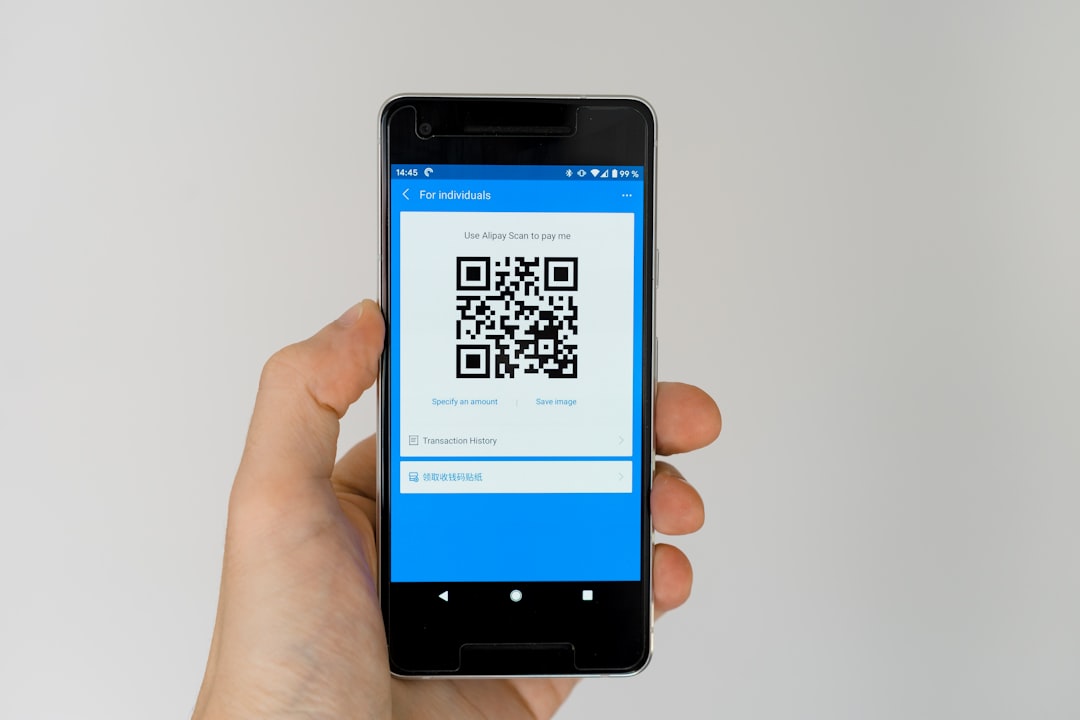
A Metro eSIM is a digital SIM that is built into a compatible smartphone or device. Instead of placing a physical SIM card into a tray, you activate your Metro service using digital information provided by Metro. This may involve scanning a QR code, using an app-based setup, or following activation instructions through your device settings.
The eSIM performs the same basic function as a physical SIM: it identifies your device on the mobile network and allows it to use your plan for calls, texts, and data. The difference is that the eSIM is embedded inside the device and can be programmed electronically.
This shift is important because smartphones are becoming more integrated, more compact, and more dependent on software-based management. As a result, eSIM technology is now common in many newer iPhone, Samsung Galaxy, Google Pixel, and other compatible devices.
1. Faster and More Convenient Activation
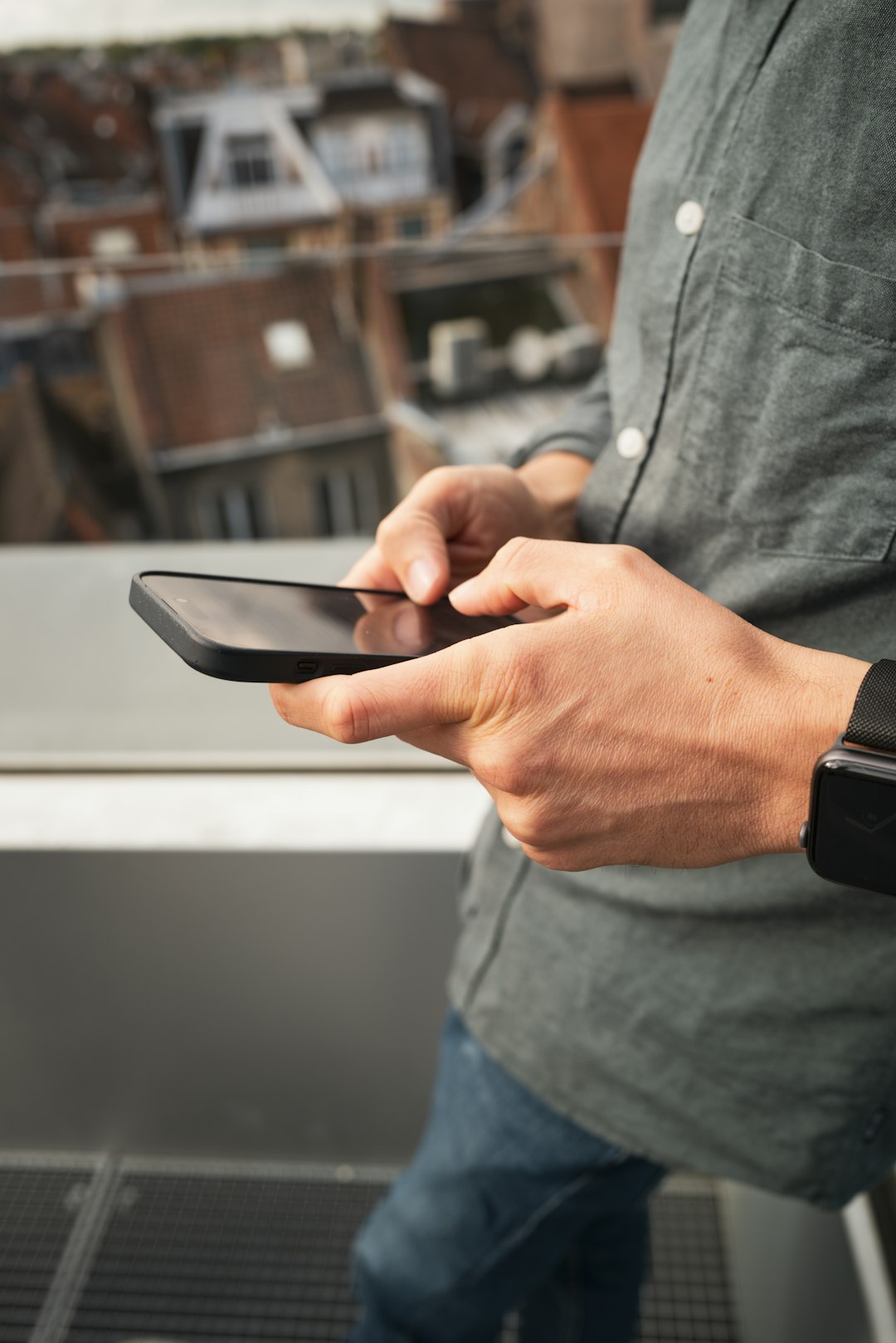
One of the strongest benefits of using a Metro eSIM is convenience. With a physical SIM, you may need to visit a store, wait for a SIM card to arrive by mail, or carefully insert the card into your phone. With eSIM, much of the process can be completed digitally.
For many users, this means less waiting and fewer steps. If your phone supports eSIM and your account is eligible, activation can often be completed without handling a card at all. This is especially helpful when setting up a new device, replacing a lost phone, or starting service quickly.
Physical SIM cards are small and easy to misplace. They can also be damaged if inserted incorrectly or handled roughly. An eSIM avoids these issues because there is no removable card to lose, bend, scratch, or break.
2. Better Security Compared With a Physical SIM
Security is another important reason to consider Metro eSIM. A physical SIM can be removed from a phone and placed into another device if someone gains access to it. While account protections still matter, the removable nature of physical SIM cards can create additional risk.
An eSIM is harder to physically steal because it is built into the phone. A person cannot simply pop out the SIM tray and take the card. If the phone is locked with a strong passcode, biometric security, and account protections, the eSIM adds another layer of practical security.
This does not mean eSIM is immune to all forms of fraud. Customers should still protect their Metro account, use strong passwords, avoid sharing verification codes, and contact support immediately if suspicious activity occurs. However, from a physical security perspective, eSIM reduces certain risks associated with removable SIM cards.
3. No SIM Card Tray Problems
Physical SIM cards require a SIM tray, a SIM eject tool, and careful placement. Over time, trays can become damaged, stuck, or lost. Some users also accidentally insert the SIM incorrectly or damage the tiny gold contacts on the card.
With Metro eSIM, these problems disappear. There is no tray to open, no tiny card to align, and no risk of losing the SIM while switching devices. For users who are not comfortable handling small phone parts, this can make setup less stressful.
Manufacturers also benefit from removing SIM trays because phones can be designed with fewer openings. Fewer openings may support better durability and water resistance, depending on the device design. While eSIM alone does not make a phone waterproof, it helps reduce reliance on removable external components.
4. Easier Use of Multiple Lines
Many modern phones support dual SIM functionality, often through one physical SIM and one eSIM, or multiple eSIM profiles. This can be useful for Metro customers who want to manage more than one number on the same device.
Common examples include:
- Personal and work numbers on one phone
- A separate number for side business or freelance work
- A temporary travel plan while keeping a main Metro number active
- Testing a new line without removing an existing SIM card
This flexibility can reduce the need to carry two phones. It also allows users to organize calls, messages, and data usage more efficiently. Depending on the phone and Metro’s current support policies, users may be able to store several eSIM profiles, though usually only one or two lines can be active at the same time.
5. More Practical for Travel
Travelers often appreciate eSIM because it makes mobile connectivity easier to manage. With a physical SIM, using another mobile plan while traveling may require removing your main SIM, storing it safely, and inserting a different SIM. This creates a real risk of losing the original card.
With eSIM-compatible devices, a user may be able to add a travel eSIM while keeping their Metro service available. This can be particularly useful for international travel, where local or regional data plans may be more affordable or convenient.
Even if Metro remains your primary service, having eSIM capability can make it easier to compare options and stay connected abroad. Before traveling, it is wise to check device unlocking status, Metro policies, roaming options, and compatibility with travel eSIM providers.
6. Cleaner Device Setup and Less Plastic Waste
Although a SIM card is small, physical SIM distribution involves plastic cards, packaging, shipping, and retail handling. Metro eSIM reduces the need for these materials because activation is digital. For individual users, the environmental impact may seem minor, but across millions of activations, the reduction in plastic and packaging can be meaningful.
Using eSIM also supports a cleaner setup experience. There is no SIM card pack to keep, no plastic holder to throw away, and no small card to store in a drawer. For users who prefer minimal clutter and digital account management, this is a straightforward benefit.
7. Helpful When Replacing or Upgrading Phones
Upgrading phones is a common moment when SIM issues appear. A physical SIM may be the wrong size, worn out, or incompatible with a newer device that no longer has a SIM tray. Some newer phones, especially certain U.S. iPhone models, rely entirely on eSIM.
Metro eSIM can simplify the transition when moving to a compatible new phone. Instead of transferring a small card, the user follows Metro’s activation or transfer process. In many cases, this is faster and cleaner than dealing with physical SIM replacement.
However, it is important to follow the correct steps. Users should avoid deleting an eSIM profile before confirming how to reactivate service. If there is any uncertainty, contacting Metro support or visiting an authorized store can prevent service interruptions.
8. Reduced Risk of SIM Wear and Damage
Physical SIM cards are generally reliable, but they are not indestructible. The metal contacts can become scratched or dirty, and the card can wear out after repeated insertion and removal. If a SIM card fails, the phone may lose network access until the SIM is replaced.
An eSIM does not have exposed contacts. Since it is built into the device, it is not handled in the same way and is less likely to suffer from ordinary physical wear. This makes eSIM a strong option for people who frequently switch service profiles or who simply want fewer hardware-related problems.
9. Strong Fit for Modern Smartphones
The mobile industry is clearly moving toward eSIM. Many flagship phones now encourage eSIM use, and some models have removed the physical SIM slot entirely in certain markets. Choosing Metro eSIM can help customers stay aligned with current device trends.
This matters because future phones may continue to reduce or eliminate physical SIM support. Users who become comfortable with eSIM now may find future upgrades easier. They will already understand digital activation, profile management, and the basic settings used to control cellular plans.
Possible Limitations to Consider
While Metro eSIM offers many benefits, it is not perfect for every situation. The most important limitation is device compatibility. Not every phone supports eSIM, and not every compatible device is eligible for every carrier feature. Before choosing eSIM, customers should confirm that their phone supports Metro eSIM activation.
Another consideration is that moving an eSIM between phones can be different from moving a physical SIM. With a physical SIM, you may be able to remove the card and insert it into another compatible unlocked phone. With eSIM, the transfer usually requires a digital process, carrier support, or account verification.
Customers who frequently move their SIM between multiple devices may still prefer a physical SIM for simplicity. Similarly, people who use older phones, basic phones, or devices without eSIM support will need to continue using a traditional SIM card.
Metro eSIM vs. Physical SIM: Key Differences
- Activation: eSIM is activated digitally; a physical SIM must be inserted into the phone.
- Security: eSIM cannot be physically removed like a plastic SIM card.
- Convenience: eSIM avoids shipping, store pickup, and SIM tray handling in many cases.
- Travel flexibility: eSIM can make adding temporary plans easier on compatible devices.
- Durability: eSIM has no exposed card contacts and cannot be bent or scratched.
- Compatibility: physical SIM works with more older devices; eSIM requires supported hardware.
Who Should Consider Using Metro eSIM?
Metro eSIM is a good choice for customers who own a compatible smartphone and want a more modern activation experience. It is especially useful for people who value security, dislike handling small SIM cards, travel regularly, or want to manage more than one line on the same device.
It is also a sensible option for users buying newer phones that are designed around eSIM. If your device supports eSIM and Metro can activate it properly, there is little reason to avoid the technology unless you specifically need the portability of a removable physical SIM.
Final Thoughts
Using Metro eSIM instead of a physical SIM offers clear benefits: faster setup, improved security, easier multi-line management, better travel flexibility, and fewer hardware problems. It also reflects where mobile technology is heading, as more devices and carriers adopt digital SIM activation as the standard.
A physical SIM remains useful for older devices and for users who regularly move service between phones. However, for many Metro customers with compatible smartphones, eSIM is the more practical and future-ready choice. Before switching, confirm compatibility, understand the activation process, and make sure your Metro account information is secure. With the right preparation, Metro eSIM can provide a reliable and efficient way to stay connected without relying on a removable plastic card.