


Modern data-driven organizations depend on reliable, repeatable, and scalable pipelines to transform raw information into actionable insights. As machine learning models, real-time analytics, and data products grow in complexity, managing these interconnected processes manually becomes unsustainable. This is where AI workflow orchestration tools such as Apache Airflow play a critical role. They provide a structured, observable, and automated way to design, schedule, and monitor pipelines across distributed systems.
TLDR: AI workflow orchestration tools like Apache Airflow help organizations design, schedule, monitor, and scale complex data and machine learning pipelines. They replace fragile scripts and manual coordination with structured workflows defined as code. By improving reliability, visibility, and scalability, orchestration platforms reduce operational risk and accelerate innovation. For teams managing growing AI workloads, orchestration is no longer optional—it is foundational.
The Growing Complexity of AI and Data Pipelines
Data pipelines rarely consist of a single task. A typical AI workflow may include:
- Data ingestion from APIs, databases, or streaming platforms
- Data validation and cleaning
- Feature engineering
- Model training and evaluation
- Model deployment
- Monitoring and reporting
Each step depends on the successful completion of prior steps. As organizations scale, these processes must handle:
- Large volumes of structured and unstructured data
- Distributed computing environments
- Cloud and hybrid infrastructure
- Strict data quality and compliance requirements
Without orchestration, teams often rely on cron jobs, shell scripts, or manual triggers. This approach leads to brittle systems, limited visibility, and operational silos. Failures go unnoticed, dependencies break, and traceability becomes difficult.
AI workflow orchestration introduces formal structure to these processes, transforming them into manageable, observable systems.
What Is Workflow Orchestration?
Workflow orchestration is the automated coordination of tasks in a predefined sequence, governed by dependencies and execution logic. Instead of running scripts in isolation, tasks are organized into pipelines described as Directed Acyclic Graphs (DAGs).

In this structure:
- Each node represents a task.
- Each edge represents a dependency.
- The workflow ensures tasks run only when prerequisite conditions are satisfied.
Apache Airflow, one of the most widely adopted orchestration tools, allows these DAGs to be defined in Python code. This “workflow as code” paradigm provides flexibility, version control, and reproducibility—key requirements in enterprise AI systems.
Why Apache Airflow Became the Industry Standard
Apache Airflow has earned widespread adoption because it combines flexibility with operational rigor. Originally developed at Airbnb, it is now a top-level Apache Software Foundation project.
Key characteristics include:
- Dynamic pipeline generation using Python
- Extensive operator ecosystem for databases, cloud platforms, and machine learning frameworks
- Scalable execution using distributed executors
- Robust scheduling capabilities
- Comprehensive monitoring and logging
Unlike traditional ETL tools with rigid workflows, Airflow allows teams to programmatically generate tasks, branch execution paths, and handle complex logic. This makes it particularly suitable for AI pipelines where experimentation and iterative development are common.
Core Components of Airflow
Understanding Airflow’s architecture clarifies why it is so effective for AI workloads:
- Scheduler: Determines when tasks should run and enqueues them.
- Executor: Executes tasks using local, Celery, or Kubernetes backends.
- Web UI: Provides visibility into task status, logs, and execution history.
- Metadata Database: Stores state, configuration, and execution details.
This separation of concerns ensures high reliability and scalability. For example, organizations running large-scale model training jobs can distribute execution across Kubernetes clusters while maintaining centralized monitoring.
Managing AI and Machine Learning Pipelines
AI workflows differ from traditional ETL pipelines in several important ways:
- They often involve compute-intensive jobs such as GPU-based training.
- They require experimentation and hyperparameter tuning.
- They must integrate with model registries and deployment endpoints.
Airflow supports these requirements through:
- Custom operators for ML frameworks.
- Integration with containerized workloads.
- Task parameterization for experiments.
- Conditional branching for model evaluation thresholds.
For example, a production ML pipeline might:
- Pull fresh training data nightly.
- Validate data quality metrics.
- Trigger model retraining if performance degrades.
- Deploy the updated model if validation metrics improve.
- Notify stakeholders automatically.
This entire process can be represented as a single DAG, ensuring traceability and repeatability.
Observability and Governance
In enterprise environments, visibility is non-negotiable. AI models influence business decisions, financial forecasts, and customer experiences. Pipeline failures or silent data corruption can lead to material consequences.
Airflow enhances governance by providing:
- Centralized logging for every task.
- Retry mechanisms to handle transient failures.
- Alerts and notifications for operational awareness.
- Historical audit trails for compliance and debugging.
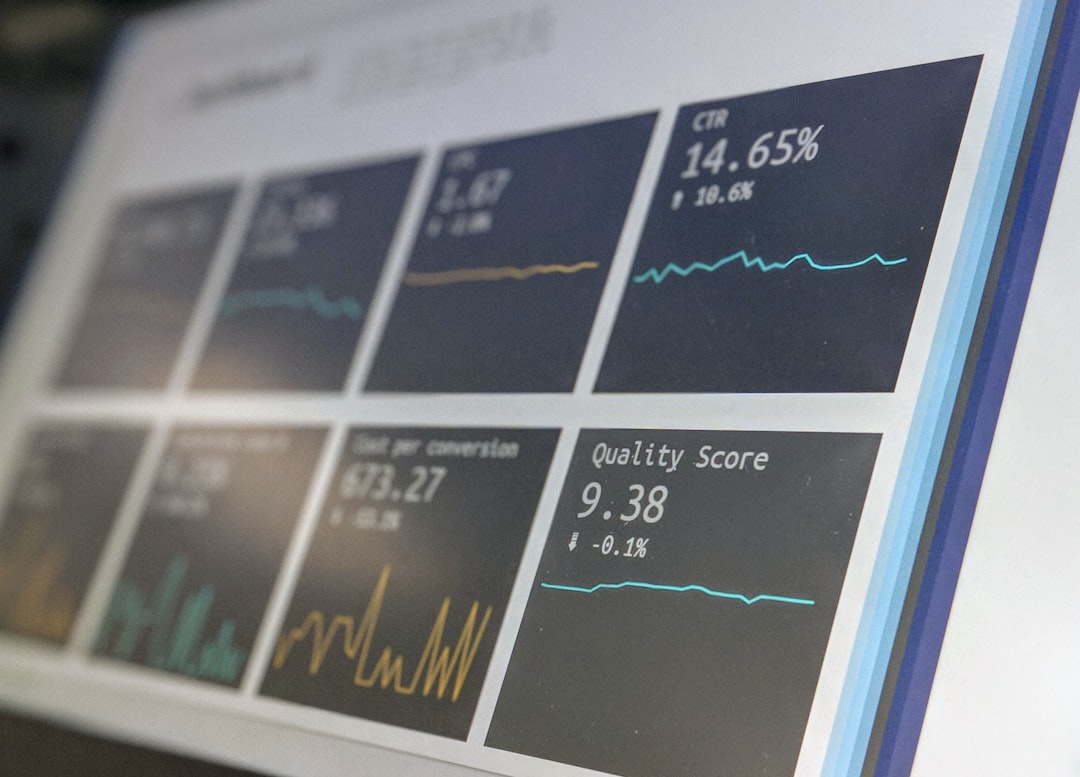
This structured monitoring framework reduces operational risk and strengthens accountability across teams.
Scalability in Cloud-Native Environments
As AI adoption grows, workloads scale unpredictably. Training pipelines may suddenly expand due to new datasets or business requirements.
Airflow supports scalability through:
- Kubernetes Executor: Launches each task in a separate pod.
- Horizontal scaling: Adds workers dynamically.
- Cloud integrations: Native compatibility with major cloud providers.
This flexibility allows teams to manage workloads ranging from simple nightly batch jobs to real-time AI operations that process millions of records per hour.
Crucially, orchestration tools decouple pipeline logic from infrastructure. Teams define what should happen, while the executor determines where and how tasks run.
Workflow as Code: A Strategic Advantage
One of Airflow’s defining features is the ability to define workflows in Python. This approach delivers several advantages:
- Version control integration
- Code review and testing practices
- Reproducibility across environments
- Programmatic flexibility
In regulated industries, such traceability is essential. Pipelines that influence credit scoring, fraud detection, or healthcare decisions must be auditable. Workflow as code ensures that every structural change is documented and reviewable.
Common Challenges and Considerations
Despite its strengths, orchestration with Airflow requires thoughtful implementation.
Operational complexity: Managing distributed executors and metadata databases demands experienced DevOps practices.
Performance tuning: Large DAGs with thousands of tasks can strain schedulers without careful configuration.
Dependency management: External system outages may cascade through pipelines.
Organizations mitigate these risks by:
- Implementing robust monitoring and autoscaling.
- Breaking pipelines into modular, reusable components.
- Establishing clear operational ownership.
Additionally, newer orchestration platforms have emerged offering modern architectural improvements. However, Airflow remains a benchmark standard due to its maturity, ecosystem, and community support.
Security and Compliance Considerations
AI pipelines frequently process sensitive data. Orchestration platforms must support secure credential management and role-based access controls.
Airflow addresses these needs through:
- Integration with secret backends.
- Fine-grained user permissions.
- Encryption of connections.
These capabilities are essential in industries subject to regulatory oversight, such as finance, healthcare, and telecommunications.
The Strategic Importance of Orchestration
Workflow orchestration is not merely an operational convenience. It is a strategic enabler.
By standardizing pipeline execution, organizations can:
- Accelerate model deployment cycles.
- Reduce downtime and manual interventions.
- Improve collaboration between data engineering and data science teams.
- Ensure consistency across development, staging, and production environments.
Without orchestration, growth often leads to fragmentation. Different teams build isolated workflows, creating redundant systems and increasing technical debt. A centralized orchestration layer provides cohesion and governance.
Conclusion
AI workflow orchestration tools like Apache Airflow are foundational infrastructure for modern data organizations. They transform fragmented scripts into coherent, observable, and scalable systems. By defining workflows as code, managing dependencies explicitly, and centralizing monitoring, they reduce operational risk and enhance accountability.
As AI systems continue to expand in scope and influence, the importance of disciplined pipeline management will only increase. Organizations that embrace orchestration position themselves for scalable innovation, stronger governance, and sustained operational excellence. In a landscape defined by complexity, structured orchestration is the mechanism that restores clarity and control.