



As organizations increasingly integrate large language models into products and internal workflows, managing prompts has become a critical engineering discipline. What once seemed like simple text inputs have evolved into complex, versioned assets that directly influence output quality, cost, safety, and user experience. This shift has led to the rise of prompt engineering tools such as PromptLayer and similar platforms that help teams monitor, test, and optimize their interactions with AI models at scale.
TLDR: Prompt engineering tools like PromptLayer help teams track, test, version, and optimize AI prompts in production environments. They provide logging, evaluation, collaboration, and experimentation capabilities that transform prompts into manageable engineering assets. These platforms improve reliability, reduce costs, and support continuous improvement of AI-driven systems. As AI adoption grows, structured prompt management is becoming essential rather than optional.
The Rise of Prompt Engineering as a Discipline
In the early days of generative AI, writing prompts was often treated as an informal craft. Developers manually experimented with inputs, adjusted wording, and relied on intuition to improve outputs. However, as AI-powered features became embedded in customer-facing applications, this manual approach quickly showed limitations.
Modern AI applications require:
- Consistency across different user sessions and environments
- Repeatability for testing and debugging
- Observability into model behavior and outputs
- Version control for prompt updates
- Performance monitoring for cost and latency optimization
Prompt engineering tools emerged to address these needs. Instead of treating prompts as static strings embedded in code, these platforms treat them as dynamic, trackable entities that can be improved over time.
What Are Prompt Engineering Tools?
Prompt engineering tools are software platforms designed to manage, monitor, test, and optimize prompts used with large language models (LLMs). Tools like PromptLayer act as an intermediary layer between applications and AI APIs, logging every request and response while providing a structured environment for experimentation.
Core capabilities often include:
- Prompt logging and history tracking
- Version management
- A/B testing for different prompt variants
- Evaluation frameworks for output quality
- Collaboration tools for teams
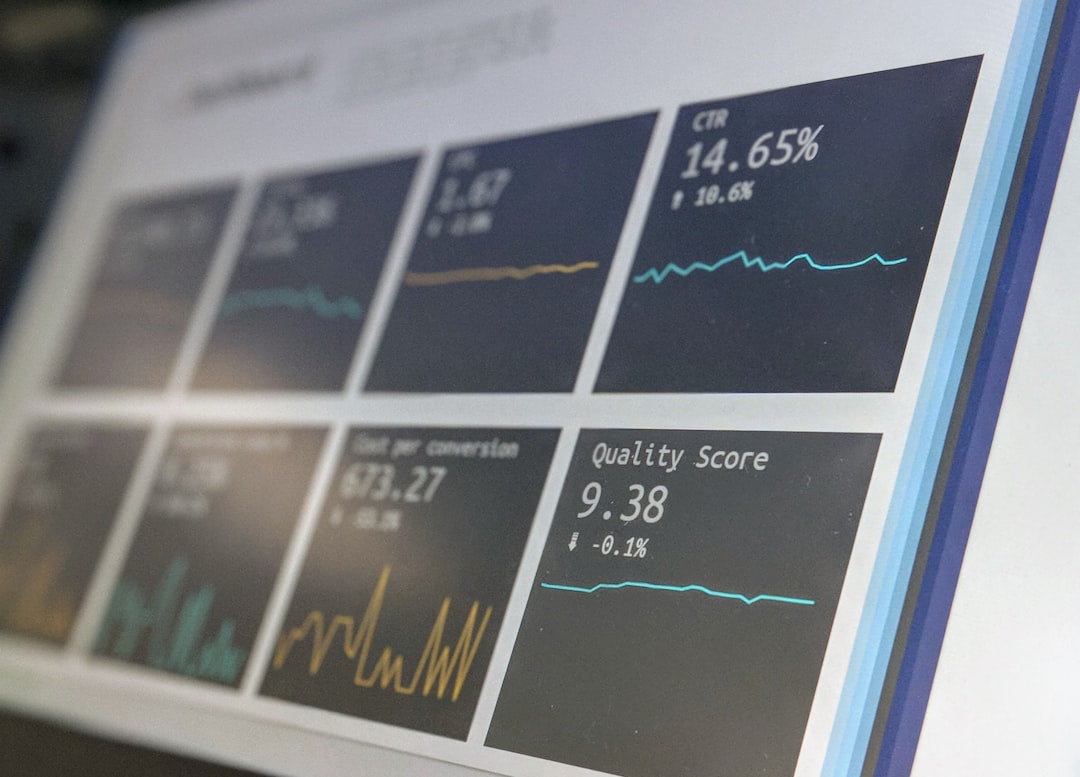
- Analytics dashboards for usage and cost insights
By consolidating these functions into a single interface, these tools help teams shift from ad hoc experimentation to structured optimization workflows.
Key Features and Functional Benefits
1. Prompt Versioning
Much like source code, prompts evolve. A small wording change can significantly affect output tone, accuracy, or structure. Prompt engineering tools maintain detailed version histories, allowing teams to:
- Compare performance across versions
- Revert to earlier prompt iterations
- Document changes and rationales
- Maintain audit trails for compliance purposes
This is especially valuable in production environments where unexpected output changes can affect users or business operations.
2. Experimentation and A/B Testing
Determining which prompt performs best requires experimentation. Prompt engineering tools allow teams to run multiple variations simultaneously, measure results, and statistically evaluate performance.
Teams can test:
- Different system instructions
- Tone and formatting variations
- Temperature and parameter adjustments
- Structured output formats such as JSON vs. text
This data-driven approach removes guesswork and replaces it with measurable optimization cycles.
3. Real-Time Logging and Monitoring
Observability is essential in AI operations. Platforms like PromptLayer capture each prompt request and response, along with metadata such as latency, token usage, and cost.
This enables teams to:
- Detect anomalies in model responses
- Identify cost spikes
- Trace errors to specific inputs
- Analyze user interaction patterns
Such insights transform AI systems from black boxes into transparent, inspectable components.

4. Structured Evaluations and Feedback Loops
Beyond raw logging, advanced tools include evaluation capabilities that measure:
- Accuracy
- Relevance
- Completeness
- Tone alignment
- Safety compliance
Evaluations may be manual (human review scoring) or automated (model-based evaluators). Over time, this builds datasets that inform prompt improvements and fine-tuning strategies.
Why Managing Prompts Is Critical for Production Systems
In small experiments, prompt quality might only affect output aesthetics. In production systems, the stakes are significantly higher. Consider applications in:
- Customer support automation
- Legal document drafting
- Financial report generation
- Healthcare information systems
- Code generation platforms
A poorly managed prompt update could:
- Change legal phrasing in contracts
- Introduce factual inaccuracies
- Increase hallucination rates
- Violate regulatory or brand guidelines
- Multiply usage costs due to inefficient formatting
Prompt management tools mitigate these risks by formalizing change management processes and enabling controlled rollouts.
Collaboration Across Teams
AI implementation is rarely limited to a single role. Successful systems often require collaboration between:
- Software engineers
- Machine learning engineers
- Product managers
- UX designers
- Legal and compliance teams
Prompt engineering tools centralize prompt assets in a shared workspace, allowing comments, documentation, and approvals. This reduces siloed experimentation and encourages cross-functional alignment.
For example, a product manager might propose tone adjustments, a developer might implement parameter changes, and a compliance officer might review output samples for regulatory alignment. Centralized tooling ensures transparency throughout this process.
Cost Optimization and Performance Efficiency
Large language models operate on token-based pricing structures. Seemingly minor changes in prompt length or structure can significantly increase usage costs. Prompt engineering tools provide detailed token analytics and cost tracking to help teams:
- Reduce unnecessary verbosity
- Minimize redundant system instructions
- Compare model alternatives
- Optimize temperature and sampling for efficiency
In high-traffic applications, even small optimizations can result in substantial savings.
The Future of Prompt Management
Prompt engineering is evolving rapidly. Future tools are likely to incorporate:
- Automated prompt optimization using reinforcement learning techniques
- Integrated fine-tuning pipelines
- Cross-model comparison tools
- Advanced safety testing frameworks
- Policy enforcement automation
As AI systems become more autonomous, structured governance around prompts will become even more essential. Prompts represent the human intent layer guiding AI behavior; controlling this layer responsibly is foundational to safe deployment.

Challenges and Considerations
While powerful, prompt engineering tools also introduce considerations:
- Integration complexity: Teams must connect tools with existing infrastructure.
- Data privacy: Logged prompts may contain sensitive information.
- Evaluation bias: Automated scoring systems may reflect subjective assumptions.
- Over-optimization: Excessive tuning for metrics may reduce real-world usability.
Successful deployment requires balancing performance metrics with user experience and ethical standards.
Conclusion
Prompt engineering tools like PromptLayer mark a shift from experimental AI usage to disciplined AI engineering. By offering version control, observability, structured testing, and collaborative workflows, these platforms treat prompts as first-class assets in the development lifecycle. As AI integration deepens across industries, the ability to systematically manage and refine prompts will become a competitive advantage.
Organizations that invest in structured prompt management today are positioning themselves for scalable, reliable, and cost-effective AI systems in the future.
Frequently Asked Questions (FAQ)
1. What is a prompt engineering tool?
A prompt engineering tool is a platform that helps developers and organizations manage, version, test, and monitor prompts used with large language models. It transforms prompt writing from manual experimentation into a structured engineering workflow.
2. Why can’t teams just store prompts in source code?
While prompts can be stored in source code, this approach lacks specialized logging, evaluation, A/B testing, and analytics capabilities. Dedicated tools provide visibility into performance, cost, and output quality that simple code storage cannot.
3. How does PromptLayer differ from general AI dashboards?
Platforms like PromptLayer act as an intermediary layer that logs every API call and ties it to specific prompt versions. They focus specifically on prompt lifecycle management rather than general infrastructure monitoring.
4. Are prompt engineering tools only for large enterprises?
No. While enterprises benefit significantly, startups and small teams also gain value from structured experimentation and cost monitoring, especially when scaling AI-driven features quickly.
5. Do these tools replace fine-tuning?
Not necessarily. Prompt optimization and fine-tuning serve different purposes. Prompt engineering tools help refine instructions and inputs, while fine-tuning modifies the underlying model. Many organizations use both approaches together.
6. Is prompt engineering likely to remain important as models improve?
Yes. Even as models become more capable, prompts will continue to define task scope, tone, structure, and constraints. Managing them systematically will remain essential for ensuring reliability, safety, and business alignment.