


There are few things more alarming for a MacBook Pro owner than opening the lid after a routine macOS update and being greeted by a strange orange-tinted screen. Whether it looks like a warm filter has been permanently applied or the entire display is glowing amber, this issue can be confusing and frustrating—especially if your Mac was working perfectly fine just minutes before the update.
TLDR: An orange screen on a MacBook Pro after an update is usually caused by display settings like Night Shift or True Tone, color profile changes, accessibility filters, or GPU-related software glitches. In rare cases, it may signal hardware issues triggered during the update process. Most problems can be resolved with simple steps such as resetting display settings, recalibrating color profiles, resetting NVRAM/SMC, or reinstalling macOS. Systematic troubleshooting will help you pinpoint the exact cause and fix it quickly.
Why Does the Screen Turn Orange After an Update?
macOS updates often modify system-level settings, including display calibration, color profiles, and graphics drivers. While these changes are designed to enhance performance and visual accuracy, they can sometimes misconfigure certain features.
Here are the most common causes behind the issue:
- Night Shift automatically enabled
- True Tone adjustments behaving incorrectly
- Color profile corruption
- Accessibility color filters activated
- Graphics driver glitches
- Hardware stress revealed during update
Let’s break down each cause and discuss how to fix it.
1. Night Shift Is Turned On
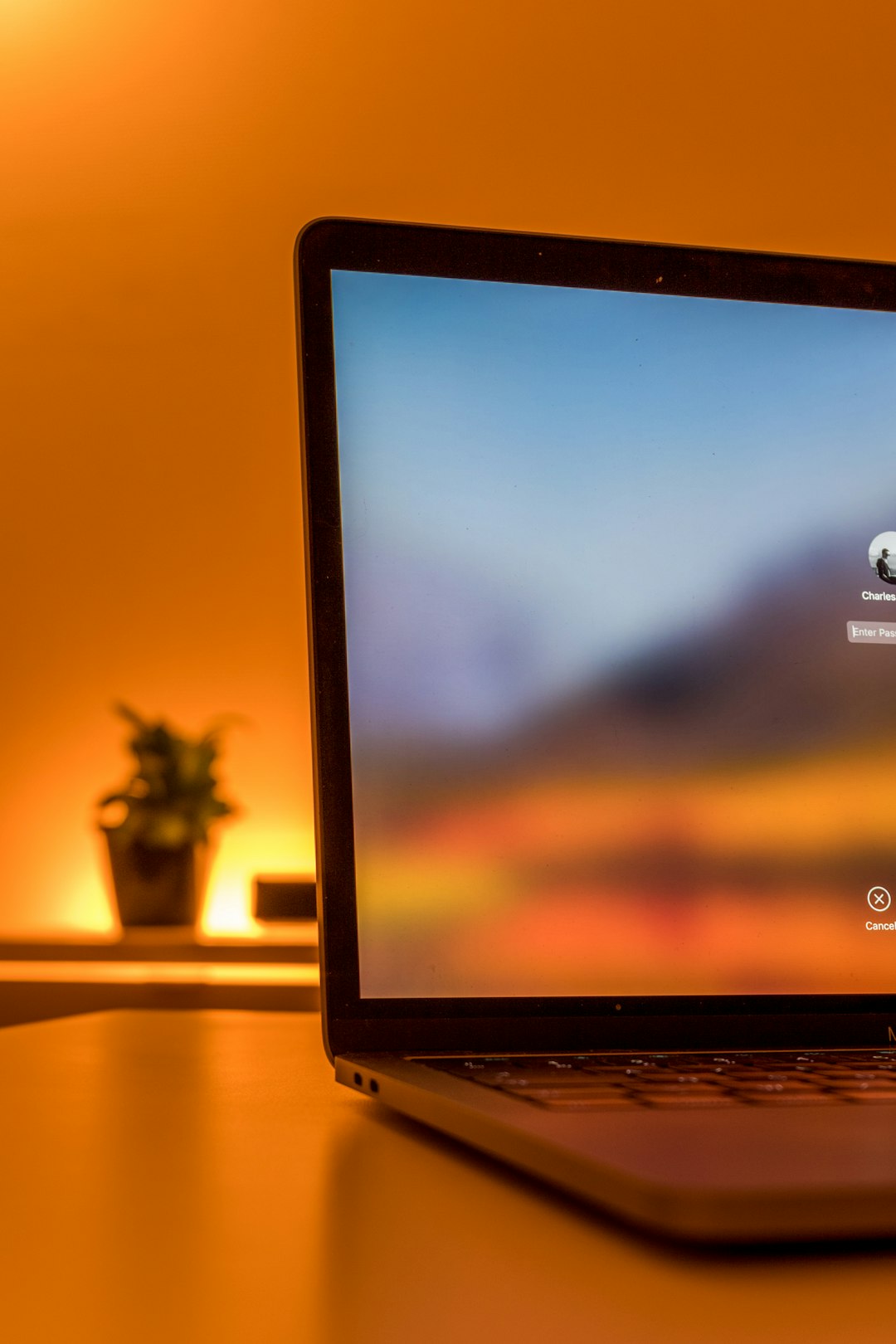
Night Shift reduces blue light by shifting your display toward warmer tones. After some macOS updates, Night Shift may automatically activate or reset its schedule.
How to Check and Disable Night Shift
- Open System Settings (or System Preferences on older macOS).
- Select Displays.
- Click on the Night Shift tab.
- Turn it Off or adjust the warmth slider.
If your screen immediately returns to normal, the issue was simply a setting change rather than a deeper problem.
2. True Tone Malfunction
True Tone automatically adjusts your screen’s color temperature based on ambient lighting. Occasionally, system updates can cause it to overcompensate, resulting in excessive warmth.
Fix:
- Go to System Settings > Displays
- Toggle True Tone off
If the orange tint disappears, you can re-enable True Tone to see if it stabilizes.
3. Corrupted or Changed Color Profile
Every Mac display uses a color profile to render accurate colors. Updates sometimes reset or assign a different display profile, causing overly warm tones.
How to Adjust the Color Profile
- Open System Settings > Displays.
- Select the Color tab.
- Choose a different profile (e.g., “Color LCD”).
If switching profiles fixes the issue, the previous one may have been corrupted.
For more precision, you can click Calibrate and follow the guided instructions to create a custom color profile.
4. Accessibility Color Filters Enabled
Accessibility settings can apply color overlays to assist users with visual impairments. Occasionally, these filters get switched on after updates.
Check These Settings:
- Go to System Settings > Accessibility.
- Click Display.
- Look at Color Filters.
- Turn the feature Off.
If a filter such as “Color Tint” is enabled, it can give the whole screen an orange or sepia tone.
5. Graphics Driver Glitches
macOS updates often include new GPU drivers. If the installation didn’t complete properly, visual distortions—including orange or red overlays—can occur.
Quick Fixes to Try:
- Restart your MacBook Pro
- Boot into Safe Mode
- Reset NVRAM/PRAM
How to Reset NVRAM (Intel Macs)
- Shut down your Mac.
- Power it on while holding Option + Command + P + R.
- Hold for about 20 seconds.
For Apple Silicon Macs, simply shutting down and restarting usually resets display-related settings automatically.
6. SMC Reset (Intel Models Only)
The System Management Controller (SMC) handles low-level hardware functions, including display behavior and power management.
How to Reset SMC:
- Shut down your Mac.
- Press and hold Shift + Control + Option and the Power button for 10 seconds.
- Release all keys and power on normally.
This often resolves unusual display anomalies caused by firmware confusion.
Comparison of Common Reset Methods
| Method | Best For | Difficulty | Data Loss Risk |
|---|---|---|---|
| Restart | Minor software glitch | Very Easy | None |
| Disable Night Shift / True Tone | Color warmth issues | Very Easy | None |
| Change Color Profile | Incorrect calibration | Easy | None |
| Reset NVRAM | Display configuration errors | Moderate | Low |
| Reset SMC | Hardware-level irregularities | Moderate | Low |
| Reinstall macOS | Driver or system corruption | Advanced | Very Low (if done properly) |
7. Reinstalling macOS
If none of the simpler fixes work, the issue may stem from a corrupted installation.
Steps to Reinstall macOS:
- Shut down your Mac.
- Enter macOS Recovery Mode:
- Intel: Hold Command + R during startup.
- Apple Silicon: Hold the Power button until Options appear.
- Select Reinstall macOS.
This process reinstalls the operating system without deleting your personal files.
When It’s Actually a Hardware Problem
Although most cases are software-related, a persistent orange screen can sometimes indicate hardware trouble, such as:
- Failing GPU
- Display panel damage
- Loose display cable
- Backlight degradation
Signs It’s Hardware-Related:
- The tint appears even before macOS loads
- External monitor displays normal colors
- Artifacts or flickering accompany the orange hue
If you suspect hardware failure, it’s best to run Apple Diagnostics by holding the D key at startup (Intel Macs).
Preventing Orange Screen Issues in Future Updates
While not every display issue is avoidable, you can reduce the risk:
- Back up your system before updating.
- Install updates on a stable power connection.
- Avoid interrupting the update process.
- Wait a few days before installing major releases to monitor reported bugs.
Staying cautious with updates ensures you’re not caught off guard by temporary display glitches.
Final Thoughts
An orange screen on your MacBook Pro after an update can be unsettling—but in most cases, it’s not a catastrophe. More often than not, the culprit is a software setting like Night Shift, True Tone, or an altered color profile. Even slightly more complex problems, such as NVRAM corruption or driver inconsistencies, are typically fixable without professional repair.
The key is to approach troubleshooting methodically. Start with the simplest display settings and move gradually toward advanced solutions like resets or reinstalling macOS. Only after ruling out software causes should hardware be suspected.
With a bit of patience, your MacBook Pro’s display can return to its crisp, accurate colors—just the way it was before the update.