



Effective communication between childcare providers and parents is the foundation of trust, safety, and developmental success. In today’s fast-paced and digitally connected world, relying on paper notes or brief pick-up conversations is no longer sufficient. Childcare management apps have emerged as structured, secure, and reliable tools that significantly improve how information is shared, documented, and understood. When implemented correctly, these platforms strengthen parent relationships, streamline staff workflows, and enhance the overall quality of care.
TLDR: Childcare management apps improve communication by providing secure, real-time updates, structured documentation, and centralized messaging tools. They enhance transparency, reduce misunderstandings, and support regulatory compliance. Leading platforms such as Brightwheel, HiMama, Procare, and Kangarootime offer distinct strengths depending on program size and needs. Choosing the right app requires evaluating security, usability, reporting features, and integration capabilities.
The Communication Challenges Childcare Centers Face
Childcare providers operate in dynamic environments where accurate communication is critical. Staff must share information about meals, naps, behavior, medication, developmental milestones, billing updates, and emergency protocols — often within tight timeframes. Traditional methods such as printed daily sheets, physical sign-in logs, and verbal updates present several challenges:
- Inconsistent documentation that may lead to gaps in information.
- Limited real-time visibility for working parents.
- Risk of lost paperwork or data errors.
- Difficulty tracking regulatory compliance and incident reports.
- Communication bottlenecks during peak hours.
As parent expectations evolve, childcare providers are expected to deliver professional, timely, and secure updates. Management apps address these concerns with structured digital systems.
Core Communication Features of Childcare Management Apps
Modern childcare management software integrates multiple communication channels within one secure ecosystem. These platforms often include:
- Real-time messaging: Direct chat between staff and parents.
- Digital daily reports: Meals, naps, diapering, activities, and notes.
- Photo and video sharing: Secure media updates of children’s activities.
- Push notifications: Immediate alerts about announcements or emergencies.
- Attendance tracking: Automated check-in and check-out records.
- Billing and invoicing communication: Transparent financial updates.
- Incident and compliance documentation: Digital signatures and audit trails.
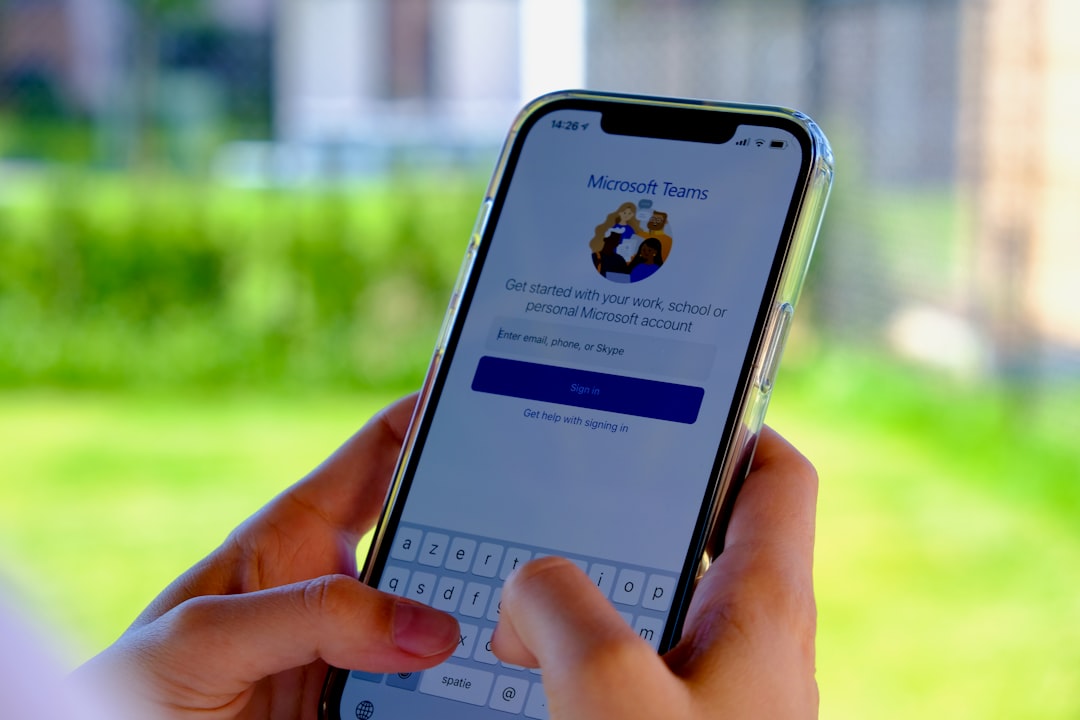
By consolidating these features, centers reduce reliance on fragmented communication methods. Accuracy improves, administrative time decreases, and parents feel more informed about their child’s day.
Benefits for Parents
Parents increasingly expect transparency and immediate access to information. Childcare apps address emotional and practical concerns simultaneously.
1. Peace of Mind
Real-time updates alleviate anxiety, especially for parents leaving infants or toddlers in care for the first time. Seeing photos and receiving status updates reinforces trust.
2. Greater Involvement
Digital activity reports allow parents to continue discussions at home. If a child explored sensory play or learned a new word, parents can reinforce those experiences.
3. Accessible Records
Medical information, attendance history, and billing documents remain securely stored and easily retrievable.
4. Transparent Billing Communication
Automated invoices and payment reminders reduce confusion and prevent financial misunderstandings.
Benefits for Childcare Providers
While parent satisfaction is critical, childcare management apps also directly impact operational efficiency.
Improved Staff Accountability
Digital logs timestamp entries, creating clear accountability for documentation and supervision activities.
Regulatory Compliance Support
Many apps include built-in compliance tools aligned with licensing requirements, simplifying record audits.
Time Savings
Automated processes reduce redundant paperwork and manual data entry.
Professional Brand Image
Using a modern communication platform presents a structured and trustworthy image to prospective families.
Leading Childcare Management Apps for Communication
While many options exist, several platforms consistently stand out for their communication capabilities.
1. Brightwheel
A widely adopted childcare management app, Brightwheel offers real-time messaging, activity tracking, and billing integration. It is known for its intuitive interface and broad feature set suitable for small to mid-sized centers.
2. HiMama
Focused heavily on documentation and developmental tracking, HiMama supports detailed daily reports and learning frameworks. It is particularly valued by programs emphasizing curriculum communication.
3. Procare
Designed for larger centers, Procare integrates communication tools with attendance tracking, tuition management, and compliance features. It is typically favored by multi-site operations.
4. Kangarootime
Kangarootime blends communication, classroom management, and financial oversight into one platform. Its ease of use and automation features appeal to growing childcare businesses.

Comparison Chart of Leading Communication-Focused Childcare Apps
| Feature | Brightwheel | HiMama | Procare | Kangarootime |
|---|---|---|---|---|
| Real-Time Messaging | Yes | Yes | Yes | Yes |
| Photo and Video Sharing | Yes | Yes | Limited | Yes |
| Billing Integration | Strong | Moderate | Advanced | Advanced |
| Curriculum Tracking | Basic | Advanced | Moderate | Moderate |
| Multi-Site Management | Moderate | Limited | Strong | Strong |
| Best For | Small to mid centers | Learning focused programs | Large operations | Growing businesses |
Security and Privacy Considerations
Because childcare platforms handle sensitive data — including child photographs, medical records, and personal contact information — security must be a decision-making priority.
When evaluating apps, administrators should examine:
- Data encryption standards (both in transit and at rest).
- Role-based access controls to limit sensitive data exposure.
- Compliance with local privacy laws such as GDPR or regional data regulations.
- Secure cloud storage infrastructure.
- Clear data retention and deletion policies.
Reputable vendors provide transparency in their security documentation and regularly update their systems to address new threats.
Implementation Best Practices
Adopting a childcare management app requires more than purchasing software. Successful implementation depends on structured rollout processes.
Staff Training
Ensure all team members understand daily use protocols, communication standards, and privacy expectations.
Parent Onboarding
Provide simple guides and clear explanations about what types of updates parents should expect and how frequently.
Communication Policies
Define rules for appropriate messaging hours, response times, and emergency communication procedures.
Gradual Integration
Start with core features such as attendance tracking and daily reporting before expanding into billing and advanced analytics.

Common Mistakes to Avoid
Even well-designed apps can fail to improve communication if deployed improperly. Avoid these frequent mistakes:
- Over-communicating trivial updates, which may overwhelm parents.
- Failing to standardize report formats, leading to inconsistent documentation.
- Neglecting staff accountability for incomplete entries.
- Overlooking parent feedback during early adoption stages.
Continuous evaluation and refinement ensure that the platform genuinely enhances relationships rather than adding digital noise.
The Long-Term Impact on Parent Trust
Trust is built through consistency and transparency. Childcare management apps create time-stamped communication trails that demonstrate professional responsibility. Parents who feel informed are less likely to misinterpret routine events and more likely to develop long-term loyalty to the center.
Furthermore, digital documentation protects providers in cases of disputes by maintaining verifiable records. This dual function — strengthening relationships while mitigating risk — makes communication technology a strategic investment rather than a mere convenience.
Conclusion
Childcare management apps have become essential tools for centers committed to professional communication standards. By enabling real-time updates, secure messaging, structured documentation, and regulatory compliance support, they bridge the gap between providers and parents. Selecting the right platform requires careful consideration of operational size, feature priorities, and security safeguards.
When thoughtfully implemented, these apps do more than send updates — they foster transparency, accountability, and collaborative engagement. In an environment where safety and trust are paramount, effective digital communication is not optional; it is a cornerstone of high-quality childcare management.